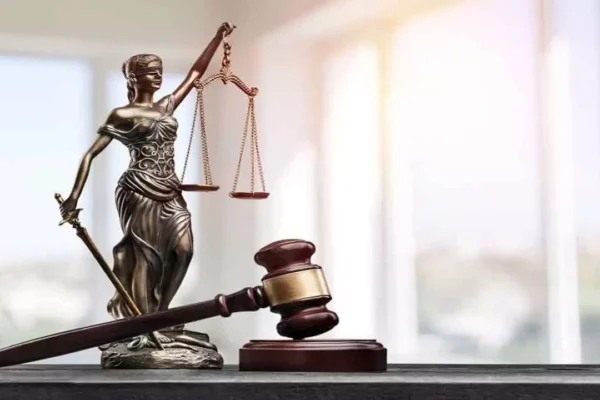
ICC & War Crimes: Pursuing Global Justice Beyond Borders

Introduction:  In the aftermath of war, conflict, or genocide, the cry for justice echoes across nations. War crimes, crimes against humanity, and genocide are not merely tragedies — they are serious violations of international law. To uphold justice and human dignity, the global community created a legal body dedicated to ending impunity: the International Criminal…
Read More

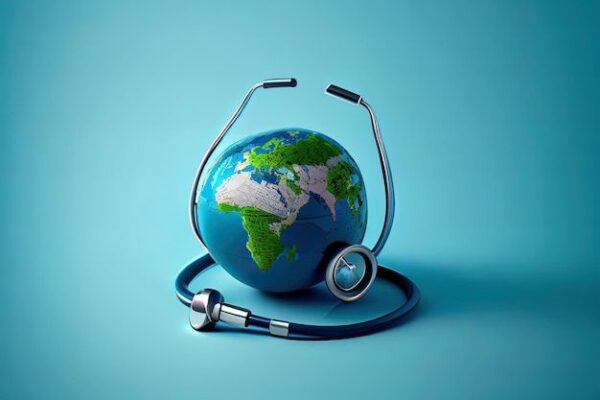
WHO & Global Health Governance: Leading the World Toward Health Equity

Introduction: In an interconnected world, health challenges transcend borders. From pandemics and antibiotic resistance to maternal health and nutrition, managing global health requires a coordinated, unified response. At the forefront of this effort is the World Health Organization (WHO) — the leading authority in global public health and the key actor in Global Health Governance…

Read More

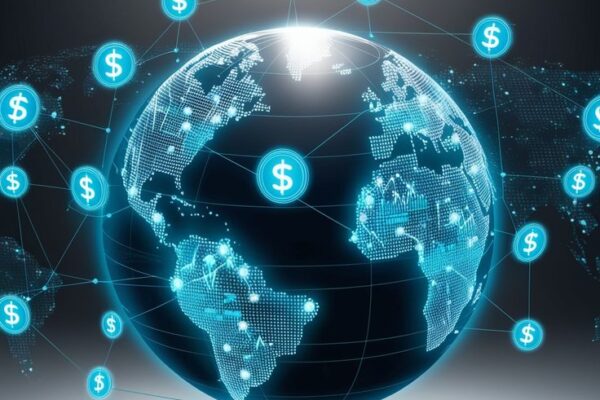
World Bank & IMF Policies: Global Economic Stability or Financial Hegemony?

Introduction:  Since the mid-20th century, the World Bank and the International Monetary Fund (IMF) have been two central institutions shaping the economic destiny of nations. Created in the aftermath of World War II to stabilize economies and rebuild war-torn regions, they have evolved into powerful financial organizations that influence everything from national budgets to public…

Read More

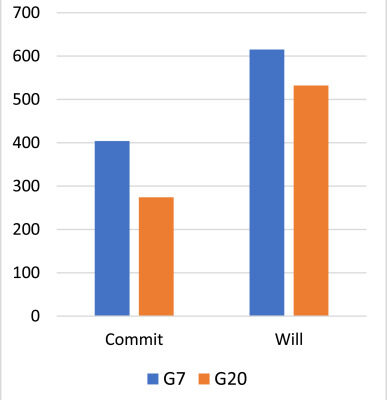
G7 & G20 Summit Analysis: Steering the Global Agenda in a Changing World

Introduction:  In a world marked by economic uncertainty, climate change, geopolitical tensions, and rapid technological transformation, global summits like the G7 (Group of Seven) and G20 (Group of Twenty) serve as critical platforms for dialogue, cooperation, and policy direction. These summits bring together the world’s most influential economies to discuss and coordinate responses to the…

Read More

Transforming the Future of Global Cooperation: The Call for United Nations Reforms

Introduction: Since its creation in 1945, the United Nations has been a symbol of hope and cooperation for nations recovering from the devastation of the Second World War. With 51 founding members, its purpose was clear—to prevent future wars, promote peace, and foster international cooperation in solving pressing global issues. Today, with 193 member states,…

Read More