




ASEAN Regional Cooperation: Strengthening Unity in Southeast Asia

Introduction The Association of Southeast Asian Nations (ASEAN) is one of the most dynamic regional organizations in the world, bringing together ten Southeast Asian countries to foster economic growth, political stability, and social progress. Formed in 1967, ASEAN has grown to become a key player in global geopolitics, contributing significantly to the region’s prosperity and…
Read More

Japan-South Korea Tensions: Historical Disputes and Modern-Day Diplomatic Challenges

Introduction Japan and South Korea, two of East Asia’s most developed and influential nations, share a complex and often strained relationship shaped by historical grievances, territorial disputes, and conflicting national interests. Despite their close proximity and shared democratic values, their diplomatic relations have been marred by deep-seated tensions that date back to Japan’s colonization of…

Read More

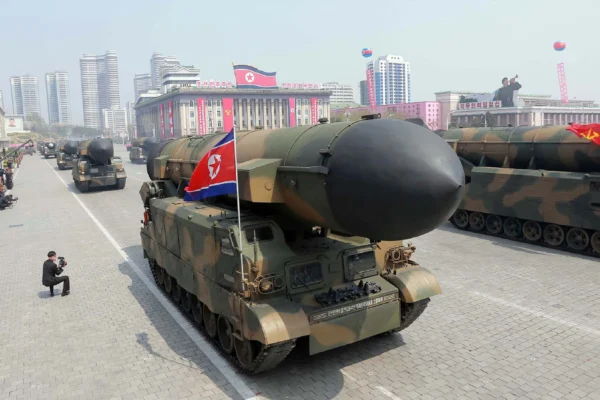
North Korea Nuclear Program: Regional Security Threat and Global Implications

Introduction North Korea’s nuclear program has been a source of global concern for decades, shaping the security landscape of East Asia and influencing international diplomacy. The regime in Pyongyang has persistently pursued nuclear weapons development, despite widespread condemnation, sanctions, and diplomatic pressure from the international community. The nuclear ambitions of North Korea not only pose…

Read More

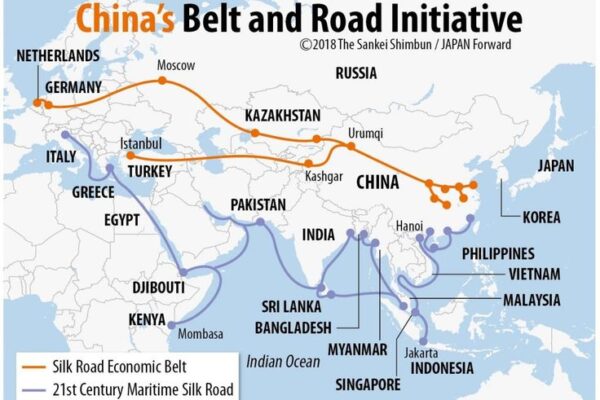
China’s Belt and Road Initiative: A Global Infrastructure Revolution

Introduction Launched in 2013 by Chinese President Xi Jinping, the Belt and Road Initiative (BRI) represents one of the most ambitious global development projects of the 21st century. Often described as a modern-day Silk Road, the BRI seeks to connect countries across Asia, Africa, Europe, and beyond through a network of trade routes, infrastructure projects,…

Read More