
vasanth vasanth

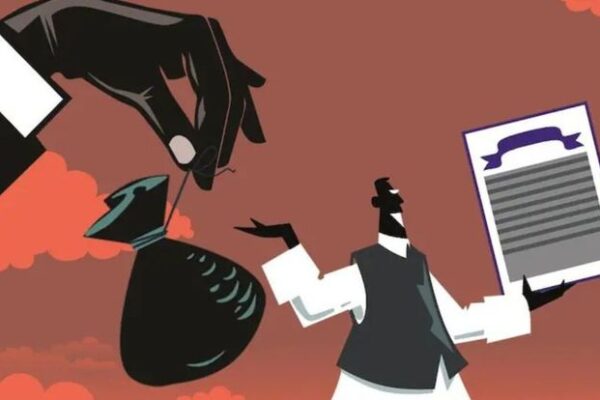
Political Party Funding – Transparency, Influence, and Democracy

Political party funding is a cornerstone of democratic politics, enabling parties to organize campaigns, engage with voters, and operate effectively within the political system. However, the sources and regulation of such funding have profound implications for political fairness, transparency, and public trust. Understanding how political parties finance their activities is crucial to analyzing the health…
Read More

Election Interference Reports – Safeguarding Democracy in a Complex Era

In recent years, election interference has emerged as a critical threat to democratic processes worldwide. From cyberattacks and misinformation campaigns to covert foreign influence and voter suppression tactics, these covert operations challenge the integrity, transparency, and fairness of elections—the very foundation of democracy. Election interference refers to any action—whether by domestic or foreign actors—that aims…

Read More

Youth Political Movements – The Rising Force Shaping Tomorrow’s World

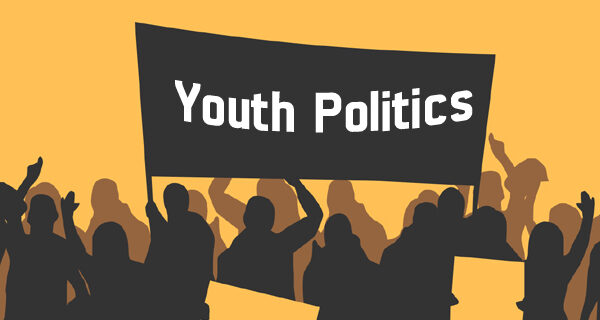
In every era of history, youth have been catalysts for change, challenging the status quo and demanding new directions for society. The 21st century is no exception. Across the globe, youth political movements are gaining unprecedented momentum, driving transformative agendas on issues ranging from climate change and social justice to democracy and digital rights. These…

Read More

Populism vs Establishment – The Global Political Tug-of-War

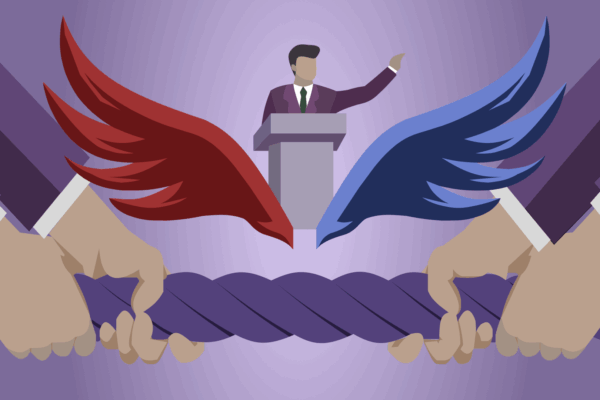
The 21st-century political landscape is increasingly defined by the clash between populism and the establishment. Once seen as fringe or reactionary movements, populist ideologies have rapidly gained momentum across continents, shaking the foundations of traditional political systems. This rising wave has resulted in a dramatic reconfiguration of party politics, policymaking, and public trust in institutions,…

Read More

2024 Global Election Calendar – A Landmark Year in Global Democracy

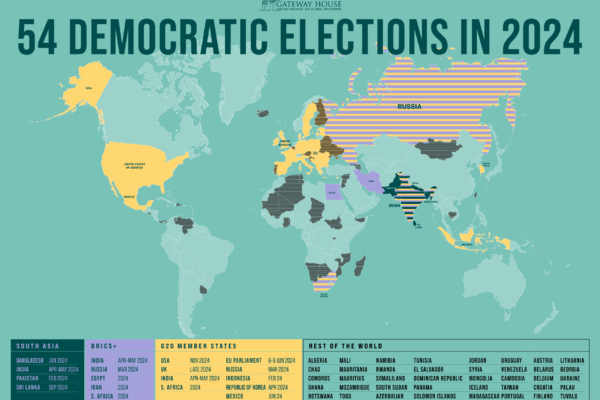
The year 2024 marked an extraordinary chapter in global political history, as it featured one of the most densely packed election calendars the world has ever seen. From Asia and Africa to Europe and the Americas, billions of voters across more than 80 countries participated in crucial elections that determined the future course of governance,…

Read More

ICC & War Crimes: Pursuing Global Justice Beyond Borders

Introduction:  In the aftermath of war, conflict, or genocide, the cry for justice echoes across nations. War crimes, crimes against humanity, and genocide are not merely tragedies — they are serious violations of international law. To uphold justice and human dignity, the global community created a legal body dedicated to ending impunity: the International Criminal…

Read More

WHO & Global Health Governance: Leading the World Toward Health Equity

Introduction: In an interconnected world, health challenges transcend borders. From pandemics and antibiotic resistance to maternal health and nutrition, managing global health requires a coordinated, unified response. At the forefront of this effort is the World Health Organization (WHO) — the leading authority in global public health and the key actor in Global Health Governance…

Read More

World Bank & IMF Policies: Global Economic Stability or Financial Hegemony?

Introduction:  Since the mid-20th century, the World Bank and the International Monetary Fund (IMF) have been two central institutions shaping the economic destiny of nations. Created in the aftermath of World War II to stabilize economies and rebuild war-torn regions, they have evolved into powerful financial organizations that influence everything from national budgets to public…

Read More

G7 & G20 Summit Analysis: Steering the Global Agenda in a Changing World

Introduction:  In a world marked by economic uncertainty, climate change, geopolitical tensions, and rapid technological transformation, global summits like the G7 (Group of Seven) and G20 (Group of Twenty) serve as critical platforms for dialogue, cooperation, and policy direction. These summits bring together the world’s most influential economies to discuss and coordinate responses to the…

Read More

Transforming the Future of Global Cooperation: The Call for United Nations Reforms

Introduction: Since its creation in 1945, the United Nations has been a symbol of hope and cooperation for nations recovering from the devastation of the Second World War. With 51 founding members, its purpose was clear—to prevent future wars, promote peace, and foster international cooperation in solving pressing global issues. Today, with 193 member states,…

Read More