



In every era of history, youth have been catalysts for change, challenging the status quo and demanding new directions for society. The 21st century is no exception. Across the globe, youth political movements are gaining unprecedented momentum, driving transformative agendas on issues ranging from climate change and social justice to democracy and digital rights. These movements are reshaping political landscapes, influencing policy, and redefining what it means to be politically active.
🧭 Who Are the Youth Political Movements?
Youth political movements comprise organized or grassroots groups of young people—often aged between 15 and 30—who engage collectively in political activism. They operate at local, national, and international levels, harnessing digital tools, social media platforms, and street protests to amplify their voices.
Unlike traditional political actors, youth activists tend to:
Emphasize intersectionality and inclusivity.
Focus on urgent global challenges like climate change, inequality, and human rights.
Reject partisan politics in favor of issue-driven agendas.
Prioritize innovation, collaboration, and decentralized leadership.
🌐 Global Landscape of Youth Political Movements
Youth-led movements have become prominent across continents, each shaped by their unique socio-political contexts.
🌱 Climate Activism
Arguably the most visible youth movement of recent years is the climate movement. Inspired by figures like Greta Thunberg and groups such as Fridays for Future, millions of young people have mobilized worldwide, demanding bold action against climate change and environmental degradation. They advocate for renewable energy, sustainable development, and hold governments accountable for climate commitments.
✊ Social Justice and Equality
Youth activists have been at the forefront of movements such as Black Lives Matter, LGBTQ+ rights campaigns, and efforts to end systemic racism and sexism. Through protests, art, and online advocacy, they challenge entrenched inequalities and push for legal and cultural reforms.
🗳️ Democracy and Political Participation
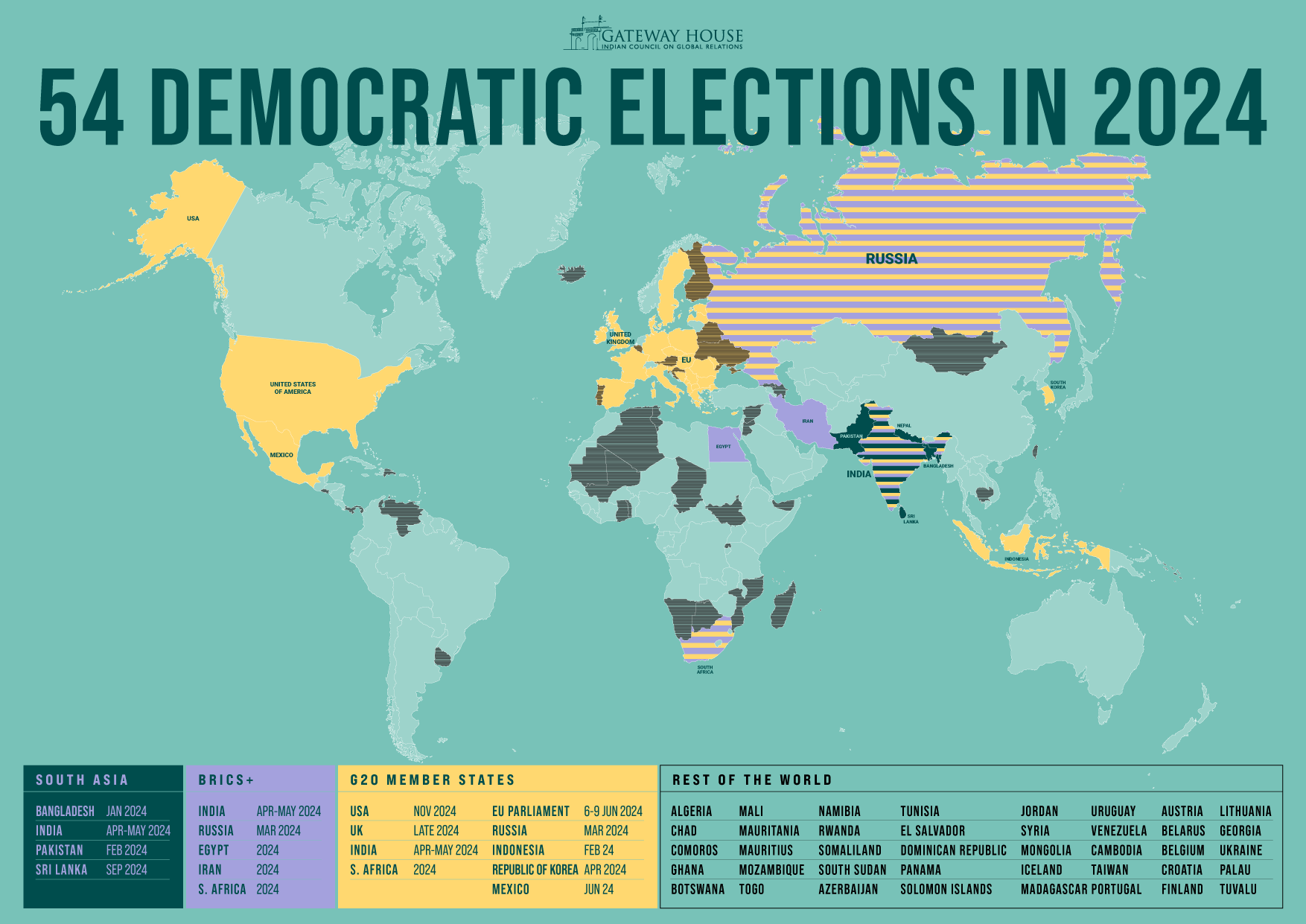
From Hong Kong’s pro-democracy protests to youth voter mobilization campaigns in the United States and Europe, young people are demanding greater say in political decisions. They challenge authoritarianism, corruption, and electoral injustices, often risking their freedom to defend democratic principles.
📱 Digital Rights and Innovation
Youth movements are also leading the fight for internet freedom, privacy, and open access to information. They emphasize the importance of technology in empowering marginalized voices and fostering transparency.
🔥 Key Features of Youth Political Movements
Grassroots Origins: Many youth movements start organically—through schools, universities, or online communities—and grow rapidly through peer networks.
Global Solidarity: Movements often cross borders, creating global campaigns and sharing strategies.
Use of Social Media: Platforms like Twitter, Instagram, TikTok, and WhatsApp are essential for organizing, awareness, and storytelling.
Nonviolent Direct Action: From sit-ins and marches to digital campaigns, youth rely on creative, peaceful methods to make an impact.
Focus on Systemic Change: Rather than isolated reforms, youth movements often call for deep structural transformation—whether political, economic, or cultural.
📈 Impact and Achievements
Youth political movements have achieved significant milestones:
Climate policies: Some countries have committed to carbon neutrality and divesting from fossil fuels in response to youth pressure.
Legislation: Youth advocacy has influenced anti-discrimination laws, voting age reforms, and education policies.
Global Awareness: Movements have brought critical issues to mainstream attention, changing media narratives and public discourse.
Leadership Development: Many youth activists have transitioned into influential political and social leadership roles, shaping future policies from within institutions.
⚠️ Challenges Facing Youth Movements
Despite their energy and innovation, youth political movements face obstacles:
Repression and Criminalization: In some countries, youth activists face arrests, censorship, or violence.
Resource Constraints: Limited funding and institutional support can hinder sustained activism.
Generational Divides: At times, youth perspectives clash with older political actors resistant to change.
Sustainability: Keeping momentum over the long term requires organization, strategy, and resilience.
🌟 The Future of Youth Political Movements
The next decades will likely see youth activism grow even stronger and more influential. With increasing access to technology and education, young people are poised to:
Shape innovative policies addressing climate, technology, and social equity.
Build inclusive coalitions that transcend national and ideological boundaries.
Transform political culture to be more transparent, accountable, and participatory.
Supporting and engaging with youth political movements is essential for governments, NGOs, and society at large to build resilient democracies and sustainable futures.