Introduction
War crimes represent some of the gravest violations of international law, involving acts that shock the conscience of humanity—deliberate targeting of civilians, torture, sexual violence, and the use of prohibited weapons. Documenting these crimes is essential not only for historical record but also for justice, accountability, and deterrence.
This blog explores the importance of war crimes documentation, methods used, challenges faced by investigators, and how global institutions work to bring perpetrators to justice.
What Are War Crimes?
War crimes are serious breaches of international humanitarian law committed during armed conflict. Examples include:
Willful killing of civilians or prisoners of war
Torture and inhumane treatment
Taking hostages
Using child soldiers
Attacking hospitals, schools, and protected cultural sites
Rape and sexual slavery
These acts are defined in treaties such as the Geneva Conventions and the Rome Statute of the International Criminal Court (ICC).
Why Documentation Matters
1. Preserving Evidence for Prosecution
Without clear, credible evidence, war crimes often go unpunished. Documentation helps build cases against military leaders, politicians, or groups responsible for atrocities.
2. Honoring Victims and Survivors
Recording testimonies and evidence gives voice to victims and preserves their stories for posterity.
3. Deterrence
The risk of future prosecution can deter commanders and states from committing war crimes.
4. Historical Record
Accurate documentation prevents denial and revisionism, ensuring history reflects the truth.
How Are War Crimes Documented?
Field Investigations
Witness interviews: Survivors, defectors, and bystanders provide firsthand accounts.
Forensic evidence: Exhuming mass graves, analyzing bullet casings, and medical exams.
Photographs and videos: Satellite imagery, mobile phone footage, and media reports.
Document analysis: Orders, communications, and internal military documents.
Remote and Digital Tools
Satellite and drone imagery to verify attacks and destruction.
Open-source intelligence (OSINT): Publicly available videos, social media, and news are analyzed to cross-verify incidents.
Geolocation and metadata analysis confirm when and where events occurred.
Challenges in Documentation
Access and Security
Conflict zones are often inaccessible or dangerous for investigators, limiting evidence gathering.
Political Interference
States or armed groups may obstruct investigations, intimidate witnesses, or destroy evidence.
Misinformation and Propaganda
Conflicting narratives and fake news complicate truth verification.
Trauma and Fear
Victims may hesitate to testify due to trauma or fear of reprisals.
International Institutions and War Crimes
International Criminal Court (ICC)
Established in 2002, the ICC prosecutes individuals for war crimes, genocide, and crimes against humanity when national courts are unwilling or unable.
United Nations Commissions of Inquiry
The UN often forms special commissions to investigate conflicts (e.g., Syria, Myanmar) and submit findings to international bodies.
Non-Governmental Organizations (NGOs)
Groups like Human Rights Watch, Amnesty International, and B’Tselem document abuses and advocate for justice.
Recent Examples
Syria
Since 2011, countless war crimes have been documented—including chemical weapon attacks and siege warfare. International investigators have gathered extensive evidence despite ongoing conflict.
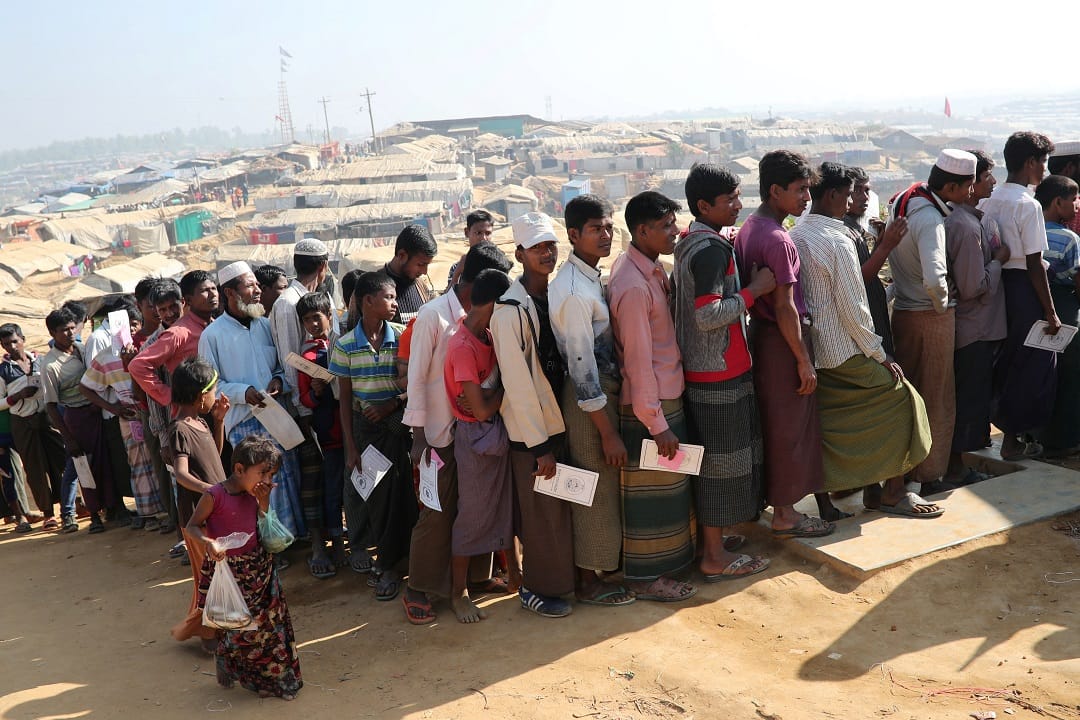
Myanmar Rohingya Crisis
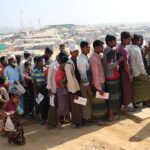
UN fact-finding missions documented systematic killings, sexual violence, and village burnings that constitute crimes against humanity and genocide.
Ukraine Conflict
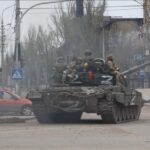
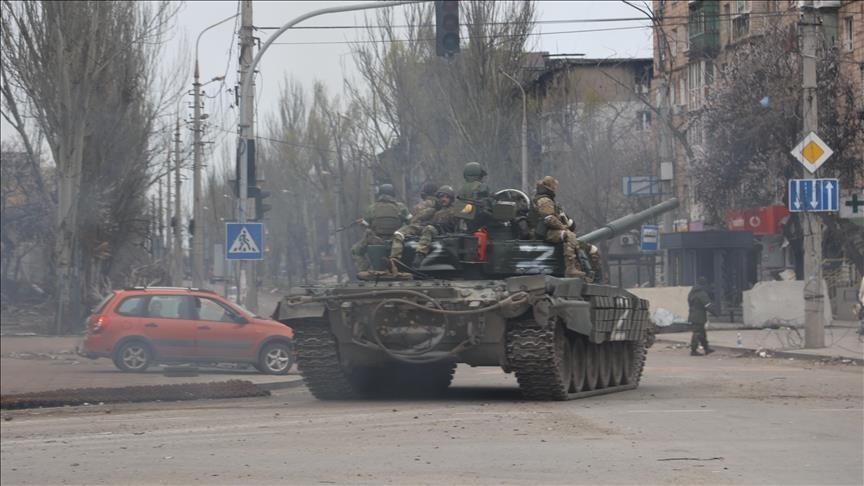
Since 2022, investigators and OSINT analysts have documented alleged war crimes by Russian forces, including attacks on civilians and civilian infrastructure.
How You Can Help
Support investigative journalism and NGOs working on the ground.
Share verified information to combat misinformation.
Advocate for international justice by urging governments to support war crimes tribunals.
Donate to organizations aiding survivors and documenting abuses.