Introduction
In recent years, the world has witnessed an unprecedented focus on human rights abuses, but one of the most alarming and heavily debated crises—the treatment of the Uyghur Muslims in China’s Xinjiang region—has revealed the complex intersection of politics, media, and economics. The term “Uyghur genocide” has become a flashpoint in international discourse, yet the coverage it receives remains fragmented, politically charged, and often constrained by global economic dependencies.
This blog post dives deep into the nature of the Uyghur genocide, the challenges in covering it globally, and the economic and political dynamics that influence how this issue is reported and perceived.
Who Are the Uyghurs?
The Uyghurs are a Turkic ethnic group, predominantly Muslim, primarily residing in the Xinjiang Uyghur Autonomous Region of China. Historically, the region has seen cultural and religious diversity. However, following increased Han Chinese migration and government control, tensions have escalated between the Uyghur population and Chinese authorities.
What Is Happening in Xinjiang?
Numerous reports, survivor testimonies, and leaked government documents have detailed systematic human rights violations in Xinjiang, including:
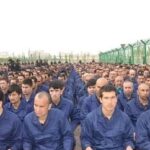
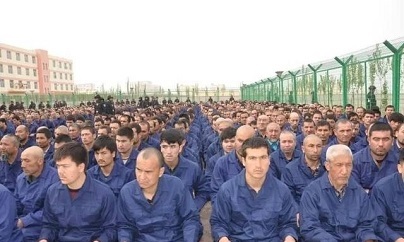
Mass Internment Camps: Over a million Uyghurs and other Muslim minorities have been detained in what the Chinese government calls “re-education camps.”
Forced Labor: Uyghurs are often transferred to factories across China, producing goods for global supply chains under coercive conditions.
Surveillance State: Xinjiang is known as one of the most heavily surveilled places on Earth, with facial recognition, biometric data collection, and AI-driven tracking systems.
Cultural Erasure: Mosques, shrines, and religious texts have been destroyed or altered. Speaking the Uyghur language and practicing Islam are heavily restricted.
Sterilizations and Birth Suppression: Reports and data indicate forced sterilizations and abortions aimed at reducing the Uyghur birth rate—a key factor in genocide allegations.
Is It Genocide?
The term “genocide” is not used lightly. According to the UN Genocide Convention, genocide involves acts committed with intent to destroy, in whole or in part, a national, ethnical, racial, or religious group.
In 2021, the United States, Canada, the UK, and several EU parliaments declared China’s actions against the Uyghurs a genocide. However, China vehemently denies these claims, calling them fabricated and politically motivated.
Media Coverage: A Tale of Silence and Soft Focus
1. Western Media
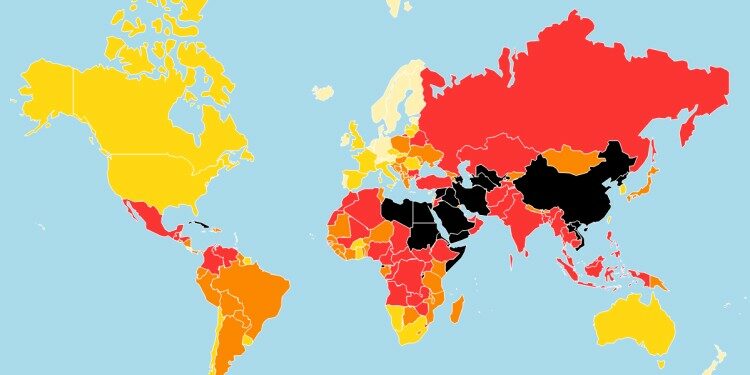
Western outlets such as BBC, The Guardian, CNN, and The New York Times have reported on the issue in depth, but often within the constraints of diplomatic sensitivities. Investigative pieces have emerged, but consistency in coverage is lacking. Geopolitical alliances, corporate interests, and advertiser pressure play a role in softening the tone or limiting frequency.
2. Chinese State-Controlled Media
Chinese media outlets push a vastly different narrative. They portray the camps as “vocational training centers” meant to combat terrorism and provide employment. Journalists from state media have published polished documentaries and propaganda that discredit foreign journalists and Uyghur whistleblowers.
3. Muslim-Majority Countries
Surprisingly, many Muslim-majority nations have remained silent or supportive of China, due to their economic reliance on Beijing. The Organisation of Islamic Cooperation (OIC), with few exceptions like Turkey, has not condemned the actions in Xinjiang. In fact, some countries have signed letters backing China’s policies.
Why the Global Silence?
1. Economic Dependence on China
China is the world’s second-largest economy and a crucial trading partner for most countries. The fear of retaliation—economic sanctions, trade restrictions, or diplomatic fallout—deters many from openly criticizing China.
2. Geopolitical Realism
Realpolitik dictates that nations prioritize their strategic interests over moral imperatives. Speaking out could damage bilateral relations, halt infrastructure deals (e.g., the Belt and Road Initiative), or affect investment.
3. Corporate Complicity
Brands such as Nike, Adidas, H&M, and Apple have faced backlash for sourcing materials from Xinjiang. While many have issued statements or cut ties, leaked lobbying efforts show some resisted bans on forced-labor imports. The result is a murky corporate environment where ethics often bow to profits.
The Role of Social Media and Activism
Activists and survivors have turned to platforms like Twitter, Instagram, and TikTok to amplify Uyghur voices. Hashtags like #FreeUyghurs and #UyghurGenocide trend regularly, particularly during key political events like G7 or UN sessions.
However, these platforms are also targets of misinformation campaigns, bot activity, and censorship, especially when Chinese influence is involved. Despite this, Uyghur diaspora communities continue to resist through storytelling, education, and lobbying efforts.
International Responses: Sanctions and Symbolic Actions
US: Passed the Uyghur Forced Labor Prevention Act, banning imports from Xinjiang unless proven free of forced labor.
EU & UK: Imposed travel bans and asset freezes on Chinese officials involved.
UN: Released a long-awaited report in 2022, stating that abuses “may constitute crimes against humanity,” though it stopped short of calling it genocide.
Still, the absence of coordinated global action is glaring.