

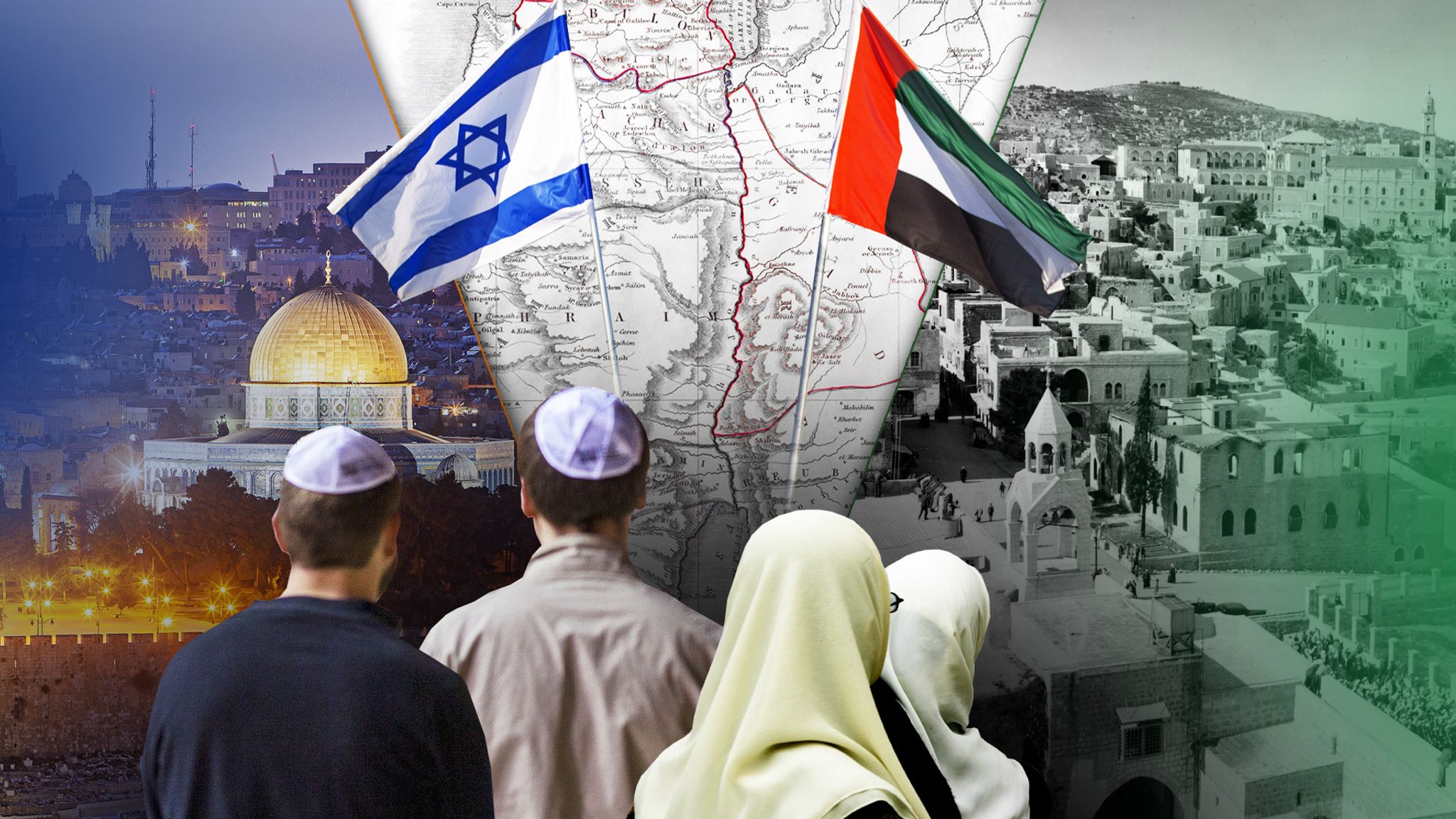
The Israel-Palestine conflict stands as one of the most prolonged and emotionally charged conflicts in modern history. It is a multifaceted dispute involving historical grievances, religious significance, nationalism, geopolitics, and human rights. This blog post explores the roots, evolution, major events, and current status of the Israel-Palestine conflict in an unbiased and factual manner.
🌍 Historical Background
1. Ancient History
The region known as Palestine has been inhabited for thousands of years. It holds immense religious significance for Jews, Christians, and Muslims alike. The land has seen the rise and fall of numerous empires — Egyptian, Roman, Byzantine, Ottoman — and is known for its association with biblical and Quranic history.
2. Jewish Diaspora and Zionism
After the Roman conquest in 70 CE and subsequent rebellions, most Jews were expelled from Judea (ancient Israel), leading to a global Jewish diaspora. In the late 19th century, fueled by rising anti-Semitism in Europe, the Zionist movement emerged, advocating for the return of Jews to their ancestral homeland.
📜 The Birth of the Conflict
3. British Mandate and Balfour Declaration (1917)
During World War I, the British made contradictory promises to Arabs and Jews. In the Balfour Declaration, Britain supported the establishment of a “national home for the Jewish people” in Palestine, then part of the Ottoman Empire. After the war, Britain took control of Palestine under a League of Nations mandate.
4. Jewish Immigration and Arab Resistance
Between 1920 and 1948, waves of Jewish immigrants arrived, fleeing persecution in Europe. Tensions grew between the Jewish immigrants and the Arab population, who feared displacement and marginalization. Violence erupted frequently.
⚔️ Creation of Israel and the Nakba
5. UN Partition Plan (1947)
The United Nations proposed dividing Palestine into two states — one Jewish and one Arab — with Jerusalem under international control. Jews accepted the plan, but Arabs rejected it, viewing it as unfair.
6. 1948 Arab-Israeli War
On May 14, 1948, Israel declared independence. The next day, Arab nations (Egypt, Jordan, Syria, Iraq, and Lebanon) invaded. Israel won, but over 750,000 Palestinians were displaced, an event they call the Nakba (“catastrophe”).
🛑 Key Wars and Intifadas
7. 1967 Six-Day War
Israel preemptively attacked Egypt, Syria, and Jordan, capturing:
Gaza Strip (from Egypt)
West Bank and East Jerusalem (from Jordan)
Golan Heights (from Syria)
This victory marked the beginning of Israel’s occupation of Palestinian territories.
8. First Intifada (1987–1993)
A grassroots uprising against Israeli occupation. It involved protests, boycotts, and violence. It led to international awareness and the Oslo Accords.
9. Second Intifada (2000–2005)
More violent than the first. Sparked by Israeli opposition leader Ariel Sharon’s visit to the Al-Aqsa Mosque compound. Suicide bombings, military raids, and heavy casualties occurred.
✍️ Peace Attempts and Political Struggles
10. Oslo Accords (1993 & 1995)
Historic peace agreements between Israel and the Palestine Liberation Organization (PLO). It established the Palestinian Authority and gave limited self-rule in Gaza and parts of the West Bank. However, final status issues — borders, refugees, Jerusalem — were left unresolved.
11. Camp David Summit (2000)
Failed peace talks between Israeli PM Ehud Barak and Palestinian leader Yasser Arafat. The summit collapsed without an agreement, leading to renewed violence.
12. Hamas vs Fatah
After winning 2006 elections, Hamas took control of Gaza in 2007, while Fatah retained the West Bank. This internal division weakened Palestinian diplomacy.
🚨 Recent Developments
13. Gaza Blockade and Conflicts
Since 2007, Israel and Egypt have imposed a blockade on Gaza, citing security concerns. Recurrent wars have erupted:
2008–09 Gaza War
2012, 2014, 2021 Conflicts
Thousands of civilian casualties, with severe humanitarian consequences.
14. Jerusalem Tensions
Israel considers Jerusalem its undivided capital, while Palestinians see East Jerusalem as their future capital. Clashes at the Al-Aqsa Mosque are flashpoints.
15. 2023–2024 Escalation
Recent years have seen increased violence. In October 2023, Hamas launched a surprise attack on Israel, killing civilians and prompting a massive Israeli military response in Gaza, causing thousands of deaths and global outcry. The humanitarian situation worsened significantly.
🕊️ The Core Issues
Borders – No agreed-upon borders. Palestinians want pre-1967 borders; Israel cites security needs.
Jerusalem – A city sacred to both sides, claimed by both as their capital.
Refugees – Over 5 million Palestinian refugees seek the right to return, which Israel opposes.
Settlements – Israeli settlements in the West Bank are considered illegal under international law, yet continue to expand.
Security and Terrorism – Israel cites threats from Hamas and other groups; Palestinians cite military occupation and oppression.
🌐 International Involvement
United States – Strong ally of Israel; has attempted to mediate peace.
Arab Nations – Varied positions; some normalized relations with Israel (Abraham Accords), while others remain critical.
United Nations – Has passed numerous resolutions, mostly critical of Israeli actions in occupied territories.
Human Rights Organizations – Have condemned violations by both sides, including indiscriminate attacks, detentions, and civilian casualties.