




Introduction
In an increasingly globalized world, the term “trade war” has become more than just a headline—it’s a reality shaping economies, altering geopolitical strategies, and influencing everything from the price of smartphones to the cost of agricultural goods. A trade war occurs when countries impose tariffs or other restrictions on each other’s goods and services in a retaliatory fashion. While the intention is often to protect domestic industries, the ripple effects can be both deep and wide.
This blog delves into the intricate world of trade wars, analyzing their causes, consequences, historical examples, and their current impact on global economic stability.
What is a Trade War?
A trade war is a form of economic conflict where countries impose duties, tariffs, or quotas on imports from each other to gain a competitive advantage. These policies are usually retaliatory, creating a cycle of increasing restrictions that can escalate quickly.
The primary tools of a trade war include:
Tariffs: Taxes on imported goods.
Quotas: Limits on the number of goods that can be imported.
Subsidies: Government support to domestic industries to make them more competitive.
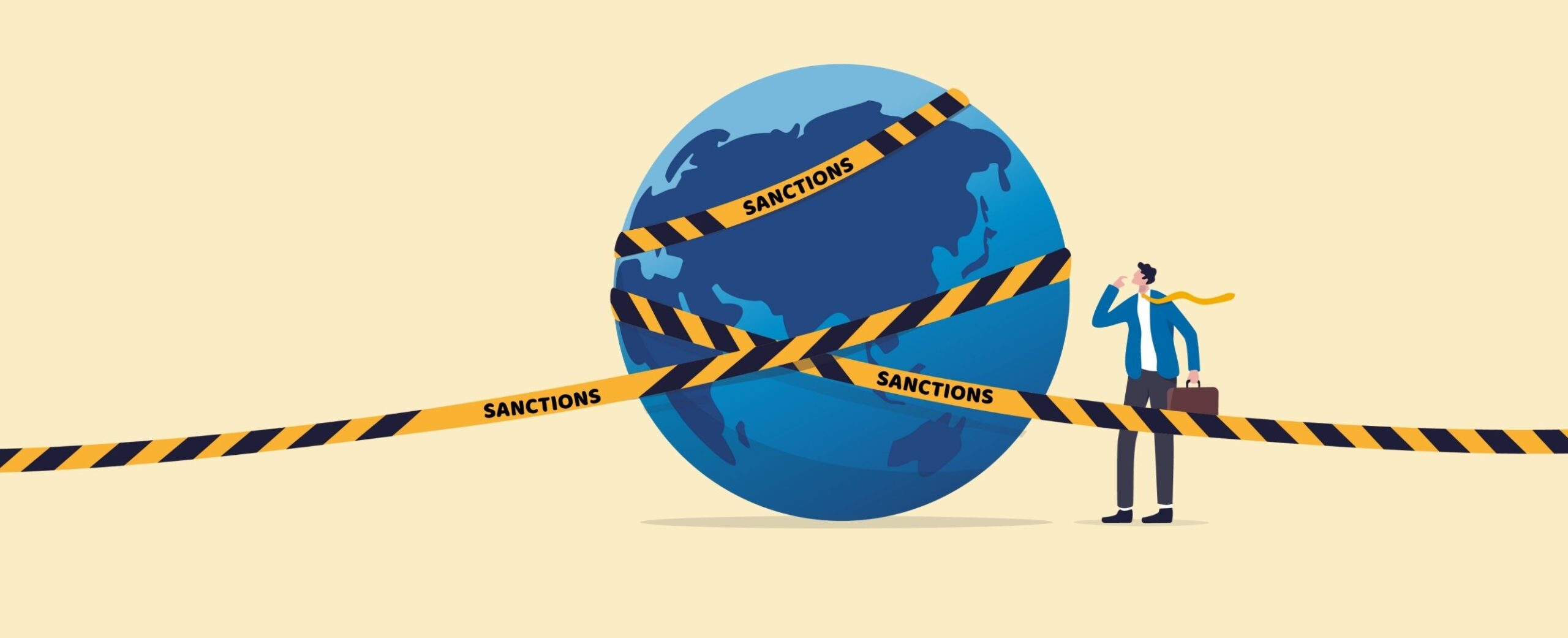
Sanctions: Legal restrictions targeting specific countries or sectors.
Historical Context
1. The Smoot-Hawley Tariff Act (1930)
One of the earliest examples of a large-scale trade war came during the Great Depression when the U.S. passed the Smoot-Hawley Tariff Act, imposing high tariffs on thousands of imports. In retaliation, other countries did the same. The result? A steep decline in international trade and a worsening of the global depression.
2. U.S.-Japan Trade Friction (1980s)
In the 1980s, Japan’s rise as a tech and auto powerhouse led to tensions with the U.S., which resulted in voluntary export restraints and negotiations under pressure. Although it didn’t escalate to a full-scale trade war, it shaped future diplomatic approaches.
3. The U.S.-China Trade War (2018–2020)
Arguably the most prominent trade war in modern times, this conflict began when the U.S. imposed tariffs on Chinese goods to combat intellectual property theft and trade imbalances. China retaliated, and both economies suffered. Global supply chains were disrupted, and consumer prices surged.
Causes of Modern Trade Wars
Trade Imbalances: When one country exports far more than it imports from another.
Intellectual Property Theft: Especially prevalent in tech industries.
Currency Manipulation: When a country devalues its currency to make exports cheaper.
National Security Concerns: Used as a justification to limit certain imports (e.g., semiconductors, steel).
Political Leverage: Trade can be a tool for broader geopolitical influence.
Economic Impact of Trade Wars
Short-Term Effects
Price Hikes: Consumers face increased costs on imported goods.
Supply Chain Disruptions: Especially in tech, auto, and electronics sectors.
Investor Uncertainty: Markets often react negatively to ongoing disputes.
Long-Term Effects
Shift in Trade Alliances: Countries form new trade partnerships.
Reshoring of Industries: Domestic manufacturing may increase.
Innovation Stagnation: Reduced global collaboration can slow progress.
Winners and Losers
Winners:
Domestic industries protected by tariffs.
Local suppliers who replace foreign competitors.
Governments gaining leverage in negotiations.
Losers:
Export-dependent industries.
Consumers who pay more.
Global economic stability.
Trade War Strategies
Diversification of Suppliers: Countries seek multiple sources to reduce dependency.
Regional Trade Agreements: Like the CPTPP, EU–Mercosur, and USMCA.
Digital Trade: Nations increasingly turn to services and IP-based industries to bypass physical tariffs.