
Introduction
One of the gravest humanitarian crises of the 21st century has unfolded in Myanmar—home to the Rohingya Muslims, a minority group systematically persecuted, displaced, and erased. The Rohingya Refugee Crisis isn’t just a regional tragedy—it’s a global indictment of how deeply ethnic nationalism, religious intolerance, and political interests can override human dignity.
This blog explores the roots of the Rohingya crisis, the role of the international community, the economic and social fallout, and why the world continues to watch in silence.
Who Are the Rohingya?
The Rohingya are a Muslim ethnic minority primarily residing in the Rakhine State of Myanmar (formerly Burma). Despite having lived in the region for centuries, the government does not recognize them as one of the country’s 135 official ethnic groups. Instead, it views them as illegal Bengali immigrants from Bangladesh.
As a result, the Rohingya are stateless—denied citizenship under Myanmar’s 1982 Citizenship Law. This makes them one of the most persecuted minorities in the world.
A Timeline of Tragedy
Pre-2012
The Rohingya have long faced discrimination, restricted movement, exclusion from education and healthcare, and forced labor.
2012 Rakhine State Riots
Communal violence between Buddhists and Muslims led to the displacement of over 140,000 Rohingya, mostly into overcrowded, squalid camps.
2016-2017: The Genocidal Crackdown
In August 2017, the Myanmar military launched a massive “clearance operation” after a Rohingya militant group allegedly attacked police posts. The army’s response was disproportionate and brutal:
Entire villages were burned down
Women were raped
Children were killed
Survivors fled en masse to neighboring Bangladesh
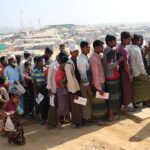
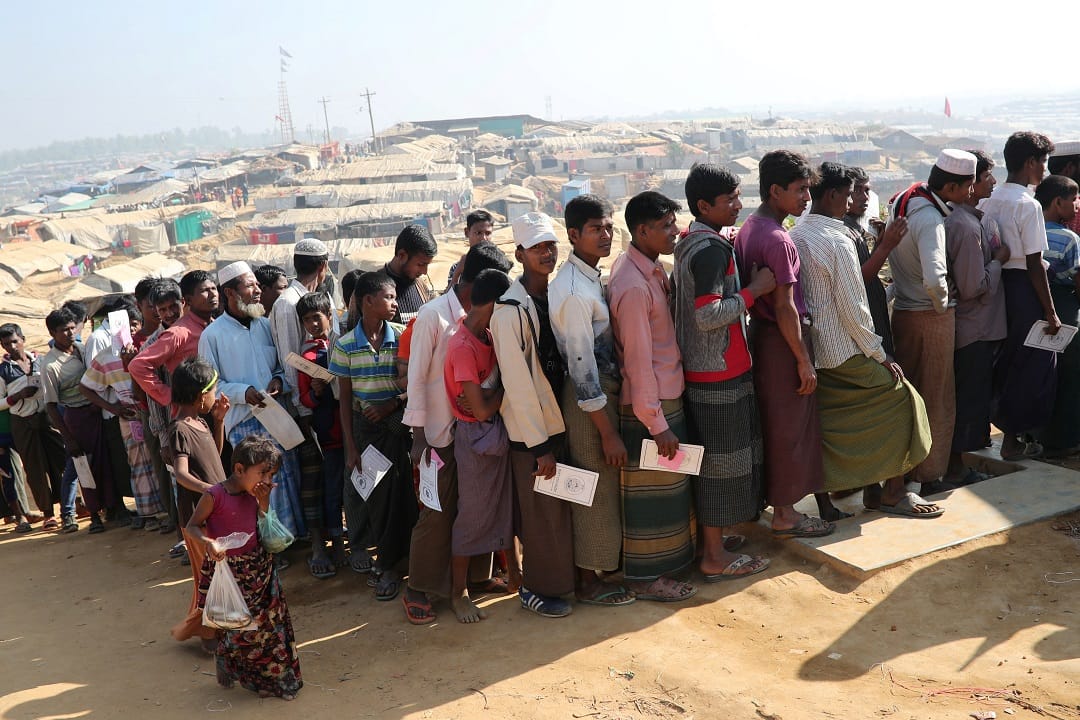
By early 2018, more than 700,000 Rohingya had crossed into Cox’s Bazar, now the world’s largest refugee camp.
Is It Genocide?
The United Nations, multiple NGOs, and legal experts have accused Myanmar of genocidal intent. A 2018 UN fact-finding mission found evidence of:
Mass killings
Torture
Rape and sexual slavery
Systematic destruction of villages
In 2019, The Gambia filed a case against Myanmar at the International Court of Justice (ICJ) under the Genocide Convention. The court ordered Myanmar to take measures to prevent acts of genocide, but enforcement remains weak.
Life in Refugee Camps
The Cox’s Bazar refugee camp in Bangladesh is overcrowded, underfunded, and vulnerable to disease outbreaks, monsoons, and landslides. Key issues include:
Poor sanitation and limited healthcare
Limited education and employment opportunities
Risks of trafficking, child marriage, and radicalization
Mental health trauma due to war, rape, and loss
The lack of legal status and long-term resettlement options has turned the Rohingya crisis into a protracted emergency.
Why Aren’t They Going Back?
Despite attempts at repatriation, the Rohingya refuse to return unless Myanmar guarantees:
Citizenship
Safety from military persecution
Right to return to their original homes (not camps)
As of now, none of these conditions have been met. Myanmar continues to claim it is combating terrorism, not persecuting a people.
Global Response: Words Without Weight
Bangladesh
Despite its limited resources, Bangladesh has shown exceptional hospitality. But the country is reaching its limit—economically and socially.
ASEAN
The Association of Southeast Asian Nations (ASEAN) has failed to take meaningful action, partly due to its non-interference policy.
United Nations
The UN has issued strong statements, but inaction in the Security Council (blocked by China and Russia) has stymied enforcement.
Western Nations
Countries like the US, UK, and Canada have imposed targeted sanctions on Myanmar generals. Yet, broader action—like arms embargoes or economic pressure—remains lacking.
Muslim-Majority Nations
While some, like Turkey and Malaysia, have condemned Myanmar, others have remained silent due to political and economic ties.
Economic and Political Ties: The Silent Drivers
Many countries, including India, China, and ASEAN states, avoid criticizing Myanmar openly due to economic interests:
Myanmar’s natural gas and mineral resources are valuable.
It’s a key player in China’s Belt and Road Initiative.
The West has strategic reasons to keep Myanmar engaged, fearing it will drift entirely into China’s orbit.
Thus, the Rohingya’s suffering becomes a casualty of global pragmatism.
The Role of Media and Misinformation
Myanmar State Media
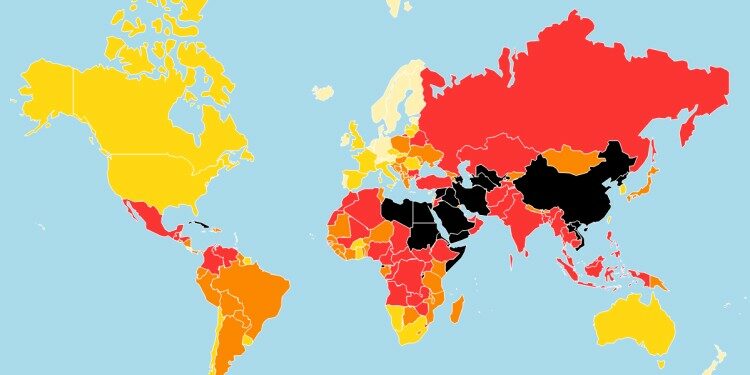
Continues to depict the Rohingya as “terrorists” or illegal migrants. Independent journalism is stifled, and journalists have been arrested for reporting on military abuses.
Social Media
Platforms like Facebook were used to spread hate speech and incite violence. A 2018 report blamed Facebook for failing to act against inflammatory content, fueling anti-Rohingya sentiment.
Global Media
Coverage spiked during 2017-2018 but has since dwindled. Crisis fatigue and shifting geopolitical focus (Ukraine war, Gaza conflict, etc.) have pushed the Rohingya story to the margins.