The Sahel region of Africa — a vast stretch of semi-arid land that borders the southern edge of the Sahara Desert — has become one of the world’s most alarming epicenters of terrorism and insecurity in the 21st century. From Mali and Niger to Burkina Faso and Chad, the region is witnessing a dangerous rise in jihadist violence, displacing millions and destabilizing entire nations.
This blog delves deep into the roots, current status, key players, global implications, and the path forward in the fight against terrorism in the Sahel.
🌍 Where Is the Sahel?
The Sahel is a geographic and climatic transition zone stretching across Africa from the Atlantic Ocean to the Red Sea, covering countries like:
Mauritania
Mali
Niger
Burkina Faso
Chad
Sudan
Senegal
Parts of Nigeria, Cameroon, and Eritrea
Though culturally rich and historically significant, the region suffers from poor governance, climate change, poverty, and ethnic tensions — making it fertile ground for extremist ideologies.
⚔️ Rise of Terrorism in the Sahel: How Did It Start?
1. Fall of Libya (2011):
The fall of Muammar Gaddafi in Libya unleashed weapons and fighters across the Sahel. Many Tuareg rebels and mercenaries returned to Mali heavily armed, destabilizing the region.
2. Mali’s Crisis (2012):
In 2012, Islamist militants and separatist Tuareg groups seized control of northern Mali. Though French forces intervened, this marked the beginning of a broader insurgency.
3. Formation of Jihadist Networks:
Groups affiliated with Al-Qaeda and ISIS found a foothold in the Sahel, especially:
Jama’at Nasr al-Islam wal Muslimin (JNIM) – Al-Qaeda linked
Islamic State in the Greater Sahara (ISGS) – ISIS affiliated
Boko Haram & ISWAP – Operating mainly in Lake Chad region
🔥 Current Situation (2024-2025)
Mali, Niger, and Burkina Faso have seen massive increases in terrorist attacks, especially targeting civilians, soldiers, and aid workers.
Over 10,000 deaths in 2023 alone due to jihadist violence.
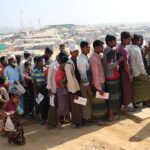
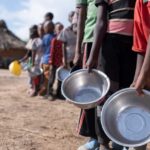
Millions displaced across the region, triggering humanitarian crises.
Armed groups now control large rural areas, imposing taxes and extremist laws.
Multiple military coups (Mali – 2021, Burkina Faso – 2022, Niger – 2023) have weakened state institutions.
Why Is the Sahel So Vulnerable?
Weak Governance – Corruption, military coups, and fragile states.
Poverty & Unemployment – Youth are easily recruited with promises of money or purpose.
Climate Change – Desertification and food insecurity worsen conflict.
Ethnic and Religious Divides – Often manipulated by extremists.
Limited Infrastructure – Lack of roads, police, and basic services in rural areas.
🌐 Global Response and Regional Efforts
1. French Military Operations
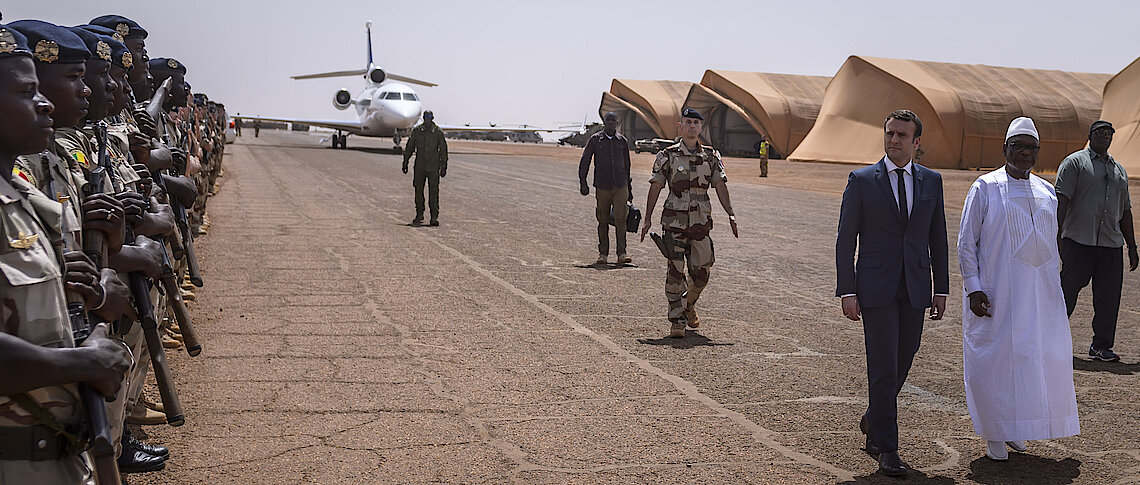
Operation Barkhane (2014–2022): 5,000+ troops deployed in the Sahel.
France ended its military operations after tensions with local governments.
2. G5 Sahel Joint Force
A regional military alliance between Burkina Faso, Chad, Mali, Mauritania, and Niger.
Struggled due to lack of funding, coordination, and trust.
3. United Nations (MINUSMA)
UN peacekeeping force in Mali.
Faced challenges due to limited mandate and hostilities.
Now withdrawn following Mali’s junta’s decision.
4. US and European Support
Surveillance drones, training missions, and intelligence sharing.
Decreasing presence due to political instability and coups.
🏚️ Humanitarian Consequences
4.8 million people displaced across the Sahel (UNHCR, 2024)
Schools and hospitals targeted or shut down
1 in 3 children out of school in Burkina Faso and Mali
Rising food insecurity and lack of health services
🔮 What Lies Ahead?
Despite increasing violence, there are signs of regional realignment:
Mali, Niger, and Burkina Faso withdrew from ECOWAS to form the Alliance of Sahel States (AES) – a new bloc focusing on collective defense.
Talks of recruiting Russian support via Wagner Group have increased.
The African Union is urging for deeper coordination and regional stabilization efforts.
But the solution requires more than military action:
Investment in education, infrastructure, and jobs
Dialogue with local communities
Inclusive governance
Support for refugees and internally displaced persons (IDPs)