
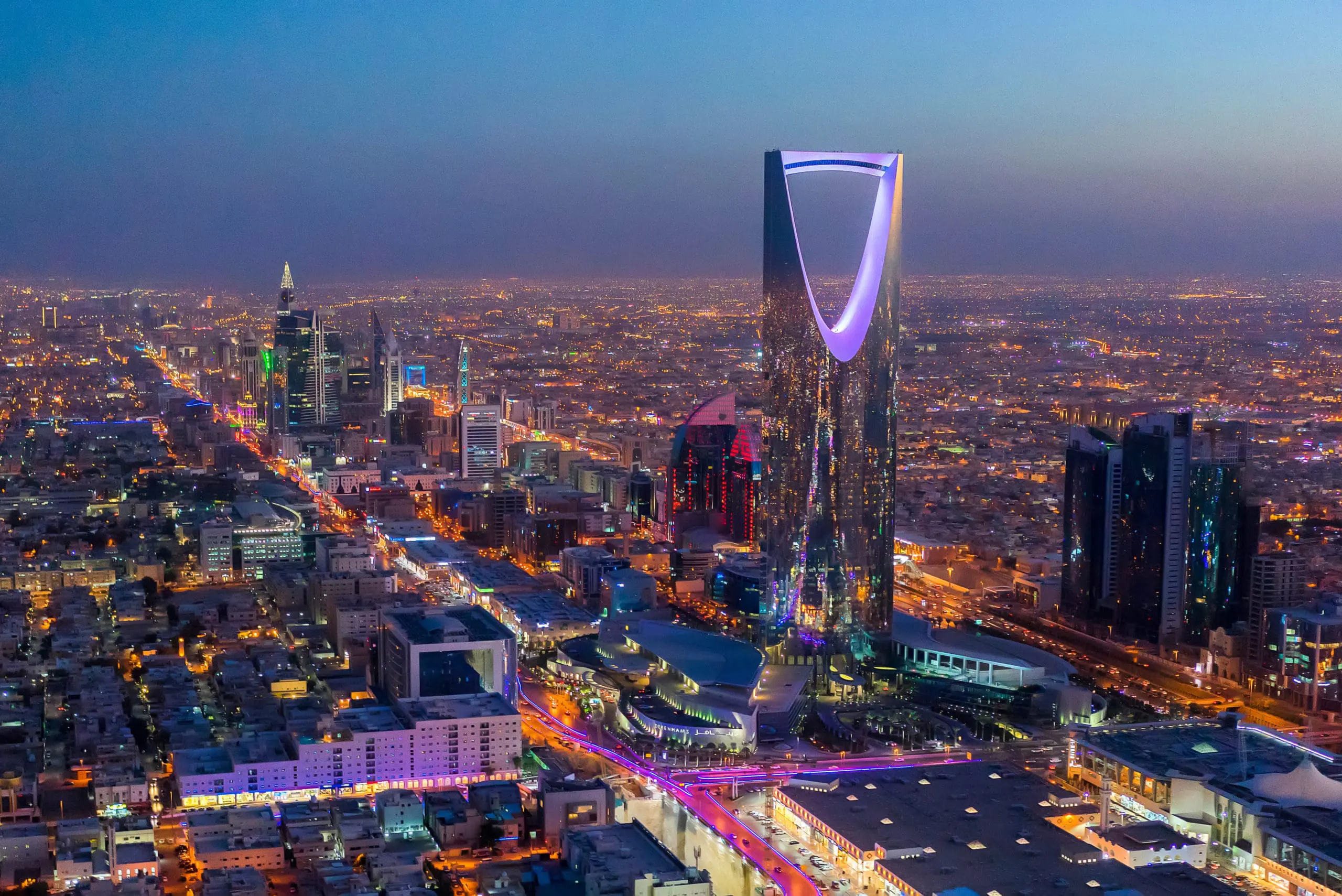
Saudi Arabia’s Vision 2030 is not just a strategic plan — it’s a transformational blueprint aimed at reshaping the Kingdom’s economy, society, and global position. Launched in 2016, this initiative marks a historic shift from oil-dependence to a diversified, innovation-driven economy.
In this blog post, we explore everything you need to know about Vision 2030 — from its goals and key projects to the opportunities and challenges along the way.
📜 The Origins of Vision 2030
In April 2016, Crown Prince Mohammed bin Salman unveiled Vision 2030, a long-term development plan aimed at:
Diversifying the economy
Creating jobs
Empowering youth and women
Modernizing society
Positioning Saudi Arabia as a global investment hub
This vision emerged as a response to the Kingdom’s economic vulnerability due to fluctuating oil prices, and a recognition of the need to prepare for a post-oil era.
🎯 The Three Pillars of Vision 2030
Vision 2030 is built on three strategic pillars:
1. A Vibrant Society
Preserving Islamic values while promoting cultural and recreational activities.
Enhancing quality of life, tourism, and arts.
Developing Saudi heritage and historical sites.
2. A Thriving Economy
Reducing unemployment.
Empowering the private sector.
Boosting foreign investments and non-oil revenues.
3. An Ambitious Nation
Enhancing government efficiency and transparency.
Engaging citizens in the nation-building process.
Strengthening global partnerships and diplomacy.
🏗️ Mega Projects Under Vision 2030
🏙️ 1. NEOM – The Futuristic Smart City
A $500 billion megacity spanning 26,500 square kilometers across Saudi Arabia, Egypt, and Jordan. It includes:
The Line: A 170 km linear smart city with no cars or carbon emissions.
Oxagon: A floating industrial city.
Trojena: A mountain tourism destination with skiing and eco-resorts.
🎢 2. Qiddiya Entertainment City
Located near Riyadh, Qiddiya will be the Kingdom’s entertainment capital, featuring:
Theme parks
Motorsport tracks
Performing arts venues
Outdoor adventure zones
🌊 3. The Red Sea Project
A luxury eco-tourism destination with coral reefs, nature reserves, and islands, focused on sustainability and conservation.
🕌 4. Diriyah Gate
A cultural and historical restoration project to turn Diriyah (birthplace of the Saudi Kingdom) into a global tourism and heritage destination.
💼 Economic Diversification and Investment
🔧 Non-Oil Sectors on the Rise
Vision 2030 targets a shift from oil to sectors like:
Tourism
Mining
Finance and FinTech
Logistics
Manufacturing
Renewable energy
📈 Saudi Public Investment Fund (PIF)
The PIF is central to Vision 2030, investing trillions of riyals in:
Domestic infrastructure
Global tech firms
Green energy
Sports and entertainment ventures
👩🎓 Empowerment of Youth and Women
Saudi Arabia is home to a young population — over 70% under the age of 35. Vision 2030 focuses on:
Educating youth in STEM and entrepreneurship
Reducing youth unemployment
Launching leadership programs
👩 Women’s Empowerment Milestones
Women allowed to drive (2018)
Entry into workforce, military, and politics
Legal reforms for travel, guardianship, and entrepreneurship
🕌 Tourism and Cultural Renaissance
For the first time in history, Saudi Arabia is opening its doors to international tourists through e-visas. Vision 2030 aims to:
Attract 100 million visitors annually by 2030
Develop UNESCO heritage sites
Host global events (F1, WWE, Expo 2030)
Examples of initiatives:
Riyadh Season, Jeddah Season (festivals and concerts)
AlUla: Ancient archaeological site turned tourist hub
🌱 Sustainability and Green Initiatives
Vision 2030 recognizes the need for climate resilience and environmental sustainability:
Saudi Green Initiative (SGI): Planting 10 billion trees
Middle East Green Initiative: Regional collaboration on climate action
Investing in solar, wind, and hydrogen energy
🏛️ Government Reforms and Transparency
Vision 2030 pushes for:
E-government and digital transformation
Anti-corruption campaigns
Privatization of state-owned enterprises (like Aramco IPO)
Improved regulatory framework for business and labor
📌 Challenges and Criticisms
Despite progress, Vision 2030 faces several challenges:
Human rights concerns draw international scrutiny.
High dependency on government funding for projects.
Resistance from conservative groups.
Workforce skill gaps and education mismatches.
Geopolitical tensions (e.g., with Iran, Yemen conflict).
🌟 Global Significance
Vision 2030 isn’t just about Saudi Arabia — it has global implications:
A reimagined Middle East with tech, tourism, and trade hubs.
New markets for international investors.
A shift in the global oil economy.
A test case for modernization in traditional societies.