


Introduction
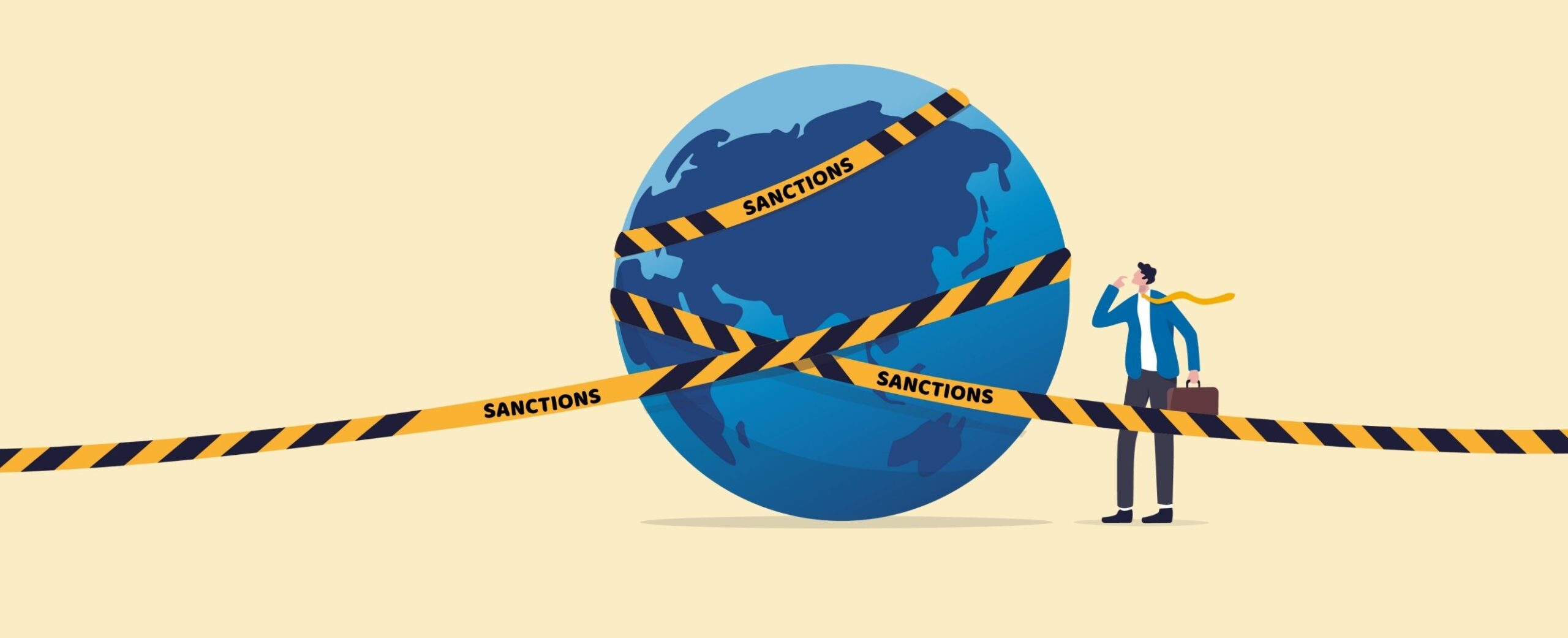
In the realm of international diplomacy and conflict resolution, sanctions have become one of the most potent tools available to governments and international organizations. From freezing assets to banning trade, sanctions aim to pressure states, groups, or individuals into compliance without resorting to armed conflict. But how effective are they really? What ripple effects do they create? This blog explores Sanctions Impact Reports—analytical assessments used to evaluate the reach and consequences of imposed sanctions on targeted nations, sectors, or entities.
What Are Sanctions?
Sanctions are economic, diplomatic, or military restrictions imposed by one or more countries to influence another country’s policies or actions. These may include:
Economic Sanctions: Trade bans, tariffs, or investment restrictions.
Financial Sanctions: Asset freezes or prohibitions on financial transactions.
Travel Sanctions: Visa bans or travel restrictions on individuals.
Sectoral Sanctions: Targeting specific industries like energy, banking, or defense.
What Are Sanctions Impact Reports?
Sanctions Impact Reports are detailed evaluations used by governments, international bodies, think tanks, and financial institutions to measure:
The effectiveness of a sanctions regime.
Economic and social impact on the targeted entity or population.
Unintended consequences for non-targeted sectors or third-party nations.
Compliance levels within multinational companies and financial systems.
These reports often use data analytics, field research, satellite imagery, and financial modeling.
Why Are They Important?
Policy Adjustment: Helps policymakers recalibrate or intensify sanctions.
Legal and Ethical Review: Ensures humanitarian concerns are not neglected.
Investor and Corporate Risk Assessment: Guides global companies in avoiding penalties or reputational damage.
International Diplomacy: Acts as a bargaining chip in negotiations or multilateral discussions.
Key Metrics Used in Impact Reports
GDP Decline: How much the sanctioned country’s economy has shrunk.
Inflation and Currency Devaluation: Effects on the local currency and inflation rates.
Trade Volume: Drop in imports/exports, especially with major partners.
Foreign Investment Trends: Capital flight or reduction in FDI.
Social Indicators: Rise in unemployment, poverty, or food insecurity.
Compliance Rate: How global financial institutions and corporations are adhering.
Real-World Case Studies
1. Russia (Post-2014 & 2022 Sanctions)
Impact reports revealed:
A steep drop in FDI.
Ruble depreciation and inflation spike.
Increased self-reliance and pivot to non-Western trade partners like China and India.
Massive state-driven digital currency and alternative payment network initiatives.
2. Iran (2010–2015 and 2018 Onward)
Findings showed:
Oil exports collapsed by over 75%.
Massive budget deficits and economic stagnation.
Humanitarian crises triggered by restrictions on medicine imports.
Rise in smuggling and informal trade channels.
3. North Korea
Reports consistently show:
GDP decline and extreme isolation.
Unaffected elite class due to internal redistribution and black markets.
Ineffectiveness in changing nuclear policy behavior.
Positive and Negative Outcomes
✅ Positive Outcomes:
Encouraged peaceful negotiations (e.g., JCPOA with Iran).
Restrained aggressive policies temporarily.
Sent strong political messages to the global community.
❌ Negative Outcomes:
Humanitarian crises affecting civilians more than leaders.
Strengthening of authoritarian regimes via “external enemy” narratives.
Diversion of trade to black markets and illicit networks.
Challenges in Creating Sanctions Impact Reports
Data Scarcity: Sanctioned countries often restrict access to accurate data.
Propaganda and Bias: Both sides may manipulate narratives.
Lag in Impact: Effects may take months or years to manifest.
Global Interdependencies: Ripple effects are hard to isolate.
Emerging Trends in Sanctions and Monitoring
Smart Sanctions: Focus on individuals or elite groups to minimize civilian suffering.
Blockchain-Based Monitoring: Tracing transactions and crypto usage in sanction evasion.
AI & Satellite Imagery: Monitoring factory activity, port traffic, and construction to detect economic trends.
Collaborative Reports: Joint assessments by the UN, EU, World Bank, and NGOs.