Introduction
In an era of misinformation, propaganda, and political manipulation, the ability of journalists to report freely and safely is more vital than ever. Yet, across the globe, media outlets and journalists are under increasing attack—through censorship, surveillance, imprisonment, and even assassination.
The Press Freedom Index, published annually by Reporters Without Borders (RSF), offers a crucial lens through which we can assess the health of democracy, transparency, and truth in every corner of the world.
What Is the Press Freedom Index?
The Press Freedom Index is an annual ranking of countries based on how freely journalists can operate. It evaluates:
Legal protections
Political influences
Media ownership and diversity
Journalist safety
Economic pressures
Digital threats
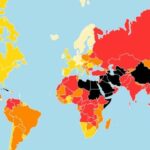
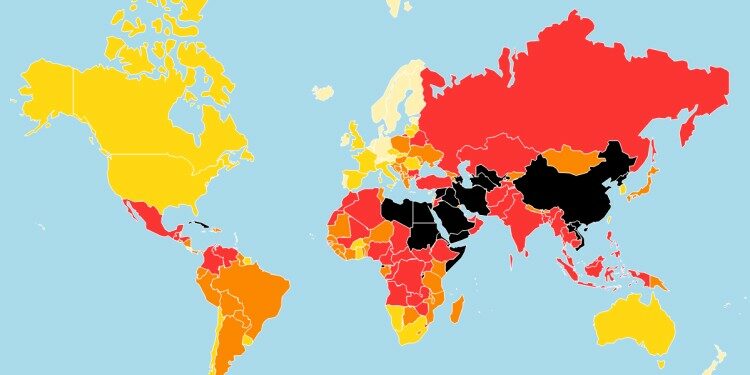
Each country receives a score out of 100, with a lower score representing better press freedom. Countries are grouped into five categories:
Good
Satisfactory
Problematic
Difficult
Very Serious
This index acts as a warning signal—a measure of how free or repressed information is in a given society.
How the Index Is Calculated
RSF assesses 180 countries using:
Expert surveys
Reports of violence or imprisonment
Laws restricting the press
Disinformation strategies
Media pluralism and transparency
The methodology is both qualitative and quantitative, and RSF updates its framework regularly to reflect evolving threats, including online harassment and AI-generated disinformation.
2024 Rankings at a Glance (Example Year)
Top 5 Countries (Most Free)
Norway – Consistently ranks first, with strong legal protections and public trust in media.
Ireland – High media independence and low political interference.
Denmark
Sweden
Finland
These countries feature a strong tradition of public broadcasting, transparent governance, and protections for whistleblowers.
Bottom 5 Countries (Least Free)
Vietnam – Heavily censored media; independent journalists are jailed.
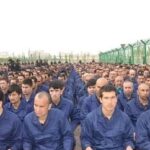
China – Strict state control, mass surveillance, and the Great Firewall.
Iran – Dozens of journalists imprisoned; widespread censorship.
Eritrea – No independent press; media acts as a government mouthpiece.
North Korea – Absolute control over information by the regime.
These countries operate state-run propaganda machines, criminalize dissent, and eliminate investigative journalism altogether.
Alarming Trends Around the World
📉 Decline in Democratic Countries
Even in democracies, the rise of populism, fake news, and political polarization has led to:
Attacks on journalists by political leaders
Concentration of media ownership
Spread of disinformation on social media
The U.S., India, and Brazil have seen notable declines in their scores in recent years.
🕵️♀️ Surveillance and Censorship
China’s model of digital authoritarianism—censorship, firewalls, AI surveillance—is spreading to other authoritarian states.
India has increased internet blackouts and jailed journalists covering Kashmir and protests.
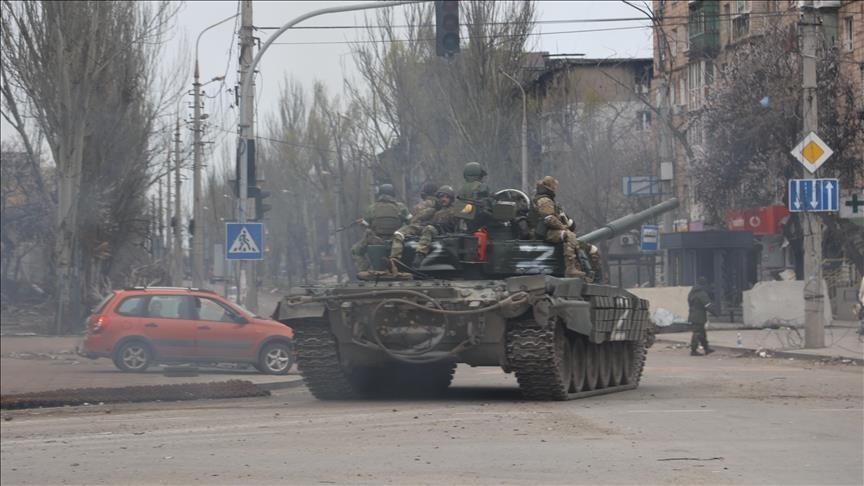
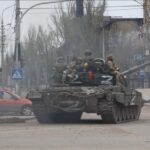
Russia’s crackdown on independent media worsened after its invasion of Ukraine.
💻 Digital Threats
Online harassment of journalists—especially women and minorities—is skyrocketing.
Disinformation campaigns, often state-sponsored, are muddying the waters of truth.
Why Press Freedom Matters
🗳️ 1. Cornerstone of Democracy
Free press ensures government accountability, exposes corruption, and informs the public.
📊 2. Economic Impact
Countries with press freedom often have:
More stable economies
Better foreign investments
Lower levels of corruption
🏥 3. Public Health & Safety
In times of crisis—like the COVID-19 pandemic—an open media is crucial for accurate, life-saving information.
🛡️ 4. Protection Against Tyranny
Where journalism dies, autocracy thrives. A silenced press often precedes human rights violations.