The Iran Nuclear Deal, formally known as the Joint Comprehensive Plan of Action (JCPOA), remains one of the most debated and geopolitically significant agreements of the 21st century. Since its inception in 2015, the deal has seen shifting commitments, global tensions, and repeated negotiations. In this blog post, we’ll explore the background, recent updates, international positions, and what the future might hold.
🧾 What is the Iran Nuclear Deal?
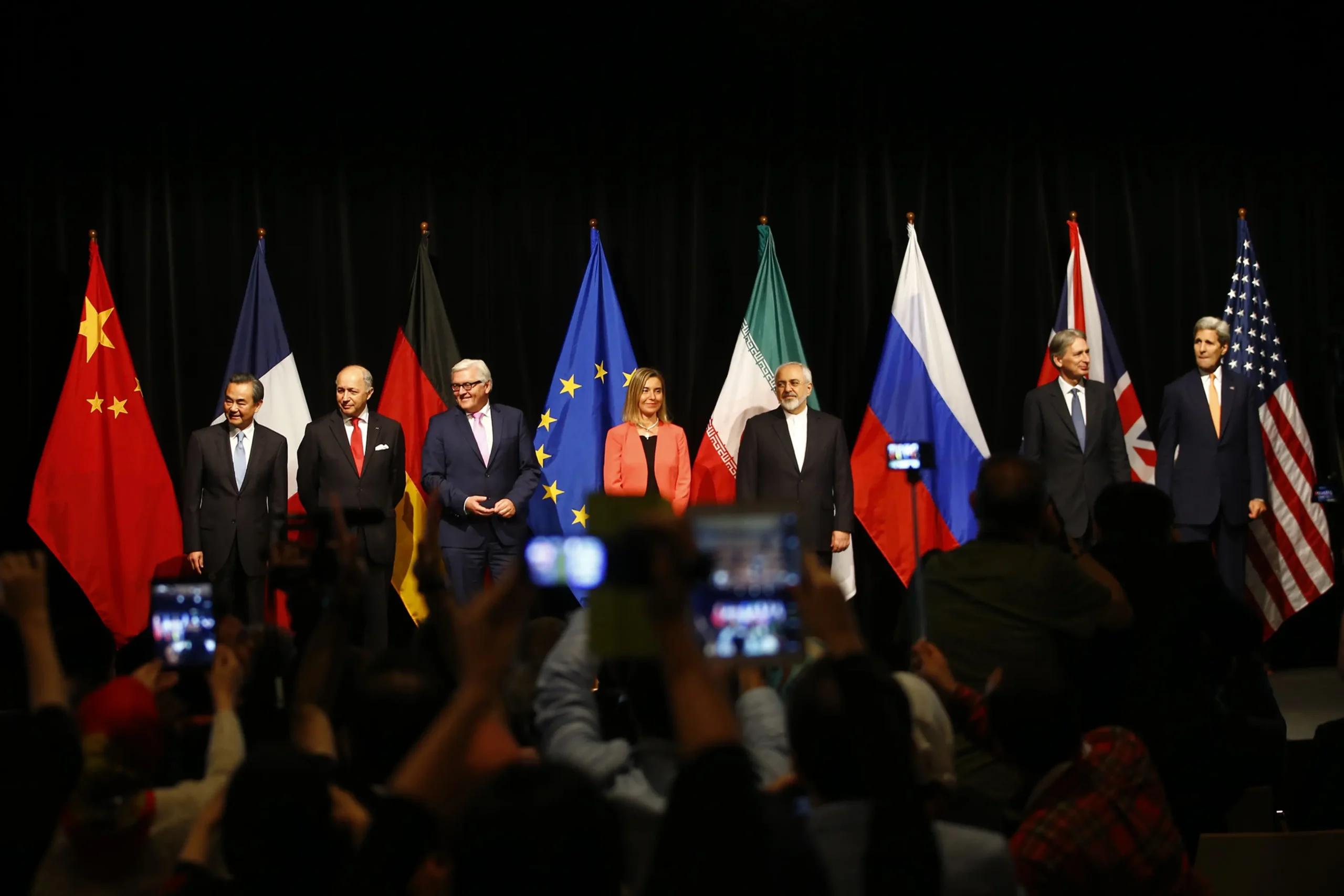
The JCPOA was signed on July 14, 2015, between Iran and the P5+1 nations:
United States
United Kingdom
France
Russia
China
Germany
European Union (observer role)
🧪 Core Objective
The primary goal was to prevent Iran from developing nuclear weapons, while allowing it to pursue peaceful nuclear energy under strict regulations. In return, the international community agreed to lift economic sanctions.
🛑 Key Provisions
Iran agreed to limit uranium enrichment to 3.67% (far below weapons-grade level).
Iran could possess no more than 300 kg of enriched uranium.
Heavy water reactors (like Arak) were redesigned to limit plutonium production.
The International Atomic Energy Agency (IAEA) was granted regular inspections.
In exchange, sanctions related to nuclear activities were gradually lifted.
🇺🇸 U.S. Withdrawal: The Turning Point
2018: U.S. Pulls Out
On May 8, 2018, President Donald Trump unilaterally withdrew the U.S. from the JCPOA, calling it a “horrible, one-sided deal”, and reimposed harsh economic sanctions on Iran under a “maximum pressure” campaign.
Consequences:
Iran’s economy suffered massive inflation and a sharp drop in oil exports.
Iran began scaling back compliance gradually.
The deal entered a fragile state as European powers struggled to keep it alive.
📉 Iran’s Response and Escalations
Following the U.S. withdrawal, Iran started violating key JCPOA limits:
1. Increased Enrichment
Iran increased uranium enrichment to 20% and later up to 60%, approaching weapons-grade levels (90%).
2. New Centrifuges
Advanced IR-4 and IR-6 centrifuges were deployed, increasing enrichment capacity.
3. IAEA Access Restricted
Iran began limiting IAEA inspections, especially after a sabotage attack at its Natanz facility (allegedly by Israel).
🗞️ Recent Developments: 2021–2024
🕊️ Biden Administration’s Efforts (2021–2022)
President Joe Biden expressed interest in rejoining the deal, but talks were complicated:
Indirect negotiations began in Vienna in 2021.
Iran demanded removal of all sanctions, including non-nuclear ones.
Disagreements emerged over the IRGC’s terrorist designation, nuclear rollback steps, and guarantees against future U.S. withdrawal.
⚔️ 2022 Stalemate
Despite near-agreement in early 2022, talks stalled over:
U.S. reluctance to delist the Islamic Revolutionary Guard Corps (IRGC) from its terrorist list.
Iran’s refusal to compromise without solid guarantees.
🧨 2023 Escalation
In 2023, tensions increased with:
Iran enriching uranium up to 84%, according to IAEA reports.
Military exchanges between Iranian-backed groups and U.S./Israeli forces in Syria and Iraq.
Israel continued sabotage operations targeting Iran’s nuclear sites.
📅 2024 Highlights
March 2024: Iran expelled several UN nuclear inspectors after criticism.
April 2024: U.S. and EU called for urgent diplomatic engagement.
May 2024: Reports surfaced of secret backchannel talks between Iran and European diplomats in Oman.
🌍 International Reactions
🇪🇺 European Union
The EU remains a mediator, pushing for revival of the JCPOA and urging both sides to compromise. However, internal EU divisions and limited leverage have slowed progress.
🇷🇺 Russia and 🇨🇳 China
Both support Iran’s right to peaceful nuclear energy and criticize U.S. unilateralism, but also want to prevent Iran from acquiring nuclear weapons.
🇮🇱 Israel
Israel remains the most vocal critic, claiming Iran is hiding nuclear weapon ambitions. It has vowed to act unilaterally if diplomacy fails.
🔬 Technical Status (as of 2024)
According to the latest IAEA reports:
Iran possesses over 20 times the uranium stockpile allowed under the JCPOA.
It continues to install advanced centrifuges.
Enrichment is now closer than ever to weapons-grade levels.
IAEA monitoring has become fragmented, raising global concern.