In the shadow of shifting alliances, fluctuating oil prices, and energy transitions, one group continues to hold the steering wheel of global oil politics: OPEC+. But in 2025, the game is no longer just about barrels—it’s about influence, sustainability, and survival in a world balancing fossil fuels and green energy.
Let’s break down the evolving power dynamics of OPEC+, the geopolitical moves behind production cuts, and what it all means for the global economy.
🛢️ Who is OPEC+?
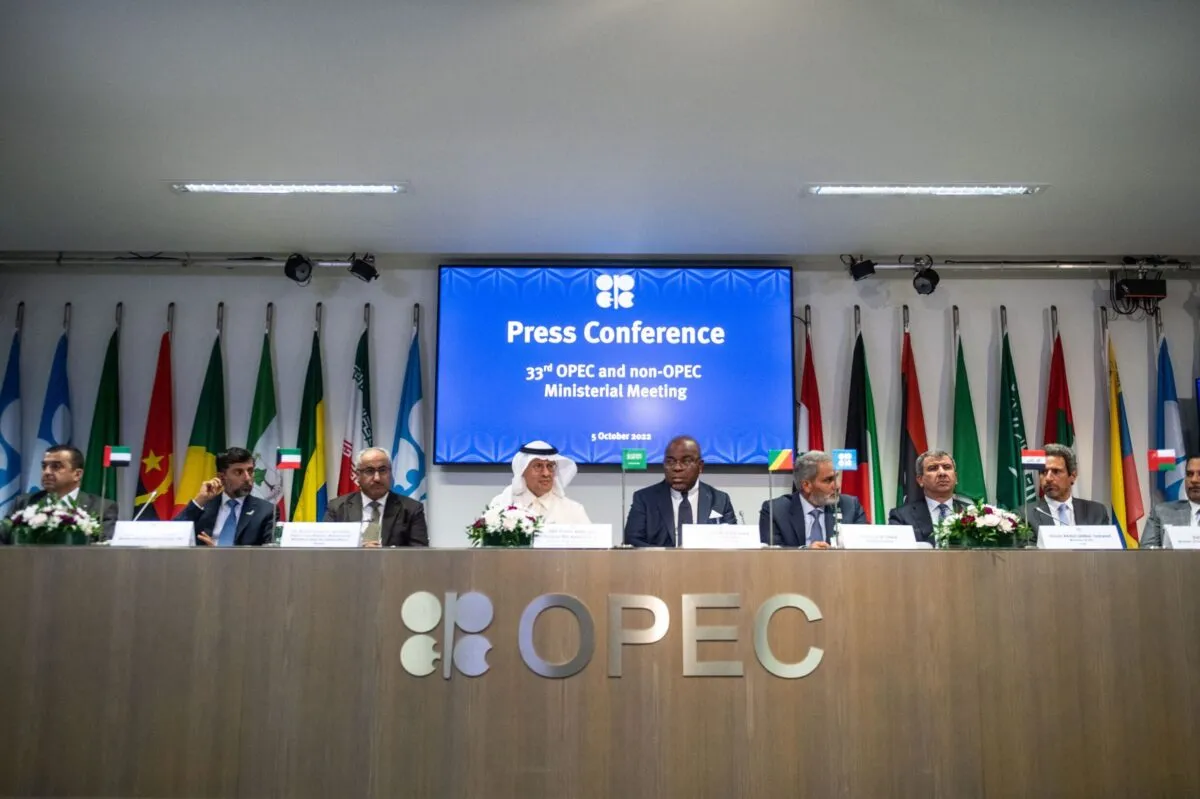
OPEC+ is an alliance of the 13-member OPEC bloc (led by Saudi Arabia) and 10 non-OPEC oil-producing nations, most notably Russia. Together, they control over 40% of the world’s oil supply and act as a de facto cartel, manipulating production levels to influence global oil prices.
🔥 OPEC+ in 2025: Strategic Shifts and Key Developments
1. Production Cuts to Stabilize Prices
January 2025: OPEC+ extended voluntary production cuts of 2.2 million barrels per day, led by Saudi Arabia and Russia, into the first half of the year.
This move aimed to counter weak global demand and price volatility, especially amidst slowing Chinese and European growth.
2. Balancing U.S. Shale and Green Energy
U.S. shale production rebounded in 2025, putting pressure on OPEC+ to hold prices above $80/barrel.
With rising global investment in renewables, OPEC+ faces a longer-term existential threat—how to remain relevant in a decarbonizing world.
3. Geopolitical Leverage
OPEC+ production decisions are increasingly tied to geopolitical motives:
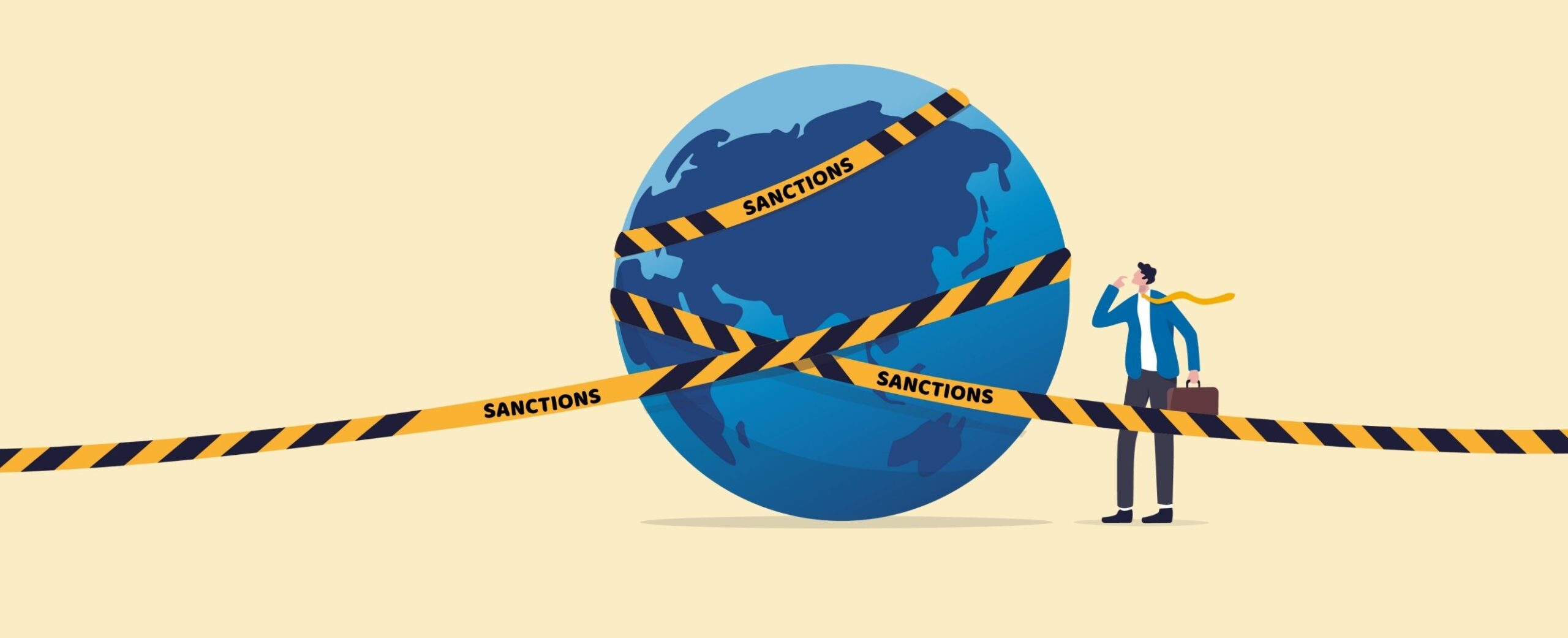
Russia uses oil diplomacy to offset Western sanctions.
Saudi Arabia leverages its energy influence to shape foreign policy in Africa and Asia.
Smaller members like Nigeria and Angola are pushing for revised quotas to match new exploration outcomes.
🌍 Global Impact of OPEC+ Decisions
🏭 1. Inflation and Energy Costs
Oil prices directly influence transportation, manufacturing, and agricultural sectors.
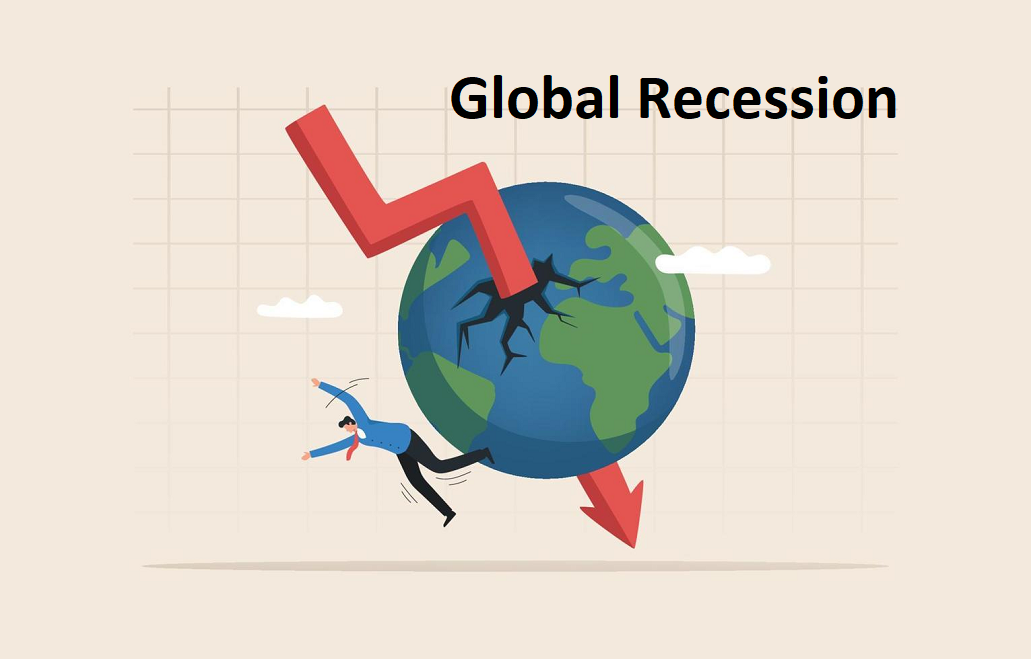
Production cuts in 2025 triggered a short-term oil price spike, contributing to stubborn inflation in Europe and Asia.
📉 2. Currency Volatility
Oil-importing nations (like India and Japan) saw pressure on their currencies due to rising import bills.
Oil-exporting countries (like UAE, Russia, and Venezuela) gained short-term fiscal relief but remained vulnerable to demand shocks.
💼 3. Investment Flows
High prices benefit fossil fuel investments but delay the clean energy transition in developing economies.
Meanwhile, institutional investors are increasingly scrutinizing OPEC+ members over climate commitments.
🌱 OPEC+’s Energy Future: Adapt or Decline?
With climate goals tightening, even OPEC+ members are making tentative moves:
Saudi Arabia: Investing billions in hydrogen and carbon capture.
UAE: Hosting COP28 drove internal reforms on sustainable energy.
Russia: Facing isolation, it’s expanding its oil exports to Asia while testing alternative energy partnerships.
Yet the group remains deeply tied to oil revenue, making the transition complex and politically sensitive.
🧠 Final Thought: OPEC+ Is Still the Puppet Master—For Now
Despite growing calls for a post-oil future, OPEC+ remains a critical player in global economics. In 2025, its influence lies not only in its ability to move markets—but in how it reshapes the conversation around energy, geopolitics, and economic justice.
The world may be going green, but oil politics still fuels the engine of global diplomacy.