



In recent years, election interference has emerged as a critical threat to democratic processes worldwide. From cyberattacks and misinformation campaigns to covert foreign influence and voter suppression tactics, these covert operations challenge the integrity, transparency, and fairness of elections—the very foundation of democracy.
Election interference refers to any action—whether by domestic or foreign actors—that aims to manipulate, disrupt, or undermine electoral processes to influence outcomes or weaken public confidence. As technology and geopolitics evolve, so do the tactics employed, making election security a top priority for governments, watchdogs, and civil society.
🔎 Types of Election Interference
Cyber Attacks
Targeting election infrastructure such as voter databases, voting machines, and electoral commission systems.
Examples include hacking, data breaches, and denial-of-service attacks that can disrupt voting or manipulate results.
Disinformation and Misinformation
Coordinated campaigns on social media spreading false or misleading information to confuse voters, sow distrust, or promote certain candidates.
Bots, fake accounts, and trolls amplify divisive content to polarize societies.
Foreign Influence Operations
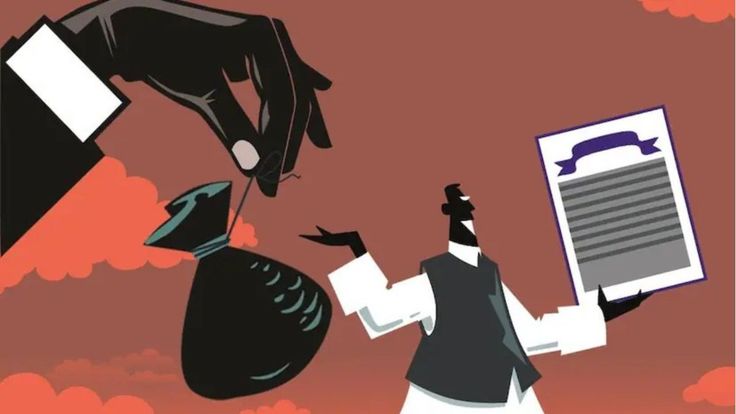
Covert actions by foreign governments to sway elections through funding, propaganda, or covert alliances.
Often involve cyber espionage, targeted advertising, or illicit funding of political groups.
Voter Suppression
Tactics designed to discourage or prevent specific groups from voting, including legal restrictions, misinformation about voting procedures, or intimidation.
Manipulation of Electoral Processes
Includes ballot stuffing, vote buying, intimidation of election officials, and tampering with vote counts.
🌍 Global Examples of Election Interference
2016 United States Presidential Election: A watershed moment highlighting cyber intrusions by Russian intelligence agencies, disinformation campaigns on social media, and attempts to exploit political divisions.
2017 French Presidential Election: Efforts to leak stolen data and amplify fake news aimed at influencing voter opinions.
2018 Brazilian Elections: Misinformation spread widely via WhatsApp and social networks, affecting voter perception.
Multiple African Nations: Reports of foreign and domestic interference through both cyber means and traditional voter suppression tactics.
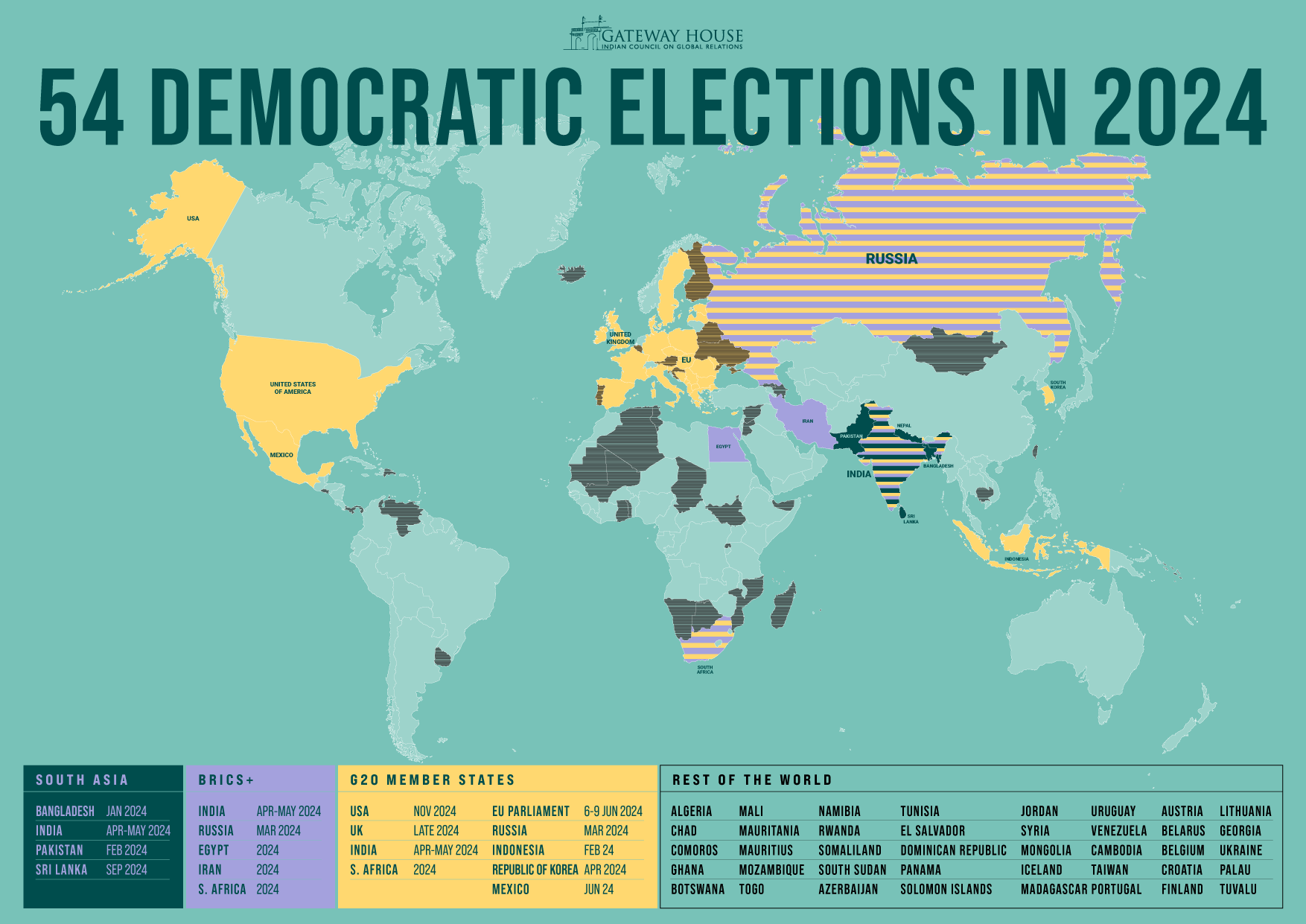
European Union Elections: Concerns about interference from Russia and other actors targeting EU parliamentary elections with coordinated misinformation.
🛡️ Mechanisms to Detect and Prevent Interference
Election Monitoring and Audits
Independent election observers and audits ensure transparency and integrity.
Cybersecurity Measures
Hardened election infrastructure with advanced encryption, intrusion detection, and rapid response teams.
Media Literacy and Fact-Checking
Public education campaigns to identify misinformation and promote critical thinking.
Legal Frameworks
Laws regulating political advertising, campaign finance, and penalties for interference.
International Cooperation
Sharing intelligence and best practices among countries and multilateral organizations.
Technology Solutions
Use of blockchain, secure voting apps, and transparent digital logs to safeguard votes.
⚠️ Challenges and Concerns
Rapid Technological Change: New tools create both vulnerabilities and opportunities for interference.
Anonymity and Attribution: Difficulty in tracing attacks back to perpetrators complicates response.
Political Polarization: Heightened divisions make societies more susceptible to manipulation.
Globalized Influence: Foreign actors can now reach local electorates quickly and covertly.
Balancing Security and Privacy: Ensuring election security without infringing on voter privacy and rights.
🔮 The Road Ahead
Protecting electoral integrity requires a multi-layered, adaptive approach involving governments, private sector, civil society, media, and voters themselves. The battle against election interference is ongoing, demanding vigilance, transparency, and innovation.
Efforts include:
Strengthening democratic institutions.
Investing in resilient and secure election technologies.
Fostering international norms and agreements to deter interference.
Empowering voters with accurate information and tools to resist manipulation.