
Introduction
Cuba’s political landscape has long been dominated by its unique socialist system, shaped by the Cuban Revolution of 1959 and the leadership of Fidel Castro. However, in recent years, Cuba has been experiencing significant political transitions, driven by generational change, economic pressures, and shifting international dynamics. This blog explores Cuba’s evolving political transition, its challenges, and what the future may hold for this iconic Caribbean nation.
1. Historical Background
Cuba’s political system has been a one-party socialist state since 1959, with the Communist Party of Cuba (PCC) as the sole political authority. Under Fidel Castro’s leadership, Cuba established:
Universal healthcare and education.
A centrally planned economy.
Strong anti-imperialist foreign policies, especially against the United States.
Raúl Castro, Fidel’s brother, succeeded him in 2008 and initiated cautious reforms aimed at economic modernization while maintaining political control.
2. Recent Political Changes
Leadership Transition
In 2018, Miguel Díaz-Canel became the first president since the revolution without the Castro surname, marking a generational shift.
The 2019 constitution introduced changes such as:
Recognition of private property.
Establishment of the presidency as a separate office from the Communist Party leader.
Term limits for the presidency.
Economic Reforms
The government has expanded small private businesses.
Efforts to attract foreign investment have increased.
However, the economy still faces significant challenges, including US sanctions and the COVID-19 pandemic’s impact.
3. Social and Political Pressures
Public Dissent and Protests
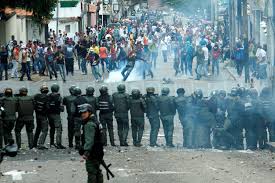
In July 2021, Cuba experienced its largest protests in decades, sparked by economic hardship, food shortages, and demands for political freedoms.
The government responded with a mix of repression and limited concessions.
Role of Social Media and Youth
The younger generation, more connected globally through social media, is increasingly vocal about reforms.
Calls for greater political pluralism and freedom of expression are rising.
4. Challenges to Transition
The Communist Party remains firmly in control, limiting political competition.
Economic hardship exacerbates social tensions.
The US embargo continues to impact the economy and international relations.
Balancing reform with regime stability is a delicate act for Cuban leadership.
5. International Context
Cuba’s relations with the US have fluctuated, from Obama’s thawing of ties to the Trump administration’s re-tightening of sanctions.
Cuba maintains strong ties with countries like Russia, China, and Venezuela.
International actors play a role in both supporting reforms and influencing Cuba’s political trajectory.
6. What Lies Ahead?
Cuba’s political transition is likely to be gradual and controlled by the existing leadership, with limited openings for opposition voices. Key factors shaping the future include:
Economic recovery and diversification.
Pressure for political reforms from both domestic and international sources.
The ability of new leadership to address citizens’ demands without losing control.