


Introduction
Climate change is one of the defining challenges of our time, but its effects are not felt equally. Vulnerable communities, often least responsible for greenhouse gas emissions, face the harshest impacts—rising sea levels, extreme weather, food insecurity, and health crises.
Enter Climate Justice Movements—a powerful wave of activism that links environmental sustainability with social and economic equity. This blog explores what climate justice means, key movements leading the charge, their goals, and how you can get involved.
What Is Climate Justice?
Climate Justice centers on the idea that climate change is not just an environmental issue but a human rights and social justice issue. It recognizes that:
The global poor, Indigenous peoples, and marginalized groups disproportionately suffer climate impacts.
Historical emissions by wealthy nations have contributed most to the crisis.
Solutions must be equitable, addressing inequalities and respecting human rights.
Climate justice demands accountability, reparations, and inclusive decision-making.
Key Principles of Climate Justice Movements
Equity and Fairness
Climate policies must prioritize those most affected and ensure fair distribution of resources.Recognition of Historical Responsibility
High-emitting countries and corporations should bear the burden of mitigation and adaptation costs.Participation and Inclusion
Marginalized communities must have a seat at the table in climate negotiations.Respect for Indigenous Rights
Protecting Indigenous lands and knowledge is crucial in climate solutions.
Major Climate Justice Movements & Campaigns
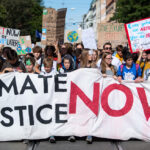
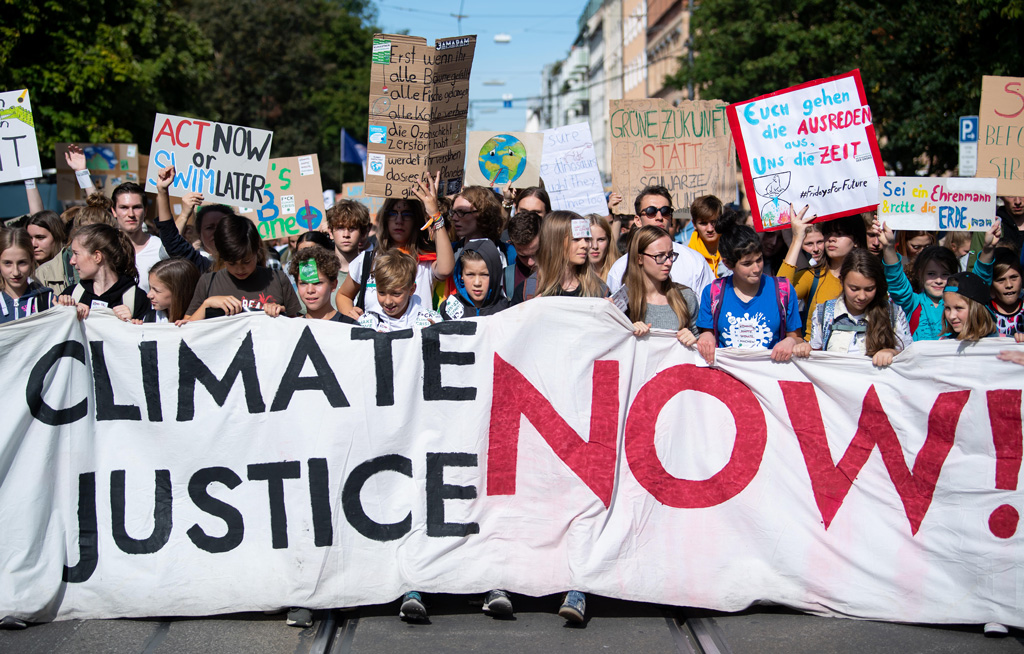
1. Fridays for Future
Inspired by Greta Thunberg, this youth-led global movement demands urgent climate action and highlights social inequities in climate policies.
2. Extinction Rebellion (XR)
XR uses non-violent civil disobedience to demand governments declare climate emergencies and implement radical reforms.
3. Indigenous Environmental Network (IEN)
IEN advocates for Indigenous sovereignty and environmental protection, often at the frontlines of fossil fuel resistance.
4. 350.org
An international organization that campaigns to reduce atmospheric CO2 levels and supports frontline communities.
5. Sunrise Movement
A U.S.-based youth movement focused on climate justice and creating green jobs through the Green New Deal.
Climate Justice and Global Inequality
Developing countries often bear the brunt of disasters but lack resources for adaptation.
Climate change exacerbates poverty, displacement, and food insecurity.
Wealthy nations’ commitments to climate finance and technology transfer remain inadequate.
Climate Justice in Action: Success Stories
The Paris Agreement includes references to equity and common but differentiated responsibilities.
Grassroots movements have successfully stopped destructive pipelines and mining projects.
Community-led renewable energy initiatives empower marginalized populations.
Challenges Faced by Climate Justice Movements
Corporate lobbying and fossil fuel interests often block meaningful policy change.
Climate policies can sometimes overlook social justice, leading to “green gentrification.”
Marginalized voices are still underrepresented in global climate forums.
How You Can Support Climate Justice
Educate yourself on how climate change intersects with social justice.
Support Indigenous-led campaigns and frontline communities.
Advocate for policies that include equity and reparations.
Reduce your carbon footprint while pushing for systemic change.
Join or donate to climate justice organizations.