




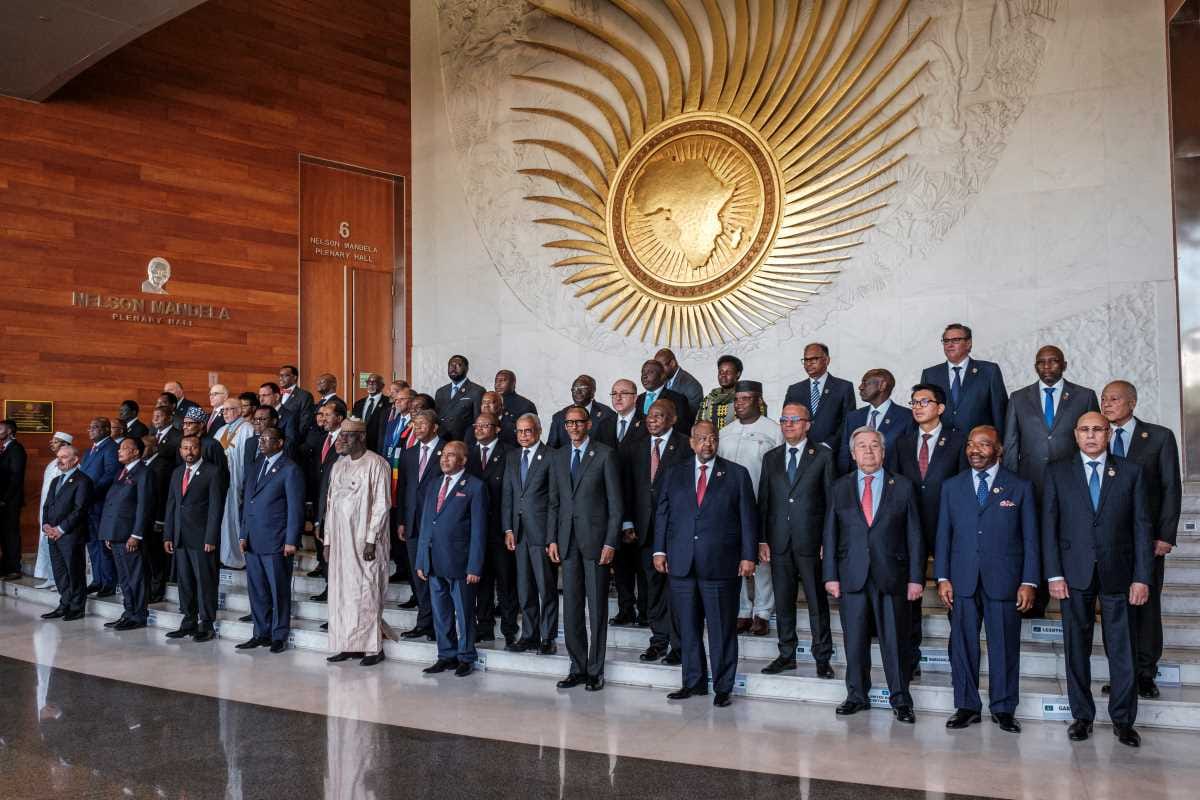
The African Union (AU) represents one of the most ambitious and significant regional integration efforts in modern global history. With 55 member states, the AU plays a critical role in shaping Africa’s political, economic, and social trajectory. From peacekeeping to trade agreements, digital transformation to health innovation — AU developments are shaping the future of a rising continent.
In this article, we’ll explore the history of the AU, its goals, major initiatives, recent developments, and its growing impact on both the African people and the global stage.
🕊️ A Brief History of the African Union
The African Union was officially launched on July 9, 2002, in Durban, South Africa, succeeding the Organisation of African Unity (OAU) which had been founded in 1963. The shift to the AU signified a stronger, more integrated Africa, with new goals focused on:
Economic development
Political stability
Human rights
Pan-African unity
Today, the AU is headquartered in Addis Ababa, Ethiopia, and consists of all 55 countries on the African continent.
🎯 Core Objectives of the AU
The African Union aims to:
Promote peace, security, and stability
Accelerate economic integration and sustainable development
Foster democracy and good governance
Advance human rights and gender equality
Strengthen Africa’s voice on the global stage
🔑 Major Developments and Initiatives
1. AfCFTA – African Continental Free Trade Area
Launched in 2021, AfCFTA is one of the most transformative initiatives by the AU. It’s the largest free trade area in the world by number of participating countries.
Key features:
Covers 1.4 billion people
Combined GDP of over $3 trillion
Aims to eliminate tariffs on 90% of goods
Boosts intra-African trade and job creation
Progress Update (2024):
Over 46 countries have ratified the agreement.
Pilot shipments have started between several member states.
Digital trade platforms and logistics harmonization are underway.
2. Silencing the Guns Initiative
A flagship peace and security project that seeks to end all wars and armed conflicts in Africa by creating a peaceful environment for development.
Achievements:
Peace agreements in South Sudan and Central African Republic
AU-led mediation in Ethiopia’s Tigray conflict
Enhanced early warning systems and conflict prevention mechanisms
3. Digital Transformation Strategy for Africa (2020–2030)
With an aim to make Africa a digitally empowered society, this strategy includes:
Expanding internet access to rural areas
Supporting digital literacy and startups
Building a common African digital market
Promoting AI, cybersecurity, and e-governance
Recent Milestones:
Pan-African e-commerce platforms are being piloted.
Mobile money services and fintechs are flourishing across East and West Africa.
Cross-border digital ID systems are in development.
4. AU Health Strategy and Africa CDC
The Africa Centres for Disease Control and Prevention (Africa CDC) was instrumental during the COVID-19 pandemic, and it continues to lead:
Vaccination drives
Epidemic preparedness
Health infrastructure improvements
New Health Developments:
Launch of the African Medicines Agency (AMA) to regulate pharmaceuticals
Focus on manufacturing vaccines within Africa (e.g., in Rwanda, Senegal, South Africa)
5. Climate Action and Green Growth
Africa faces severe climate challenges, from droughts to desertification. The AU’s climate and environment strategies aim to:
Promote renewable energy (solar, wind, hydro)
Enhance climate resilience in agriculture
Invest in reforestation and biodiversity conservation
Key Programs:
African Great Green Wall
African Adaptation Initiative
Africa Renewable Energy Initiative
6. Gender Equality and Youth Empowerment
The AU’s Agenda 2063 places a strong focus on empowering women and youth, recognizing them as the driving force of the continent’s transformation.
Recent Actions:
More women are holding leadership roles in AU bodies.
Youth Envoy programs are promoting entrepreneurship and innovation.
Education reforms are aligning with digital economies and green jobs.
7. AU’s Global Role and Strategic Partnerships
Africa is becoming a more assertive global actor, with the AU:
Gaining permanent member status in the G20 (2023)
Partnering with the EU, China, India, and the US
Engaging in multilateral diplomacy, including at the UN, WTO, and WHO
These developments ensure Africa’s interests are represented in global decision-making forums.
⚖️ Challenges the AU Still Faces
Despite progress, the African Union must navigate:
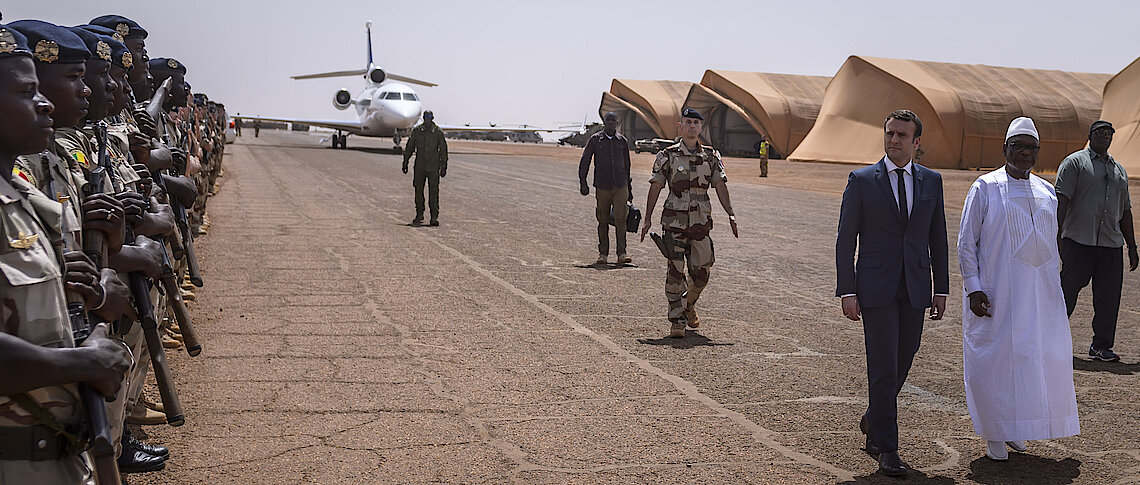
Persistent political instability and coups (e.g., in Sudan, Mali, Niger)
Economic disparity between nations
Slow infrastructure development
Corruption and governance issues
Struggles with funding and self-financing
🔮 The Road Ahead – AU Vision 2063
The AU’s Agenda 2063 is a long-term blueprint for a united, prosperous, and peaceful Africa. It envisions:
A single passport for all Africans
A continental high-speed rail network
A unified African defense and security architecture
A common currency and central bank
Africa becoming a leading global player