




The internet, as we know it, is undergoing a massive transformation. With the rise of Web3 and the adoption of Decentralized Apps (DApps), the future of the digital world is shifting from centralized control to decentralized ownership. This new era promises more user control, privacy, security, and freedom.
But what exactly are Web3 and DApps? How do they differ from the traditional web? And what can we expect from these technologies in the future? In this article, we will explore the principles of Web3, the power of decentralization, and the evolution of decentralized applications (DApps)—how they work, and why they are poised to revolutionize industries ranging from finance to social media and beyond.
🧠 What Is Web3?
Web3 represents the third generation of the internet, shifting away from the traditional, centralized Web2, which is controlled by tech giants like Google, Facebook, and Amazon. Web3 aims to create a decentralized internet where individuals have control over their data, digital identity, and transactions.
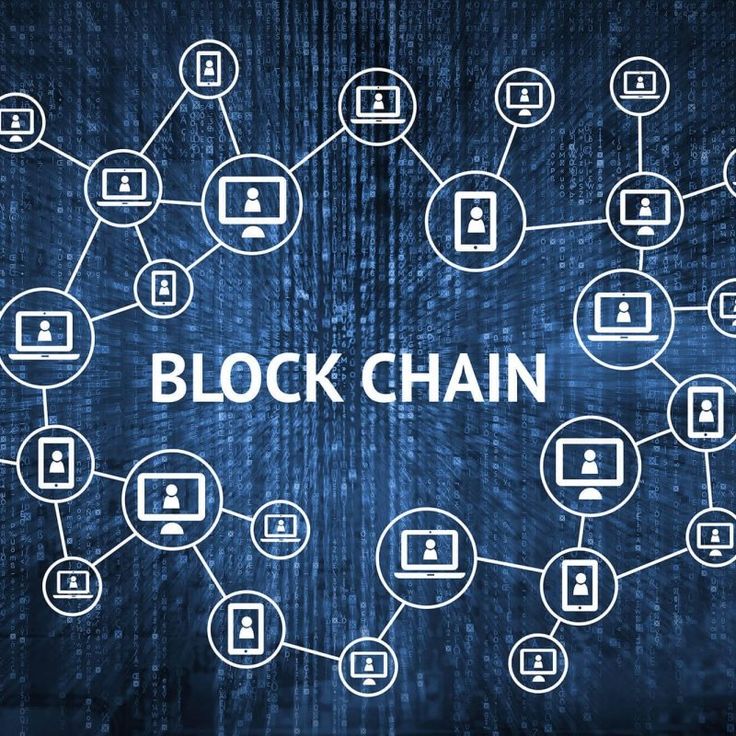
In Web2, users rely on central platforms (such as social media sites, search engines, or online stores) to store their data, create content, and interact. These platforms monetize user information, often without users’ full consent. In contrast, Web3 is powered by blockchain technology, enabling a peer-to-peer network where users are in control of their assets, information, and online interactions.
📌 Key Characteristics of Web3:
Decentralized: No central authority or entity controls the data or application. Instead, data is stored across multiple nodes in a network.
User Ownership: Users own their data, digital identities, and assets. Blockchain and cryptographic systems allow users to control access.
Tokenization: Web3 relies heavily on tokens (cryptocurrencies and NFTs) to facilitate transactions and reward participants.
Trustless: Smart contracts and blockchain consensus mechanisms ensure transactions and agreements are secure without the need for intermediaries.
Interoperability: Web3 applications can communicate across different blockchain platforms seamlessly, creating a more connected ecosystem.
💻 What Are Decentralized Applications (DApps)?
Decentralized Applications (DApps) are applications that run on a decentralized network, typically built using blockchain technology. Unlike traditional apps that rely on central servers or data centers, DApps leverage the distributed nature of blockchains to ensure that no single party has control over the application or its data.
DApps can exist in various domains—ranging from finance (DeFi), gaming, social networks, supply chain management, to even healthcare. The beauty of DApps is that they allow users to interact directly with each other in a trustless, decentralized manner, removing the need for intermediaries.
📌 Features of DApps:
Open Source: DApps are typically open-source, meaning that anyone can access, modify, or contribute to the codebase.
Blockchain-based: DApps operate on blockchains like Ethereum, Binance Smart Chain (BSC), Polkadot, and others.
Smart Contracts: DApps use smart contracts to automate transactions and ensure that they execute only under predefined conditions.
Tokenization: DApps often integrate tokens (cryptocurrency) to enable transactions, governance, or rewards within the ecosystem.
Decentralization: No single entity has control over the DApp, and the data is stored across the network rather than on centralized servers.
🏦 Web3 & DApps in Action: Real-World Examples
1. Decentralized Finance (DeFi)
DeFi applications enable financial services without banks or intermediaries. DeFi platforms allow users to lend, borrow, trade, and earn interest on their cryptocurrency holdings. Popular DeFi DApps include:
Uniswap: A decentralized exchange (DEX) that allows users to swap various cryptocurrencies directly from their wallets.
Aave: A decentralized lending platform where users can borrow or lend crypto assets.
Compound: A decentralized money market platform offering interest-bearing accounts and borrowing services.
2. Non-Fungible Tokens (NFTs)
NFTs represent ownership of unique digital assets, such as art, music, collectibles, and virtual real estate. They are powered by blockchain technology, ensuring that ownership can be tracked and transferred. NFT marketplaces like OpenSea, Rarible, and Foundation allow users to buy, sell, and mint NFTs in a decentralized manner.
3. Gaming and Metaverse
Blockchain-based gaming and metaverse platforms are among the most exciting use cases for DApps. Games like Axie Infinity, Decentraland, and The Sandbox leverage blockchain technology to enable:
Ownership of in-game assets: Players own characters, items, and land in the form of NFTs.
Play-to-Earn models: Gamers can earn real income by participating in gameplay and trading in-game items as NFTs.
Decentralized Virtual Real Estate: Users can buy, sell, and trade land and properties within virtual worlds.
4. Decentralized Social Media
Web3 promises a future where social media platforms are not controlled by large corporations, and users are incentivized to create and share content. Platforms like Steemit, Mastodon, and Mirror offer decentralized alternatives to traditional social media, where creators can earn tokens or cryptocurrency for their contributions.
5. Supply Chain and Healthcare
DApps are also revolutionizing industries like supply chain management and healthcare by providing transparency, security, and efficiency. For example:
VeChain offers a blockchain-based solution for tracking goods and ensuring supply chain integrity.
Healthereum is a platform that uses blockchain technology to incentivize patient engagement and improve healthcare outcomes.
🚀 The Advantages of Web3 & DApps
1. Increased Privacy and Security
Web3 allows users to own and control their own data. With end-to-end encryption and privacy-focused protocols, DApps enhance user privacy by eliminating the need to share personal data with centralized authorities.
2. User Empowerment
In the Web3 ecosystem, users are in control. Whether it’s owning digital assets (NFTs) or participating in decentralized governance (through DAOs), Web3 allows users to have a stake in the platforms they engage with.
3. Censorship Resistance
Because DApps run on decentralized networks, they are inherently resistant to censorship. No central authority can take down or block access to a DApp, ensuring freedom of speech, transparency, and fair participation.
4. Interoperability
Web3 and DApps are designed to work across multiple blockchain networks. This interoperability enables a more connected digital ecosystem, where users can seamlessly move assets and data between platforms without friction.
⚠️ Challenges of Web3 & DApps
1. Scalability
The decentralized nature of blockchains often leads to slower transaction speeds and higher costs, especially during periods of high demand. Solutions like Layer 2 scaling (e.g., Polygon, Optimism) are being developed to address these issues.
2. User Experience
For mainstream adoption, Web3 applications need to improve their user experience (UX). Wallet setups, transaction fees, and the complexity of blockchain interactions can be barriers for non-technical users.
3. Regulatory Concerns
As Web3 technologies disrupt traditional industries, governments are exploring regulations to govern decentralized platforms, cryptocurrencies, and digital assets. The outcome of these regulatory efforts could impact the future growth and development of Web3.
4. Adoption
While Web3 offers many benefits, its adoption is still in the early stages. Educating users, developers, and businesses about Web3’s potential is essential for wider adoption.
🔮 The Future of Web3 & DApps
Web3 and DApps are still in their infancy, but the future looks promising. As blockchain technology advances and the ecosystem matures, we can expect:
Mainstream adoption of decentralized applications across all sectors.
Improved scalability with advanced blockchain protocols.
Enhanced user experiences, making it easier for non-tech-savvy users to interact with Web3.
Governance models through Decentralized Autonomous Organizations (DAOs), giving users a direct say in decision-making.
Web3 is not just about decentralized finance or NFTs—it’s about creating a new internet where users have the power, control, and ownership over their digital lives.