




Introduction
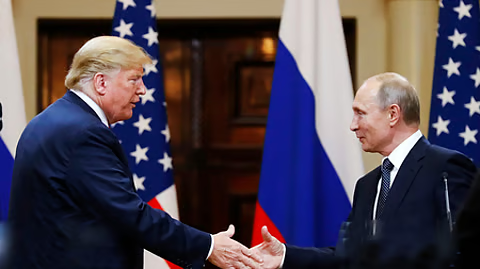
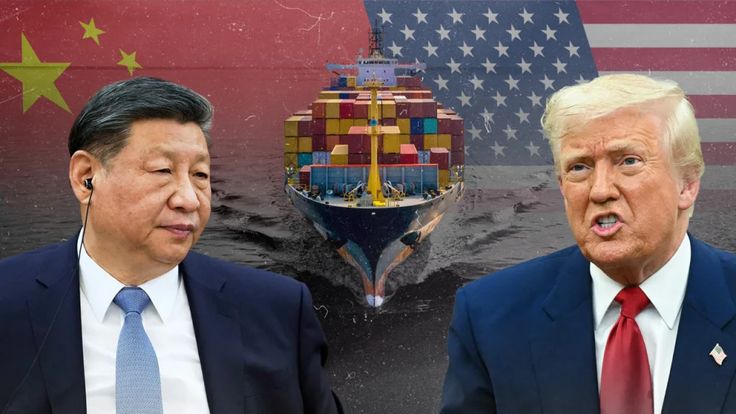
The United States has long maintained a network of military alliances that extend across the globe, playing a pivotal role in shaping international security dynamics. These alliances, formed in the aftermath of World War II and during the Cold War, remain a cornerstone of U.S. foreign policy and defense strategy. In 2025, U.S. military alliances are more critical than ever as the world faces new challenges, including emerging threats from near-peer competitors like China and Russia, regional conflicts, and global issues like cyber warfare and terrorism.
This blog post will explore the significance of U.S. military alliances, key partnerships, and how they continue to evolve in response to shifting geopolitical dynamics in 2025.
The Legacy of NATO: Strengthening Transatlantic Security
The North Atlantic Treaty Organization (NATO) remains one of the most important military alliances for the United States, founded in 1949 to counter the Soviet threat during the Cold War. Today, NATO continues to provide collective security for its member states, including the U.S., Canada, and most European countries.
In 2025, NATO faces new challenges. While its primary mission remains to safeguard the security of its members, NATO has had to adapt to modern threats, including cyberattacks, hybrid warfare, and the increasing militarization of space. The ongoing conflict in Ukraine, with Russia’s continued aggression, has reinvigorated NATO’s relevance as a deterrent force against Russian expansionism. The U.S. plays a leading role in NATO, with significant military assets deployed in Eastern Europe and the Baltic States as a response to Russia’s assertiveness in the region.
Additionally, NATO has focused on strengthening its partnerships with other global powers, such as Japan and Australia, through the Indo-Pacific strategy. The U.S. is working to ensure that NATO’s deterrence posture is capable of responding to evolving global threats, including the rise of China in the Indo-Pacific and growing regional instability in the Middle East.
The U.S.-Japan Alliance: A Cornerstone of Pacific Security
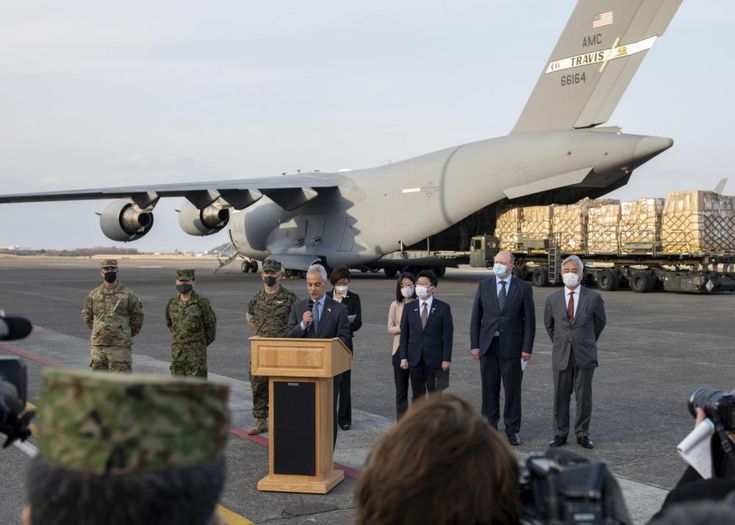
In the Indo-Pacific region, the U.S.-Japan alliance remains one of the most important military partnerships. Since the end of World War II, Japan has relied on the U.S. security umbrella, allowing the U.S. to station military forces in Japan. This alliance is vital to maintaining peace and stability in East Asia, particularly as tensions rise over the South China Sea, North Korea’s nuclear ambitions, and China’s growing influence.
In 2025, the U.S.-Japan security relationship is stronger than ever. Both countries have expanded their military cooperation, conducting joint military exercises, improving intelligence-sharing, and modernizing their defense capabilities. The U.S. military bases in Japan provide a strategic advantage in responding to threats in the region, including the potential for Chinese aggression in Taiwan or the Korean Peninsula.
Furthermore, Japan is becoming more proactive in its defense policy, with Prime Minister Fumio Kishida advocating for increased military spending and closer ties with the U.S. to counter China’s rise. This growing partnership reflects a shift in Japan’s defense posture from post-World War II pacifism to a more robust and proactive security strategy.
The U.S.-South Korea Alliance: Countering North Korean Threats
South Korea is another crucial U.S. military ally, especially as tensions with North Korea remain high. The U.S.-South Korea alliance, which dates back to the Korean War, continues to provide a strong defense posture on the Korean Peninsula. U.S. forces stationed in South Korea act as a deterrent to North Korean aggression and provide a framework for regional stability.
In 2025, North Korea remains a persistent threat, with continued missile tests and nuclear weapons development. The U.S. and South Korea’s joint military exercises and intelligence-sharing agreements remain central to the deterrence strategy. Both countries have also worked to strengthen ties with other regional powers, such as Japan and Australia, to counterbalance China’s growing influence in the Indo-Pacific.
The U.S.-South Korea alliance is evolving to address not only traditional military threats but also emerging challenges such as cyber warfare and the security of critical infrastructure. North Korea’s increasing use of cyberattacks has led to increased cooperation between the two nations in cybersecurity and technology protection.
The U.S.-Australia Alliance: Countering Indo-Pacific Challenges
The U.S.-Australia alliance has become increasingly important in the context of U.S. efforts to counter China’s rising influence in the Indo-Pacific. Since World War II, Australia has been one of the U.S.’s closest allies, and their shared interests in regional security have deepened in recent years. In 2025, Australia’s strategic location and robust defense capabilities make it an invaluable partner for the U.S. as it seeks to maintain a free and open Indo-Pacific.
The U.S. and Australia have deepened their cooperation through the AUKUS pact (Australia, the U.K., and the U.S.), which includes the transfer of nuclear-powered submarines to Australia, as well as enhanced intelligence-sharing and military technology collaboration. This partnership is aimed at countering China’s growing military presence in the South China Sea and the Pacific Ocean.
Australia has also contributed to various U.S.-led military initiatives in the region, including humanitarian assistance operations, anti-terrorism efforts, and peacekeeping missions. As the U.S. pivots its strategic focus to the Indo-Pacific, Australia’s role in the alliance becomes even more critical.
The U.S.-Israel Alliance: A Pillar of Middle Eastern Security
The U.S.-Israel alliance remains one of the most important and enduring military partnerships in the Middle East. Since the establishment of Israel in 1948, the U.S. has been Israel’s most important ally, providing military aid, advanced defense technologies, and diplomatic support. The alliance is rooted in shared democratic values and strategic interests in the Middle East.
In 2025, the U.S. continues to support Israel’s security with the latest military technologies, including advanced missile defense systems like Iron Dome and David’s Sling. The U.S. also provides Israel with intelligence-sharing and joint military exercises to counter regional threats from Iran, Hezbollah, and Palestinian militant groups.
The Middle East remains a volatile region, and Israel’s security concerns, particularly related to Iran’s nuclear ambitions, are at the forefront of U.S. foreign policy. The U.S. and Israel continue to work closely on defense matters, including counterterrorism operations and the defense of critical infrastructure. The U.S. has also been an advocate for peace efforts in the region, though the Israeli-Palestinian conflict remains unresolved.
The U.S.-Saudi Arabia Alliance: A Complex Partnership
The U.S.-Saudi Arabia alliance has been shaped by shared interests in oil security and counterterrorism efforts. Saudi Arabia, as a key regional player in the Middle East, has been a critical partner for the U.S. in maintaining stability in the region, especially in countering Iran’s influence.
In 2025, the U.S.-Saudi relationship remains complex, with cooperation continuing in areas like defense sales, counterterrorism, and energy security. However, human rights concerns and Saudi Arabia’s involvement in the Yemen conflict have led to tensions between the two countries, particularly under the Biden administration.
Despite these challenges, the U.S. and Saudi Arabia continue to coordinate military efforts, particularly in countering Iranian influence in the region. Saudi Arabia has also increased its defense spending, modernizing its military with advanced U.S. technology, including missile defense systems and fighter jets.