




Introduction to Web Development
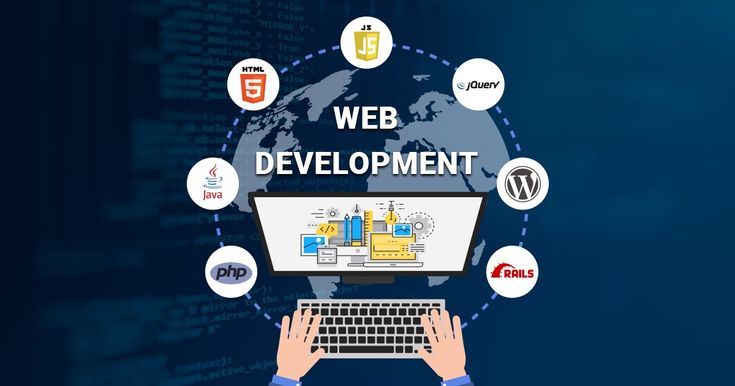
Web development has transformed how we interact with the digital world, creating everything from simple blogs to complex web applications. This comprehensive guide explores both frontend (client-side) and backend (server-side) development without focusing on code specifics.
Understanding the Web Development Ecosystem
Modern web development consists of three core components:
Frontend Development – Everything users see and interact with
Backend Development – The server-side operations and data management
Full-Stack Development – Combining both frontend and backend skills
1: Frontend Development Essentials
Core Technologies of Frontend Development
HTML (HyperText Markup Language)
The structural foundation of all websites
Uses semantic elements for better accessibility and SEO
Current standard is HTML5 with enhanced multimedia capabilities
CSS (Cascading Style Sheets)
Controls visual presentation and layout
Includes responsive design techniques for all device sizes
Advanced features like animations and transitions
JavaScript
Adds interactivity and dynamic behavior
Powers modern web applications
Works with various frameworks and libraries
Frontend Frameworks and Libraries
Popular Choices Include:
React – Facebook’s library for building user interfaces
Vue – Progressive framework for building UIs
Angular – Google’s comprehensive framework
Svelte – Compiler-based approach to building interfaces
Frontend Development Tools
Essential Tools for Developers:
Code editors like Visual Studio Code
Version control with Git and GitHub
Browser developer tools
Package managers like npm or Yarn
Build tools like Webpack or Vite
Frontend Best Practices
Key Considerations:
Mobile-first responsive design
Web accessibility standards
Performance optimization
Cross-browser compatibility
Progressive Enhancement strategy
2: Backend Development Fundamentals
Understanding Backend Components
Server-Side Programming
Processes requests from the frontend
Handles business logic
Manages data storage and retrieval
Database Management
Stores and organizes application data
Includes SQL and NoSQL options
Handles data relationships and queries
API Development
Creates communication channels
RESTful and GraphQL approaches
Handles data formatting (JSON, XML)
Backend Technologies and Frameworks
Common Backend Languages:
JavaScript (Node.js)
Python
Ruby
PHP
Java
C#
Popular Frameworks:
Express (Node.js)
Django (Python)
Ruby on Rails
Laravel (PHP)
Spring Boot (Java)
Backend Architecture Patterns
Common Approaches:
Monolithic architecture
Microservices architecture
Serverless computing
API-first development
3: Full-Stack Development Approach
Connecting Frontend and Backend
Integration Methods:
API consumption
Authentication flows
Real-time communication
Data synchronization
Popular Development Stacks
Common Combinations:
MERN (MongoDB, Express, React, Node.js)
MEAN (MongoDB, Express, Angular, Node.js)
LAMP (Linux, Apache, MySQL, PHP)
Django Stack (Python, Django, PostgreSQL)
4: The Web Development Process
Project Lifecycle Stages
Planning and Analysis
Requirement gathering
Technical specifications
Architecture planning
Design Phase
UI/UX design
Prototyping
Style guides
Development Phase
Frontend implementation
Backend development
Database design
Testing Phase
Unit testing
Integration testing
User acceptance testing
Deployment and Maintenance
Hosting setup
Continuous integration
Ongoing updates
5: Emerging Trends in Web Development
Modern Web Technologies
Innovations Shaping the Future:
Progressive Web Apps (PWAs)
WebAssembly for high-performance
AI and machine learning integration
Voice interface development
Web3 and blockchain concepts
Performance and Optimization
Key Focus Areas:
Core Web Vitals metrics
Image and asset optimization
Caching strategies
Content Delivery Networks (CDNs)
6: Career Paths in Web Development
Professional Opportunities
Frontend Roles:
Frontend Developer
UI/UX Developer
JavaScript Developer
Backend Roles:
Backend Developer
API Specialist
Database Administrator
Full-Stack Roles:
Full-Stack Developer
Solutions Architect
Technical Lead
Skills Development Roadmap
For Beginners:
Master HTML/CSS fundamentals
Learn JavaScript basics
Understand responsive design
Explore version control
For Intermediate Developers:
Deepen framework knowledge
Learn backend concepts
Study database management
Practice API integration
For Advanced Professionals:
Master performance optimization
Learn security best practices
Explore cloud deployment
Study advanced architecture patterns
7: Learning Resources and Tools
Recommended Learning Paths
Free Resources:
Mozilla Developer Network (MDN)
FreeCodeCamp curriculum
Google Web Fundamentals
Paid Courses:
Udemy web development paths
Coursera specializations
Frontend Masters courses
Essential Development Tools
Must-Have Applications:
Code editors (VS Code, Sublime Text)
Browser developer tools
API testing tools (Postman)
Design collaboration tools (Figma)