



1. Enhanced Defense Spending
The Trump administration has urged NATO allies to increase defense spending to 5% of GDP, up from the previous 2% target. This proposal is set to be discussed at the upcoming NATO summit in The Hague on June 25, 2025. While some countries, like Poland, are approaching this target, others, including Belgium and Spain, currently fall short. The U.S. emphasizes the need for fair treatment of American defense firms in Europe’s military buildup to maintain NATO cohesion and innovation.
2. Nuclear Deterrence and European Autonomy
In response to concerns over the U.S. military presence in Europe, French President Emmanuel Macron has expressed openness to stationing French nuclear weapons in other European countries. This proposal aims to bolster Europe’s defense against Russia while maintaining French control over its nuclear arsenal. However, this initiative has raised questions about NATO’s strategic cohesion and the balance of power within the alliance.
3. Turkey’s Strategic Importance
Turkey has emerged as a key player in European security due to its growing military capacity, strategic geographic position, and robust defense industry. With NATO’s largest armed forces in Europe, Turkey controls critical Black Sea shipping lanes and plays a pivotal role in regional defense. Despite concerns over democratic backsliding, Turkey’s military capabilities make it indispensable to NATO’s defense strategy.
🌍 Global Security Challenges and NATO’s Response
1. Iran’s Regional Threat
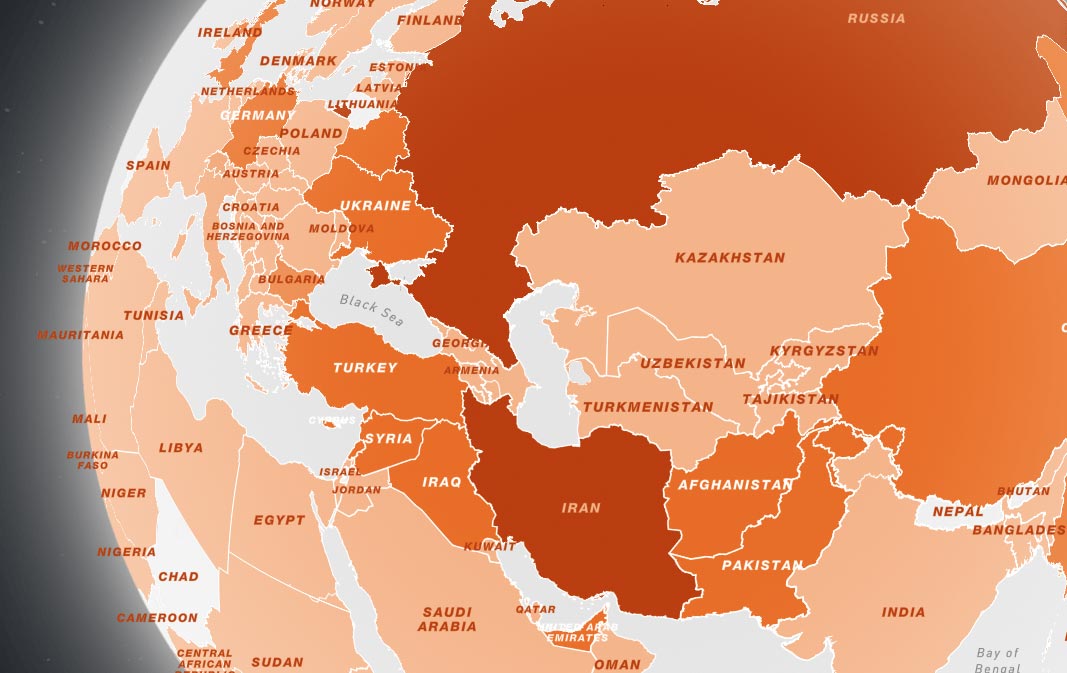
Iran’s missile programs and pursuit of nuclear weapons pose significant risks to regional and Euro-Atlantic security. NATO has identified these developments as a growing concern and is monitoring the situation closely.
2. Modern Warfare and NATO’s Readiness
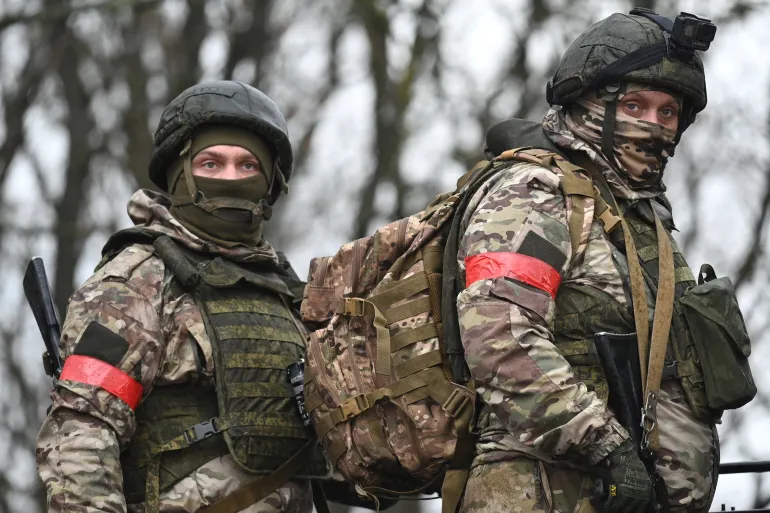
Ukraine’s former commander-in-chief, Valerii Zaluzhnyi, has warned that NATO’s current military doctrines are outdated compared to the rapidly evolving nature of modern warfare. He emphasizes the need for a comprehensive overhaul in tactics, organization, training, doctrine, and budgeting to address contemporary threats effectively.
3. Cybersecurity and Hybrid Threats
NATO is increasingly focusing on cybersecurity and hybrid threats, including cyber attacks on critical infrastructure and information warfare. Initiatives like the “Baltic Sentry” operation aim to enhance NATO’s presence in the Baltic Sea and protect undersea communication and energy cables from potential sabotage.
🗓️ Upcoming NATO Summit: The Hague 2025
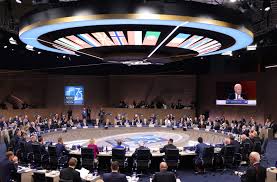
The 2025 NATO Summit in The Hague will be a pivotal event, addressing key issues such as defense spending, strategic autonomy, and the alliance’s future direction. Discussions will include:
-
Defense Spending Targets: Debating the proposed increase to 5% of GDP and exploring alternative models for burden-sharing
-
Nuclear Deterrence: Assessing France’s proposal for stationing nuclear weapons in other European countries.
-
Strategic Autonomy: Evaluating Europe’s capacity to defend itself independently of the U.S. military presence.
-
Ukraine’s NATO Membership: Discussing Ukraine’s potential membership and continued support amid ongoing conflicts