




Introduction to Sleep Apnea and Breathing Disorders
Sleep apnea and other breathing disorders are serious medical conditions that disrupt normal breathing during sleep. These disorders can lead to fragmented sleep, low oxygen levels, and long-term health complications if left untreated.
Sleep apnea is one of the most common sleep-related breathing disorders, affecting millions of people worldwide. However, other conditions, such as snoring, upper airway resistance syndrome (UARS), and hypopnea, can also contribute to poor sleep quality and daytime fatigue.
In this comprehensive guide, we’ll explore:
Types of sleep apnea and breathing disorders
Common symptoms and risk factors
Diagnosis and treatment options
Lifestyle changes to improve sleep quality
Types of Sleep Apnea and Breathing Disorders
1. Obstructive Sleep Apnea (OSA)
Obstructive Sleep Apnea (OSA) is the most common form of sleep apnea, occurring when the throat muscles relax excessively during sleep, blocking the airway. This leads to repeated pauses in breathing, often followed by choking or gasping for air.
Key Characteristics:
Loud snoring
Frequent awakenings
Morning headaches
Excessive daytime sleepiness
2. Central Sleep Apnea (CSA)
Central Sleep Apnea (CSA) is less common and occurs when the brain fails to send proper signals to the muscles that control breathing. Unlike OSA, CSA is not caused by a physical blockage but rather by a neurological issue.
Key Characteristics:
Pauses in breathing without snoring
Shortness of breath upon waking
Difficulty staying asleep
Associated with heart or neurological conditions
3. Complex Sleep Apnea Syndrome (Treatment-Emergent CSA)
Also known as mixed sleep apnea, this condition is a combination of OSA and CSA. It may develop in some patients undergoing treatment for OSA with CPAP therapy.
4. Upper Airway Resistance Syndrome (UARS)
UARS is a milder form of sleep-disordered breathing where the airway narrows, increasing breathing effort but not causing full apneas. It still leads to sleep fragmentation and daytime fatigue.
Key Characteristics:
Light, unrefreshing sleep
Frequent awakenings
Similar symptoms to insomnia
5. Hypopnea (Shallow Breathing)
Hypopnea involves abnormally shallow or slow breathing during sleep, reducing oxygen levels. It is often associated with OSA.
Symptoms of Sleep Apnea and Breathing Disorders
The signs of sleep apnea and related disorders can vary, but common symptoms include:
Loud, chronic snoring (especially in OSA)
Gasping or choking during sleep
Excessive daytime fatigue
Morning headaches or dry mouth
Difficulty concentrating or memory problems
Mood changes, irritability, or depression
High blood pressure (due to low oxygen levels)
Decreased libido or erectile dysfunction
Note: Not everyone who snores has sleep apnea, but loud, frequent snoring is a major warning sign.
Risk Factors for Sleep Apnea
Several factors increase the likelihood of developing sleep apnea:
1. Physical Factors
Obesity (excess fat around the neck can obstruct the airway)
Large neck circumference (over 17 inches in men, 16 inches in women)
Narrow airway or enlarged tonsils/adenoids
Facial structure (receding chin, overbite)
2. Lifestyle and Health Conditions
Smoking and alcohol use (relaxes throat muscles)
Sedative use (muscle relaxants, sleeping pills)
Chronic nasal congestion
Heart disease, diabetes, or high blood pressure
3. Age and Gender
Men are 2-3 times more likely to have sleep apnea than women
Risk increases with age, especially after 40
Postmenopausal women have a higher risk due to hormonal changes
Diagnosis: How Is Sleep Apnea Detected?
If sleep apnea is suspected, a doctor may recommend:
1. Sleep Study (Polysomnography)
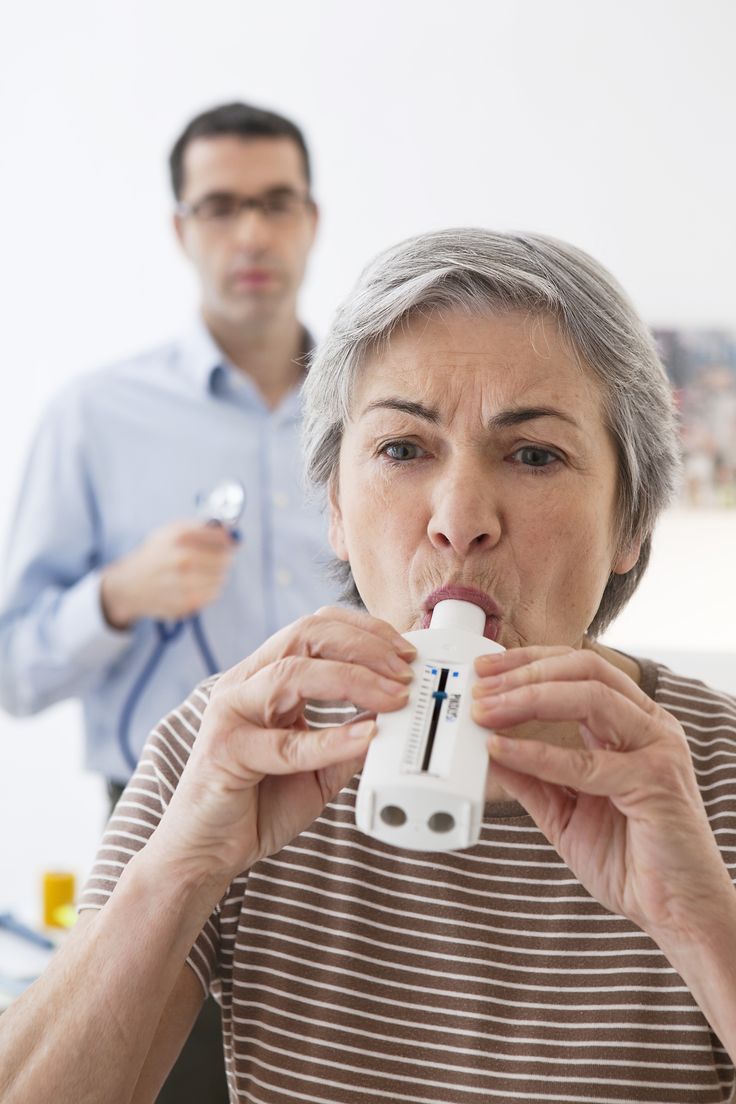
Conducted in a sleep lab, monitoring brain waves, oxygen levels, heart rate, and breathing patterns.
2. Home Sleep Apnea Test (HSAT)
A portable device tracks breathing, oxygen levels, and heart rate at home.
3. Physical Exam & Medical History
Evaluation of symptoms, neck size, and risk factors.
Treatment Options for Sleep Apnea & Breathing Disorders
1. Continuous Positive Airway Pressure (CPAP) Therapy
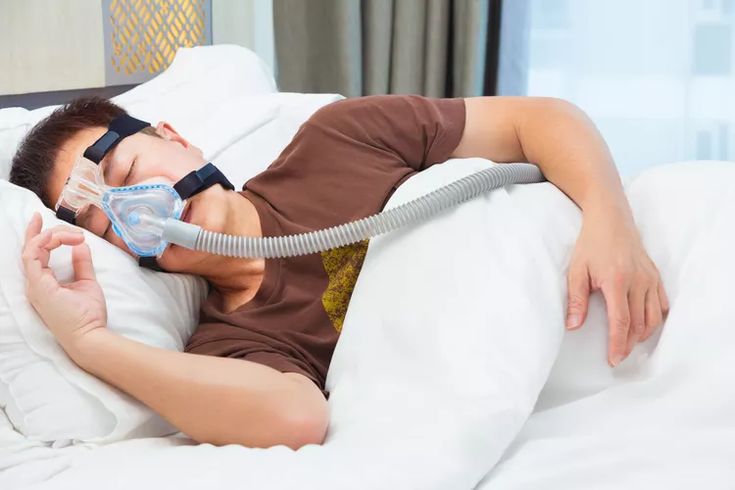
The gold standard treatment for OSA, CPAP delivers steady air pressure through a mask to keep the airway open.
2. BiPAP and APAP Machines
BiPAP provides variable pressure for inhalation/exhalation.
APAP auto-adjusts pressure based on breathing patterns.
3. Oral Appliances (Mandibular Advancement Devices)
Custom-fitted dental devices reposition the jaw to prevent airway collapse.
4. Surgery (For Severe Cases)
Uvulopalatopharyngoplasty (UPPP) – Removes excess throat tissue.
Maxillomandibular Advancement (MMA) – Repositions the jaw.
Inspire Therapy – Implanted device stimulates airway muscles.
5. Lifestyle Changes
Weight loss (even 10% reduction can improve symptoms)
Sleeping on your side (reduces airway obstruction)
Avoiding alcohol and sedatives before bed
Nasal decongestants or allergy treatments
Long-Term Risks of Untreated Sleep Apnea
Ignoring sleep apnea can lead to severe health complications, including:
High blood pressure & heart disease
Type 2 diabetes
Stroke
Memory loss & dementia
Increased risk of accidents (due to drowsiness)