

Introduction to Pulmonary Rehabilitation
Pulmonary rehabilitation is a comprehensive program designed to improve the well-being of individuals living with chronic respiratory conditions, such as Chronic Obstructive Pulmonary Disease (COPD), asthma, pulmonary fibrosis, and other lung diseases. The program combines physical exercise, education, and support to help patients manage their symptoms, improve their lung function, and enhance their overall quality of life.
What Is Pulmonary Rehabilitation?
Pulmonary rehabilitation (PR) is a medically supervised program that involves tailored exercises, breathing techniques, education, and psychological support. It aims to reduce symptoms such as shortness of breath, increase physical endurance, and teach patients how to effectively manage their condition. By improving lung function, patients can better perform daily activities, gain confidence, and reduce their reliance on hospital visits.
Who Should Consider Pulmonary Rehabilitation?
Pulmonary rehabilitation is suitable for individuals with:
Chronic Obstructive Pulmonary Disease (COPD): COPD is a progressive lung disease that causes difficulty breathing. It is one of the most common reasons for pulmonary rehabilitation.
Asthma: Individuals with severe or uncontrolled asthma may benefit from rehabilitation to learn better breathing techniques and manage symptoms.
Interstitial Lung Disease (ILD): This category includes diseases such as pulmonary fibrosis, where lung tissue becomes scarred and hinders breathing.
Lung Cancer: Patients recovering from lung cancer surgery or undergoing treatment can benefit from pulmonary rehab.
Other Chronic Respiratory Diseases: Individuals with any chronic condition affecting lung health, including those with obesity or heart disease, may find rehabilitation helpful.
Benefits of Pulmonary Rehabilitation
Improved Breathing Efficiency: Patients learn specific breathing techniques that help increase oxygen intake and reduce breathlessness.
Increased Exercise Capacity: Through a carefully designed exercise regimen, patients can build strength, endurance, and stamina, making it easier to perform everyday tasks.
Reduced Symptoms: Pulmonary rehab has been shown to reduce the severity of symptoms such as fatigue, coughing, and shortness of breath.
Psychological Support: Chronic lung diseases often come with emotional challenges like anxiety and depression. Pulmonary rehabilitation includes counseling to improve mental health and build coping mechanisms.
Enhanced Quality of Life: As patients gain better control over their condition, they experience an overall improvement in their quality of life, including a return to social activities and increased independence.
Lower Risk of Hospitalization: Pulmonary rehabilitation helps reduce the frequency of flare-ups, thus decreasing the need for hospital admissions.
Components of Pulmonary Rehabilitation
Exercise Training:
Endurance Exercise: Patients engage in aerobic exercises such as walking, cycling, or treadmill training to improve cardiovascular fitness and stamina.
Strength Training: Resistance exercises help improve muscle strength, especially for the muscles involved in breathing, such as the diaphragm and chest muscles.
Flexibility and Balance: Stretching exercises and balance training help reduce the risk of falls and enhance overall mobility.
Breathing Exercises:
Pursed Lip Breathing: This technique helps slow down breathing and improves the exchange of oxygen and carbon dioxide, providing relief during moments of shortness of breath.
Diaphragmatic Breathing: By focusing on the diaphragm, this technique helps reduce the effort needed for breathing and improves lung function.
Education:
Understanding the Disease: Patients learn about the nature of their respiratory condition, its progression, and how to manage it effectively.
Lifestyle Changes: Nutrition, smoking cessation, and sleep hygiene are essential topics addressed in pulmonary rehab programs to promote overall health.
Self-management Strategies: Education on recognizing warning signs, using medications correctly, and managing flare-ups is integral to empowering patients.
Psychological Support:
Mental Health Counseling: Depression, anxiety, and stress are common among individuals with chronic respiratory diseases. Support groups and counseling help address these challenges.
Coping Strategies: Patients learn ways to deal with the emotional and mental burden of living with a chronic illness, increasing resilience and reducing feelings of helplessness.
Nutritional Guidance:
Proper nutrition plays an essential role in pulmonary rehabilitation. A healthy diet can help maintain a healthy weight, improve energy levels, and reduce inflammation. Pulmonary rehab includes guidance on proper eating habits, especially for individuals dealing with weight loss or gain due to respiratory disease.
The Structure of a Pulmonary Rehabilitation Program
A typical pulmonary rehabilitation program lasts from 6 to 12 weeks and may consist of the following stages:
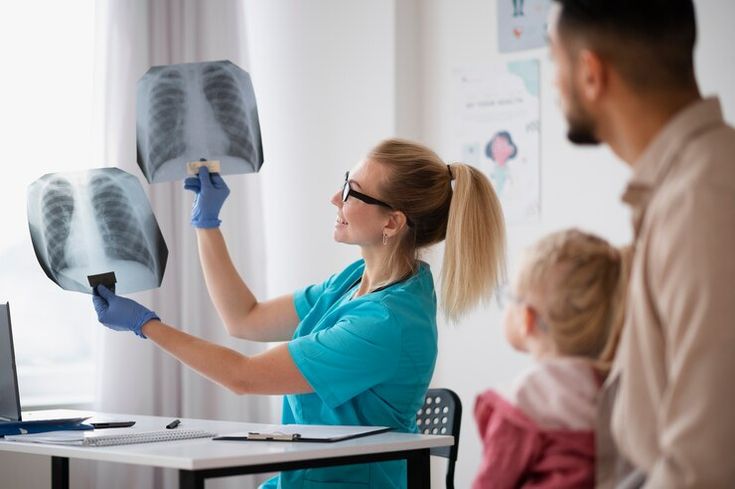
Initial Assessment: An evaluation by a respiratory therapist, physiotherapist, or medical professional is done to assess the patient’s lung function, physical capabilities, and overall health.
Customized Exercise Plan: Based on the assessment, a personalized exercise plan is developed, focusing on aerobic training, strength exercises, and breathing techniques. This is done under the supervision of healthcare professionals.
Regular Monitoring: Progress is monitored regularly to ensure that the patient is improving and that any modifications to the program can be made. This monitoring helps ensure that exercise intensity is safe and effective.
Education and Support Sessions: Patients participate in educational sessions that cover topics such as medication management, healthy living, and coping strategies. Support groups and individual counseling sessions may also be provided.
Ongoing Maintenance: After completing the structured program, patients may be encouraged to continue exercising independently or attend maintenance sessions for continued support.
How to Access Pulmonary Rehabilitation
Pulmonary rehabilitation programs are typically offered at hospitals, outpatient clinics, and rehabilitation centers. Accessing these programs generally requires a referral from a healthcare provider, such as a primary care doctor or pulmonologist.
It’s essential to check with your healthcare provider about the availability of pulmonary rehabilitation in your area and what the specific program details involve. In some cases, home-based programs or virtual rehabilitation may be available for individuals who are unable to attend in person.