




Respiratory infections are among the most common and contagious illnesses affecting people of all ages worldwide. From the common cold to more severe infections like pneumonia, influenza, and COVID-19, respiratory illnesses can significantly impact our health, productivity, and overall well-being. Fortunately, most respiratory infections are preventable through simple but effective lifestyle choices, hygiene practices, and medical precautions.
🌬️ What Are Respiratory Infections?
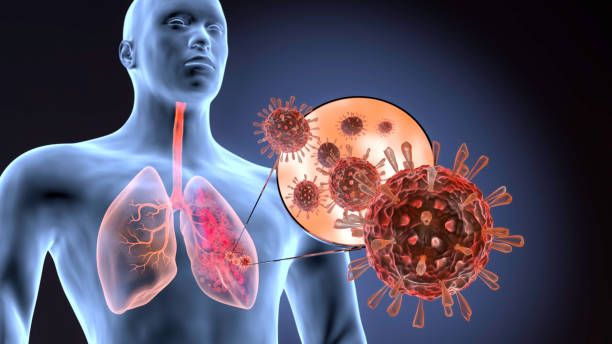
Respiratory infections affect parts of the body involved in breathing — the sinuses, throat, airways, or lungs. These infections are typically caused by viruses, bacteria, or fungi and can be classified as:
Upper respiratory infections (URI): Affecting the nose, sinuses, and throat (e.g., cold, sinusitis, pharyngitis).
Lower respiratory infections (LRI): Involving the airways and lungs (e.g., bronchitis, pneumonia, COVID-19).
⚠️ Why Prevention Matters
Prevents serious complications like pneumonia or chronic bronchitis.
Reduces the spread of contagious diseases in homes, schools, and workplaces.
Protects vulnerable groups such as the elderly, children, and those with compromised immune systems.
Lowers healthcare costs and reduces hospital admissions.
✅ Top Strategies to Prevent Respiratory Infections
1. 🧼 Practice Good Hand Hygiene
Regular handwashing with soap and water for at least 20 seconds is one of the most effective ways to prevent the spread of germs. If soap isn’t available, use an alcohol-based hand sanitizer.
2. 😷 Cover Coughs and Sneezes
Use a tissue or the inside of your elbow to cover your mouth and nose when you cough or sneeze. Dispose of tissues immediately and wash your hands afterward.
3. 🧽 Clean and Disinfect Frequently Touched Surfaces
Germs can live on surfaces for hours. Disinfect doorknobs, light switches, mobile phones, and keyboards regularly, especially during flu season or an outbreak.
4. 💉 Get Vaccinated
Vaccines are a safe and powerful tool against respiratory infections:
Influenza vaccine (yearly)
COVID-19 vaccine and boosters
Pneumococcal vaccine (especially for older adults and those with chronic diseases)
Pertussis vaccine (whooping cough)
5. 🧘♀️ Strengthen Your Immune System
A strong immune system can fend off infections more effectively. Focus on:
A balanced diet rich in fruits, vegetables, and antioxidants
Regular exercise
Adequate sleep
Stress management through yoga, meditation, or hobbies
6. 🚭 Avoid Smoking and Secondhand Smoke
Smoking weakens the lungs and the immune system, making it easier for respiratory infections to take hold. Avoiding smoking and polluted environments can drastically reduce your risk.
7. 🏠 Improve Indoor Air Quality
Use air purifiers, ventilate your home regularly, and reduce exposure to dust, mold, and chemical fumes to protect your lungs.
8. 🚶♀️ Maintain Physical Distance During Outbreaks
When respiratory illnesses are spreading in your community, maintain a safe distance in crowded places, wear a mask, and avoid close contact with people who are sick.
👶 Special Tips for Children and the Elderly
Children and older adults are more vulnerable to respiratory infections. Here’s how to protect them:
Keep children’s toys and surfaces clean
Teach kids proper hygiene early
Ensure they are up to date with all vaccinations
Provide nutritious food and encourage physical activity
Limit exposure to people with respiratory symptoms
🤧 Early Symptoms to Watch Out For
Recognizing respiratory infection symptoms early helps in timely treatment and prevents complications. Common symptoms include:
Cough and sore throat
Nasal congestion or runny nose
Fever or chills
Fatigue and body aches
Difficulty breathing (seek immediate medical attention)