





In today’s fast-paced digital world, where hours are spent hunched over screens and slouched in chairs, poor posture and shallow breathing have become common—and harmful—habits. The good news? You can reverse these patterns by intentionally improving your posture and breathing. Here’s everything you need to know about why it matters, how it affects your body and mind, and practical tips to bring balance back into your life.
📌 Why Posture and Breathing Go Hand-in-Hand
Posture and breathing are deeply interconnected. When your posture is poor—shoulders rounded, head forward, spine compressed—your lungs and diaphragm have less room to expand, resulting in shallow, inefficient breathing. On the other hand, improved posture creates space in your chest cavity, allowing deeper and more effective oxygen intake.
The Connection Between Posture & Breathing
Breathing is deeply linked to posture. When you slouch:
The diaphragm (the primary breathing muscle) can’t expand fully.
Shallow “chest breathing” replaces deep “diaphragmatic breathing.”
Stress levels increase due to poor oxygen exchange.
How Proper Breathing Helps Posture
Activates Core Muscles – Deep breathing engages the transverse abdominis, stabilizing the spine.
Reduces Tension – Relaxes tight muscles in the neck and shoulders.
Improves Spinal Alignment – Encourages a neutral spine position.
💡 Benefits of Good Posture and Breathing
✅ Enhanced Energy Levels
When your body aligns properly, oxygen flows more freely through your bloodstream. This boosts energy, reduces fatigue, and improves focus.
✅ Reduced Pain and Tension
Improving posture alleviates common issues like neck pain, shoulder stiffness, and lower back pain.
✅ Better Mood and Confidence
Studies show that upright posture can improve your mood and even decrease symptoms of depression. Deep breathing also helps regulate stress and anxiety levels.
✅ Improved Digestion and Circulation
Poor posture compresses internal organs. By sitting and standing correctly, you promote better digestion and blood flow.
✅ Optimal Athletic Performance
Good posture supports joint health and muscular efficiency, while proper breathing improves endurance and recovery.
🧘♂️ The Science of Breathing: Why Deep Matters
Your breath is more than just an automatic function—it’s a tool. Shallow breathing (chest breathing) limits oxygen intake and keeps your nervous system in a constant state of alert. Deep breathing (diaphragmatic breathing), however, activates the parasympathetic nervous system, promoting calm, healing, and clarity.
🛠️ Posture Fix: Simple Tips for Daily Alignment
Straighten Your Spine
Sit and stand tall, with ears over shoulders, shoulders over hips, and feet flat on the floor.Check Your Desk Setup
Your screen should be at eye level. Use a supportive chair and sit back into it to avoid slouching.Uncross Those Legs
Crossing your legs causes pelvic misalignment. Sit with both feet flat for balance and support.Strengthen Your Core
A strong core supports your spine. Include planks, bridges, and abdominal exercises in your routine.Take Posture Breaks
Every 30-60 minutes, stand up, stretch, and realign your spine. A few minutes makes a big difference.
🌬️ Breathing Techniques for Everyday Life
1. Box Breathing (4-4-4-4)
Inhale for 4 seconds → Hold for 4 seconds → Exhale for 4 seconds → Hold for 4 seconds.
This technique calms the nervous system and increases focus.
2. Diaphragmatic Breathing
Place one hand on your chest and the other on your belly. Inhale deeply through your nose, letting your belly rise. Exhale slowly through your mouth. Repeat for 5–10 minutes daily.
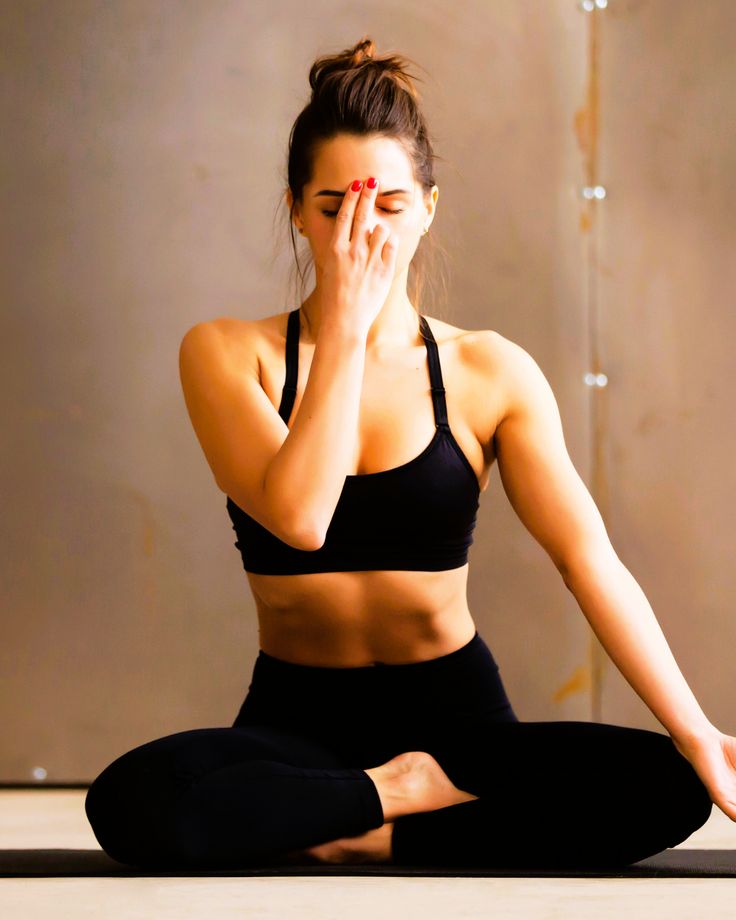
3. Alternate Nostril Breathing
A yogic breathing method that balances both hemispheres of the brain and enhances respiratory efficiency.
Exercises to Improve Posture & Breathing
1. Posture-Correcting Exercises
a) Chin Tucks (Fix Forward Head)
Sit or stand tall.
Gently retract your chin (like making a “double chin”).
Hold for 5 seconds, repeat 10x.
b) Shoulder Blade Squeezes
Sit upright, pull shoulders back and down.
Squeeze shoulder blades together.
Hold for 5-10 seconds, repeat 10x.
c) Thoracic Extension (Foam Roller)
Place a foam roller under your upper back.
Support your head with hands, arch backward gently.
Hold for 20-30 seconds.
d) Cat-Cow Stretch (Spinal Mobility)
On hands and knees, alternate between arching (Cow) and rounding (Cat) your back.
Repeat for 1-2 minutes.
2. Breathing Exercises
a) Diaphragmatic Breathing (Belly Breathing)
Lie on your back, place a hand on your belly.
Inhale deeply through the nose, letting the belly rise.
Exhale slowly through pursed lips.
Repeat for 5-10 minutes daily.
b) 4-7-8 Breathing (Relaxation Technique)
Inhale for 4 seconds.
Hold for 7 seconds.
Exhale for 8 seconds.
Repeat 4-5 cycles.
c) Rib Cage Expansion
Sit tall, place hands on ribs.
Inhale deeply, expanding ribs sideways.
Exhale fully, feeling ribs contract.
Repeat 10x.
Daily Habits for Better Posture & Breathing
1. At Your Desk
Keep feet flat, knees at 90°.
Use a lumbar support cushion.
Position screens at eye level.
Take micro-breaks every 30 minutes to stretch.
2. While Standing/Walking
Engage core muscles slightly.
Keep shoulders relaxed, not hunched.
Imagine a string pulling your head upward.
3. While Sleeping
Use a supportive pillow (not too high).
Side sleepers: Place a pillow between knees.
Back sleepers: Use a small pillow under knees.
Advanced Techniques
1. Yoga & Pilates
Yoga Poses: Child’s Pose, Cobra, Mountain Pose.
Pilates: Focuses on core strength and alignment.
2. Posture Correctors & Wearables
Posture braces (temporary use only).
Smart wearables that vibrate when you slouch.
3. Professional Help
Physical therapy for chronic issues.
Chiropractic adjustments (if needed).
Breathing coaches (for athletes/singers).