
Introduction
After recovering from COVID-19, many individuals continue to experience breathing difficulties that can significantly impact their quality of life. This comprehensive guide explores evidence-based strategies for post-COVID breathing recovery, helping you regain lung function and respiratory comfort.
Understanding Post-COVID Breathing Challenges
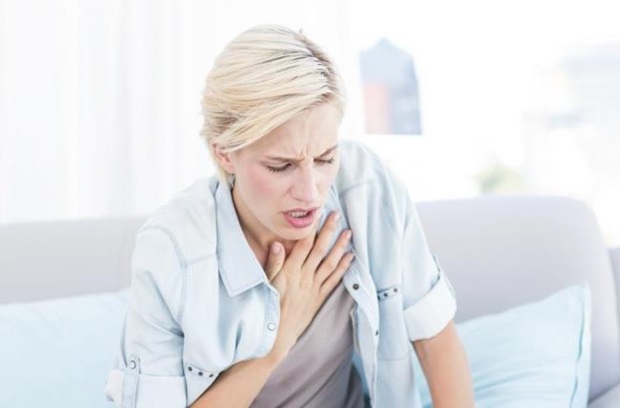
Common Respiratory Symptoms After COVID-19
Persistent shortness of breath (dyspnea)
Reduced exercise tolerance
Chest tightness or discomfort
Chronic cough
Difficulty taking deep breaths
Unusual breathing patterns
Why Breathing Problems Persist
COVID-19 can affect the respiratory system in several ways:
Lung tissue inflammation and scarring
Diaphragm weakness from prolonged illness
Altered breathing patterns developed during infection
Reduced lung capacity from extended bed rest
Nervous system impacts on respiratory control
Medical Evaluation for Post-COVID Breathing Issues
Before beginning any recovery program, consult with your healthcare provider about:
Pulmonary Function Tests: Measure lung capacity and efficiency
6-Minute Walk Test: Assesses exercise tolerance
Imaging Studies: Chest X-rays or CT scans to check for lung damage
Oxygen Saturation Monitoring: Checks blood oxygen levels during activity
Breathing Recovery Techniques
1. Diaphragmatic Breathing (Belly Breathing)
How to practice:
Lie on your back with knees bent or sit comfortably
Place one hand on your chest, the other on your abdomen
Inhale slowly through your nose, feeling your abdomen rise
Exhale slowly through pursed lips, feeling your abdomen fall
Keep chest movement minimal
Practice for 5-10 minutes, 3-4 times daily
Benefits: Strengthens diaphragm, improves oxygen exchange, reduces breathing effort
2. Pursed-Lip Breathing
Technique:
Inhale slowly through your nose for 2 counts
Pucker your lips as if to whistle
Exhale slowly and gently for 4-6 counts
Repeat for several breath cycles
Advantages: Keeps airways open longer, reduces shortness of breath, improves ventilation
3. Box Breathing (Square Breathing)
Method:
Inhale for 4 seconds
Hold breath for 4 seconds
Exhale for 4 seconds
Hold empty lungs for 4 seconds
Repeat the cycle
Benefits: Regulates breathing pattern, reduces stress, improves focus
Physical Rehabilitation for Lung Recovery
Gradual Exercise Program
Phase 1: Initial Recovery (2-4 weeks)
Gentle walking (5-10 minutes daily)
Stretching exercises
Breathing exercises 3 times daily
Phase 2: Building Tolerance (4-8 weeks)
Increased walking duration (15-30 minutes)
Light strength training (body weight or light resistance)
Stationary cycling at low intensity
Phase 3: Advanced Recovery (8+ weeks)
Brisk walking or jogging
Swimming (excellent for lung recovery)
Yoga or tai chi for coordinated breathing and movement
Postural Considerations for Better Breathing
Supported Sitting Position
Sit upright with back supported
Keep feet flat on floor
Relax shoulders away from ears
Sleep Positioning
Elevate head with extra pillows
Side-lying with pillow support may help
Standing Posture
Keep chin parallel to ground
Shoulders back and down
Avoid slouching
Nutritional Support for Lung Healing
Essential Nutrients for Respiratory Recovery
Protein: Supports tissue repair (lean meats, fish, eggs, legumes)
Antioxidants: Reduce inflammation (berries, leafy greens, nuts)
Omega-3 Fatty Acids: Anti-inflammatory (fatty fish, flaxseeds, walnuts)
Vitamin C: Collagen formation for lung tissue (citrus fruits, bell peppers)
Vitamin D: Supports immune function (sunlight, fortified foods)
Magnesium: Helps relax bronchial tubes (nuts, seeds, whole grains)
Hydration for Respiratory Health
Aim for 2-3 liters of fluids daily (unless medically restricted)
Warm liquids can help loosen secretions
Limit caffeine and alcohol which can be dehydrating
Managing Persistent Symptoms
Coping with Shortness of Breath
Use pacing techniques during activities
Practice breathing exercises before exertion
Avoid breath-holding during tasks
Use pursed-lip breathing when symptoms occur
Dealing with Fatigue
Prioritize rest periods throughout the day
Gradually increase activity levels
Practice good sleep hygiene
Consider energy conservation techniques
When to Seek Medical Attention
Contact your healthcare provider if you experience:
Worsening shortness of breath
Chest pain or pressure
Bluish lips or face
Confusion or difficulty waking
Oxygen saturation below 90% (if monitoring at home)
Long-Term Monitoring and Care
Follow-up Appointments: Regular check-ins with your doctor
Pulmonary Rehabilitation: Structured programs for severe cases
Vaccinations: Stay current with recommended vaccines
Smoking Cessation: Critical for lung healing if applicable
Psychological Aspects of Breathing Recovery
Managing Anxiety Related to Breathing
Mindfulness Meditation: Focus on present-moment awareness
Progressive Muscle Relaxation: Reduces overall tension
Cognitive Behavioral Techniques: Challenge catastrophic thoughts about breathing
Support Groups: Connect with others experiencing similar challenges
Advanced Recovery Techniques
Inspiratory Muscle Training
Using specialized devices to strengthen breathing muscles:
Begin with low resistance
Gradually increase as tolerated
Typically performed 5-10 minutes twice daily