





In today’s world, pollution is an unavoidable reality. From urban air quality issues to water contamination, pollution poses significant threats to our health and the environment. Whether you’re concerned about outdoor air pollution, indoor air quality, or water contamination, adopting effective pollution protection strategies can make a huge difference.
In this guide, we’ll explore the risks of pollution, how it affects your health, and the best strategies for minimizing your exposure to pollutants—at home, work, and outdoors.
🌿 Understanding Pollution and Its Impact
Pollution is any substance or energy introduced into the environment that causes harm or discomfort to living organisms. The most common types include:
Air Pollution: Caused by emissions from vehicles, industries, and burning of fossil fuels. Pollutants like particulate matter (PM), nitrogen dioxide (NO2), sulfur dioxide (SO2), carbon monoxide (CO), and volatile organic compounds (VOCs) can significantly affect your lungs, heart, and overall health.
Water Pollution: Contaminants in bodies of water, including rivers, lakes, and oceans, can harm aquatic life and human health. Sources include industrial runoff, agricultural pesticides, and sewage.
Soil Pollution: The presence of hazardous chemicals, heavy metals, and waste materials in the soil can lead to contamination of crops, affecting food safety and human health.
Noise Pollution: Excessive noise from traffic, machinery, and construction can result in stress, hearing loss, and sleep disturbances.
The World Health Organization (WHO) reports that air pollution alone causes approximately 7 million deaths annually, with millions more affected by diseases linked to polluted environments.
🏙️ Personal Pollution Protection Strategies
While you can’t completely eliminate exposure to pollution, there are ways to reduce its impact on your health:
1. Avoid Outdoor Activities During High Pollution Times
Check air quality indexes (AQI) in your area before venturing outside. If the AQI is high, stay indoors as much as possible, especially if you have respiratory conditions like asthma or allergies.
Morning & Evening Hours: Air pollution tends to be lower early in the morning or after sunset.
Stay Informed: Use apps like AirVisual or Breezometer to monitor pollution levels in your area.
2. Use Masks to Protect Your Lungs
Wearing a pollution mask, particularly one with an N95 or P100 filter, can help protect you from inhaling harmful particles in the air. These masks are especially effective in environments with high PM2.5 or hazardous pollutants.
3. Maintain a Healthy Diet
Foods rich in antioxidants (such as fruits, vegetables, and nuts) help combat oxidative stress caused by pollution. Consider adding:
Vitamin C-rich foods (like oranges, strawberries, and spinach) to reduce the inflammatory effects of pollution.
Omega-3 fatty acids (from fish and flaxseeds) to support cardiovascular health.
4. Exercise Indoors
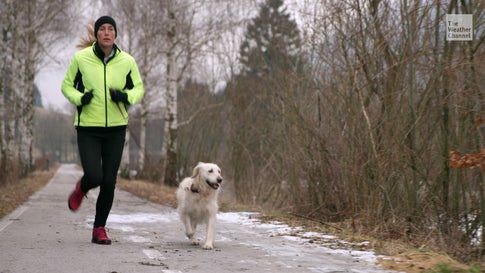
While physical activity is crucial for health, outdoor exercise in areas with high pollution can exacerbate lung conditions. Opt for indoor exercise options like yoga, Pilates, or home workouts when pollution levels are elevated.
5. Quit Smoking
Smoking contributes significantly to air pollution in your lungs and negatively affects your respiratory system. Quitting smoking reduces your exposure to harmful chemicals both outdoors and indoors.
🏠 Indoor Pollution Protection Strategies
Indoor air quality can often be worse than outdoor air, due to pollutants like indoor tobacco smoke, dust, mold, pet dander, and volatile chemicals from cleaning products.
1. Ventilate Your Home Properly
Proper ventilation can help keep indoor air fresh. Open windows when possible, or use exhaust fans to ensure air circulates. However, be mindful of the outdoor air quality before ventilating.
2. Use Air Purifiers
Air purifiers with HEPA filters can help remove airborne pollutants such as dust, pollen, and pet dander. For homes in polluted areas, consider purifiers that can filter out fine particles (PM2.5) and volatile organic compounds (VOCs).
3. Avoid Toxic Cleaning Products
Many conventional cleaning products release harmful chemicals into the air. Switch to natural cleaning alternatives such as vinegar, baking soda, or eco-friendly cleaning solutions that are free from harsh chemicals.
4. Reduce the Use of Scented Candles and Aerosols
Many scented candles, air fresheners, and aerosol sprays release pollutants like benzene and formaldehyde. Opt for natural air fresheners, and consider using essential oils in a diffuser.
5. Control Humidity
Excessive humidity can lead to mold growth, which contributes to poor indoor air quality. Use a dehumidifier in damp areas like basements and bathrooms to prevent mold and mildew buildup.
🌱 Community and Environmental Protection Strategies
Protecting yourself from pollution is important, but collective action can create a cleaner, healthier environment for everyone. Here are a few strategies to support pollution reduction in your community:
1. Advocate for Clean Energy
Support and advocate for the use of renewable energy sources such as wind, solar, and hydropower. These cleaner energy options reduce the pollution caused by fossil fuels.
2. Reduce, Reuse, Recycle
Minimize waste by following the three Rs. Avoid single-use plastics and dispose of recyclable materials responsibly. Support businesses and initiatives focused on sustainability and eco-friendly products.
3. Participate in Community Cleanups
Join local efforts to clean up parks, beaches, and neighborhoods. Community-driven cleanup events help reduce waste and pollution in your environment, creating cleaner spaces for everyone to enjoy.
4. Plant Trees and Green Spaces
Trees are natural air filters, absorbing carbon dioxide and releasing oxygen. Contribute to urban greening efforts by planting trees in your yard or participating in community tree-planting events.
5. Support Pollution Regulations
Support government policies and regulations that aim to reduce pollution and protect the environment. This could include advocating for stricter air quality standards, waste management policies, and more investment in green technologies.
🧠 Raising Awareness About Pollution’s Impact
Education plays a vital role in protecting both personal and environmental health. By understanding the sources and effects of pollution, we can make informed decisions to reduce exposure and support pollution control efforts.
Consider hosting or attending seminars, community outreach programs, and workshops to raise awareness about the importance of pollution protection.