




What is Oxygen Therapy?
Oxygen therapy is a medical treatment that provides additional oxygen to people who have low levels of oxygen in their blood. Typically used to treat respiratory conditions such as COPD, asthma, pneumonia, and other pulmonary disorders, oxygen therapy ensures that the body receives the adequate oxygen it needs for proper functioning.
Oxygen therapy can be administered in hospitals, clinics, or at home, depending on the severity of the condition and the patient’s needs. In home settings, it offers comfort, convenience, and flexibility, allowing patients to receive the necessary treatment without the need for hospital visits.
Why Oxygen Therapy at Home?
For individuals with chronic respiratory conditions or those recovering from an illness or surgery, continuous or intermittent oxygen therapy is necessary to maintain proper oxygen saturation levels. Home oxygen therapy allows individuals to live more independently, offering them a chance to maintain their lifestyle while still getting the medical treatment they need.
Benefits of home oxygen therapy include:
Convenience: Patients can receive treatment in the comfort of their own home.
Cost-Effective: Eliminates the need for frequent hospital visits or extended stays.
Improved Quality of Life: Enables patients to go about daily activities without constantly worrying about their oxygen levels.
Personalized Care: A healthcare provider can tailor oxygen levels to the patient’s specific needs.
Conditions Treated by Oxygen Therapy
Oxygen therapy is commonly prescribed for individuals suffering from respiratory conditions, including:
Chronic Obstructive Pulmonary Disease (COPD): A group of lung diseases that block airflow and make it difficult to breathe.
Asthma: A condition where airways become inflamed and narrow, leading to difficulty breathing.
Pneumonia: A lung infection that causes breathing difficulties.
Sleep Apnea: A disorder where breathing repeatedly stops and starts during sleep.
Heart Failure: In severe cases, where the heart cannot pump oxygen-rich blood effectively.
Cystic Fibrosis: A genetic disorder that affects the lungs and digestive system, leading to difficulty breathing.
Post-Surgery Recovery: Oxygen therapy can aid in healing after surgeries that impact lung function.
How Does Oxygen Therapy at Home Work?
At home, oxygen therapy can be delivered through a variety of devices, depending on the level of oxygen required:
1. Oxygen Concentrators
An oxygen concentrator is a popular device used for home oxygen therapy. It extracts oxygen from the air and delivers it in higher concentrations to the patient. It is usually plugged into an electrical outlet and is suitable for continuous use. Oxygen concentrators are convenient, portable, and capable of providing a steady supply of oxygen for those with moderate to severe conditions.
2. Oxygen Cylinders
Oxygen cylinders, also known as tanks, are portable storage containers for oxygen gas. These are ideal for patients who need oxygen therapy intermittently or for those who are more mobile. They come in various sizes and provide a set amount of oxygen before needing a refill.
3. Liquid Oxygen Systems
Liquid oxygen systems are another option for home oxygen therapy. In this system, oxygen is stored in liquid form and converted back into gas when needed. It provides more concentrated oxygen, making it ideal for individuals who require high levels of oxygen. Liquid oxygen systems are portable and lightweight, making them a good option for active individuals.
4. Oxygen Masks and Nasal Cannulas
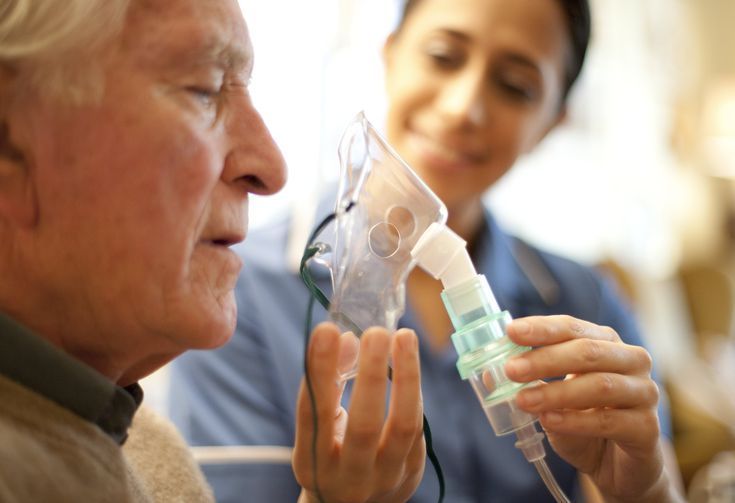
For delivery, oxygen can be administered through a nasal cannula (a thin tube with two prongs that fit into the nostrils) or an oxygen mask, which covers the nose and mouth. A healthcare provider will determine the method of delivery based on the patient’s specific condition and oxygen needs.
How to Use Oxygen Therapy at Home
To ensure that oxygen therapy at home is effective, the following guidelines should be followed:
Consultation with a Healthcare Provider: Before starting home oxygen therapy, it is essential to get a prescription and detailed instructions from your doctor. The healthcare provider will assess the need for oxygen therapy based on the patient’s blood oxygen levels (measured through an oxygen saturation test) and medical history.
Proper Equipment Setup: Ensure that the oxygen concentrator, cylinder, or liquid oxygen system is set up correctly. The healthcare provider will teach the patient or caregiver how to use and maintain the equipment.
Regular Monitoring: Oxygen saturation levels should be regularly checked using a pulse oximeter. This will help ensure that oxygen therapy is effective and that the patient is receiving the right amount of oxygen.
Maintenance of Equipment: Regularly clean and maintain the oxygen delivery equipment to avoid contamination. Follow the manufacturer’s guidelines for cleaning and replacing parts such as filters, tubing, and nasal cannulas.
Safety Precautions: Oxygen is highly flammable, so take necessary safety precautions when using oxygen at home. Keep all sources of flame, heat, and sparks away from oxygen equipment. Do not smoke or allow others to smoke around oxygen equipment.
Signs You Need Oxygen Therapy at Home
If you are experiencing any of the following signs, it may be time to consider oxygen therapy:
Shortness of breath, especially during physical activity.
Fatigue or feeling tired even after adequate rest.
Difficulty sleeping due to breathing problems.
Confusion or difficulty concentrating.
Chest pain or pressure.
Bluish lips or nails (indicating low oxygen levels).
How Long Will I Need Oxygen Therapy?
The duration of oxygen therapy depends on the individual’s condition. Some patients may require long-term oxygen therapy (LTOT) to manage chronic conditions, while others may only need oxygen temporarily following surgery or illness. Your healthcare provider will guide you on how long you should use oxygen therapy and whether you can gradually reduce your reliance on it.
Oxygen Therapy and Lifestyle
Living with oxygen therapy doesn’t have to limit your lifestyle. With the right equipment and the following tips, you can continue to lead an active life:
Stay Active: Mild exercise such as walking can help improve overall health. Always check with your doctor to determine the safe level of physical activity.
Traveling with Oxygen: Many people with home oxygen therapy continue to travel. With portable oxygen options, such as small cylinders or concentrators, traveling by plane, car, or train is possible.
Diet and Hydration: Maintaining a healthy diet and staying hydrated can help improve overall lung function and energy levels.
Cost of Oxygen Therapy at Home
The cost of home oxygen therapy can vary depending on the type of equipment used, the duration of therapy, and your insurance coverage. Some insurance plans may cover the cost of oxygen therapy at home, but it’s important to check with your provider for specific details. Many oxygen equipment providers offer rental or purchase options, with costs depending on the system chosen.