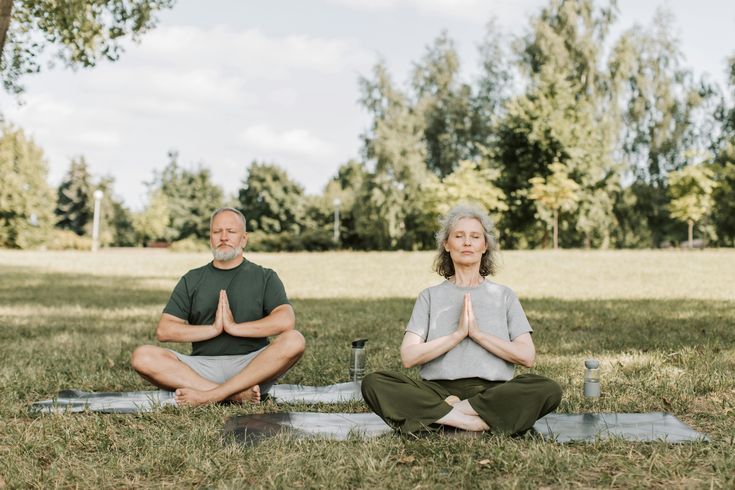





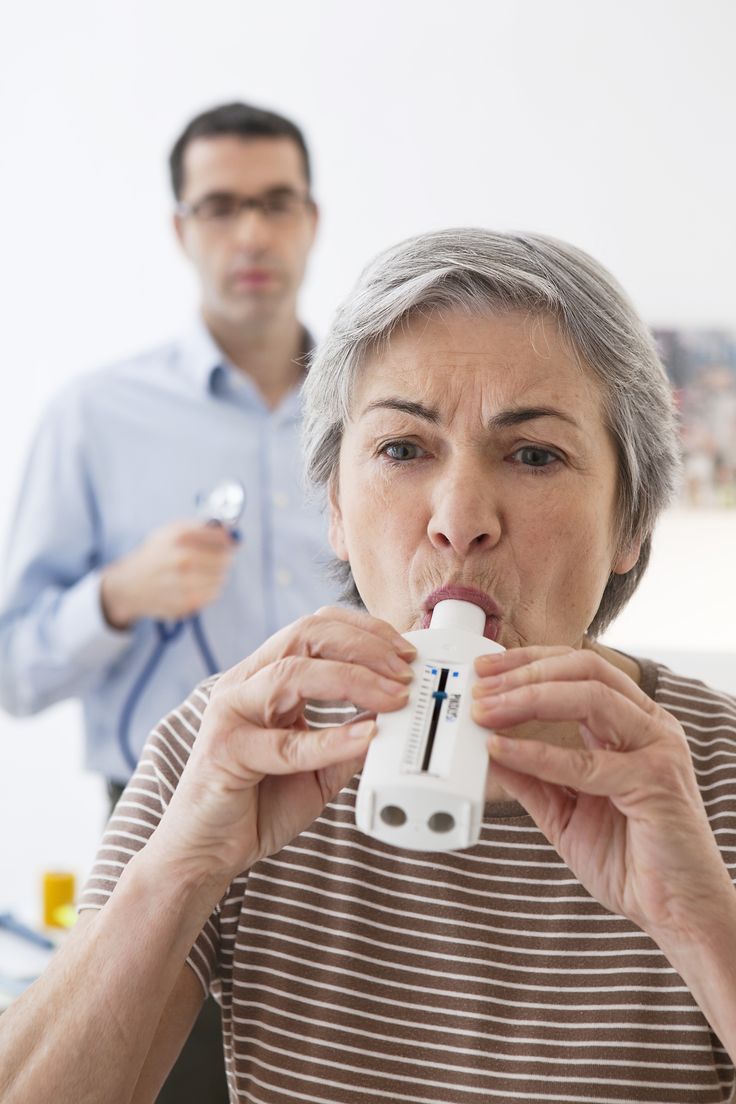
Introduction to Mindfulness and Respiratory Health
Mindfulness—the practice of staying present and aware—has profound benefits for respiratory wellness. By incorporating mindful breathing techniques, individuals can improve lung function, reduce stress, and enhance overall well-being.
Chronic respiratory conditions like asthma, COPD, anxiety-induced breathlessness, and sleep apnea can benefit from mindfulness practices. These techniques help regulate breathing patterns, increase oxygen efficiency, and promote relaxation.
In this comprehensive guide, we’ll explore:
The science behind mindful breathing
Best mindfulness techniques for respiratory health
How mindfulness helps with lung conditions
Practical exercises for daily practice
The Science of Mindful Breathing
Research shows that controlled, mindful breathing positively impacts the nervous system, reducing stress and improving lung capacity.
Key Benefits of Mindful Breathing:
✅ Reduces Stress & Anxiety – Activates the parasympathetic nervous system (rest-and-digest mode).
✅ Improves Oxygen Efficiency – Enhances diaphragm function and lung expansion.
✅ Lowers Blood Pressure – Deep breathing relaxes blood vessels.
✅ Supports Respiratory Conditions – Helps manage asthma, COPD, and panic-related breathlessness.
Top Mindfulness Techniques for Respiratory Wellness
1. Diaphragmatic Breathing (Belly Breathing)
How it Helps: Strengthens the diaphragm, increases oxygen intake, and reduces shallow chest breathing.
How to Practice:
Sit or lie comfortably, placing one hand on your chest and the other on your belly.
Inhale deeply through your nose, letting your belly rise (chest should stay still).
Exhale slowly through pursed lips, feeling your belly fall.
Repeat for 5-10 minutes daily.
Best For: COPD, asthma, and stress relief.
2. 4-7-8 Breathing (Relaxing Breath)
How it Helps: Calms the nervous system, reduces anxiety, and improves sleep.
How to Practice:
Inhale quietly through your nose for 4 seconds.
Hold your breath for 7 seconds.
Exhale completely through your mouth for 8 seconds.
Repeat 4-5 cycles.
Best For: Anxiety, insomnia, and panic attacks.
3. Box Breathing (Square Breathing)
How it Helps: Enhances focus, balances oxygen-CO2 levels, and reduces hyperventilation.
How to Practice:
Inhale for 4 seconds.
Hold for 4 seconds.
Exhale for 4 seconds.
Hold again for 4 seconds.
Repeat for 5-10 rounds.
Best For: Stress management, athletes, and high-pressure situations.
4. Alternate Nostril Breathing (Nadi Shodhana)
How it Helps: Balances the left and right brain, improves lung function, and reduces tension.
How to Practice:
Sit comfortably, using your right thumb to close your right nostril.
Inhale through the left nostril.
Close the left nostril with your ring finger and exhale through the right.
Inhale through the right, then switch and exhale through the left.
Continue for 5-10 cycles.
Best For: Asthma, allergies, and mental clarity.
5. Mindful Breath Counting
How it Helps: Trains focus, reduces erratic breathing, and enhances relaxation.
How to Practice:
Sit quietly and take slow, natural breaths.
Count each exhale (1, 2, 3… up to 10).
If distracted, gently return to counting.
Continue for 5 minutes or longer.
Best For: Beginners, ADHD, and improving concentration.
How Mindfulness Helps Respiratory Conditions
1. Asthma Management
Reduces stress-induced asthma attacks.
Teaches controlled breathing during flare-ups.
2. COPD & Emphysema Support
Strengthens diaphragm muscles.
Prevents shortness of breath through paced breathing.
3. Anxiety & Panic Disorders
Stops hyperventilation and restores normal breathing.
Lowers cortisol (stress hormone) levels.
4. Sleep Apnea & Snoring
Encourages nasal breathing and relaxation before sleep.
Reduces sleep-disrupting anxiety.
Incorporating Mindfulness into Daily Life
Morning Routine
Start with 5 minutes of diaphragmatic breathing to oxygenate the body.
Before Sleep
Practice 4-7-8 breathing to relax the nervous system.
During Stressful Moments
Use box breathing to regain control.
For Exercise & Physical Activity
Pair movement with rhythmic breathing (e.g., yoga, walking meditation).
Long-Term Benefits of Mindful Breathing
Improved lung capacity
Lower stress & better mental health
Enhanced sleep quality
Reduced respiratory flare-ups