




Introduction: The Overlooked Connection Between Mindfulness and Breathing
Lungs are often taken for granted—until something goes wrong. In today’s world, respiratory issues are on the rise, from allergies and pollution exposure to chronic conditions like asthma and COPD. While medical treatments and lifestyle changes play a vital role, meditation has emerged as a natural, non-invasive way to support lung health.
Meditation isn’t just about calming the mind—it directly impacts the way we breathe. By practicing breath-focused meditation, we can improve lung function, increase oxygen capacity, and reduce stress-driven respiratory issues. Your lungs, like every other organ, thrive in a calm, balanced environment—and meditation helps create just that.
The Science Behind Meditation and Lung Function
Meditation encourages slower, deeper, and more intentional breathing. This kind of breathing strengthens the lungs, allows more efficient oxygen exchange, and supports detoxification. Scientific studies show that meditation:
Reduces respiratory rate, lowering the strain on lungs
Enhances diaphragmatic (belly) breathing, improving lung capacity
Decreases levels of inflammation and oxidative stress
Improves heart-lung efficiency, especially during chronic illness recovery
Supports immune function and overall resilience
How Meditation Boosts Lung Health
Here are several ways meditation directly benefits your lungs:
🧘♂️ Improved Breathing Mechanics
Most people breathe shallowly into their chests. Meditation encourages deep belly breathing, which expands the lungs more fully and keeps the respiratory system working optimally.
🌬️ Reduced Airway Inflammation
Stress and anxiety can trigger inflammation and constriction in the airways. By calming the nervous system, meditation helps open the airways and reduce inflammation-related issues.
🧠 Better Brain-Lung Communication
Mindfulness-based practices enhance vagus nerve activity, which regulates the parasympathetic nervous system—promoting relaxed breathing and healthier lung rhythms.
💪 Strengthened Respiratory Muscles
Deep breathing meditation involves the diaphragm, intercostal muscles, and abdominal core. Regular practice acts as a gentle exercise for these muscles, supporting stronger respiration.
🛡️ Support in Managing Respiratory Illnesses
Meditation has been shown to improve quality of life in people with asthma, COPD, and post-COVID lung damage, helping them manage symptoms better and reduce flare-ups.
Best Meditation Techniques for Lung Health
1. Mindful Breathing Meditation
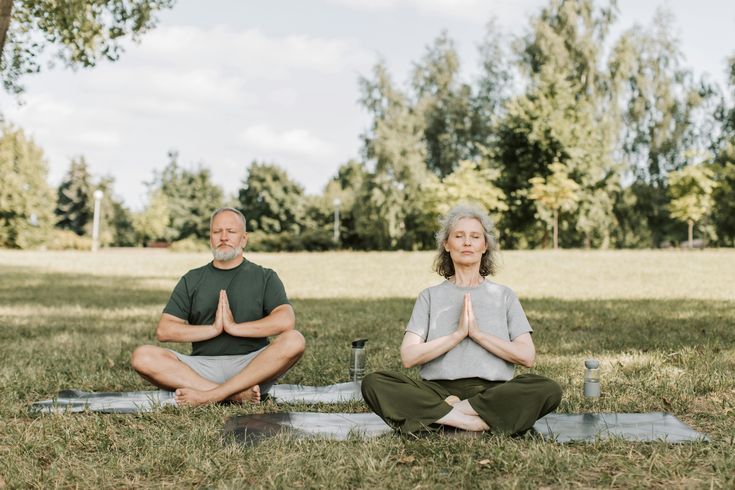
Simple and effective. Sit in a comfortable position, close your eyes, and pay attention to your natural breath. Feel the air moving in and out of your nose, chest, and belly. Let distractions pass without judgment.
Time: 5–15 minutes
Benefits: Builds awareness of breathing habits, promotes calm, and improves lung rhythm.
2. Pranayama (Yogic Breathing)
An ancient technique that combines breath control with meditation. Some effective types include:
Anulom Vilom (Alternate Nostril Breathing): Balances oxygen intake, strengthens lung capacity.
Bhramari (Humming Bee Breath): Soothes nerves and opens respiratory passages.
Ujjayi (Ocean Breath): Helps with lung expansion and control.
Time: 10–20 minutes
Benefits: Cleanses lungs, boosts energy, regulates breathing.
3. Guided Meditation with Breath Focus
Listen to a meditation guide that leads you through relaxing breath techniques. These sessions often involve visualization, body awareness, and affirmation.
Time: 15–30 minutes
Benefits: Deep relaxation, better oxygen flow, and mental clarity.
4. Loving-Kindness Meditation (Metta)
Though not breath-centric, this form promotes emotional healing and stress reduction, indirectly helping your lungs by reducing the burden of chronic anxiety and emotional suppression.
Time: 10 minutes or more
Benefits: Emotional balance, reduced stress, relaxed breathing patterns.
Daily Meditation Routine for Healthy Lungs
🌅 Morning (5–10 mins): Start with 5 minutes of mindful breathing or alternate nostril breathing. This sets the tone for calm, clear breathing throughout the day.
🕒 Midday (10 mins): Use pranayama to re-energize and oxygenate your system—especially if you’ve been sitting in front of a screen or indoors.
🌙 Evening (15–20 mins): Wind down with a guided body scan or deep breathing meditation. This supports lung recovery during sleep.
Lifestyle Tips to Support Meditation and Lung Health
💧 Stay hydrated – helps keep mucus membranes in lungs moist and functional
🚭 Avoid smoking or exposure to smoke – even secondhand
🌳 Practice outdoors when possible – fresh air amplifies the benefits
🧂 Limit processed foods – they can cause inflammation and stress
🧼 Clean indoor air – use purifiers, avoid harsh chemicals, keep houseplants
🏃♀️ Move your body – gentle physical activity complements lung meditation