





Introduction
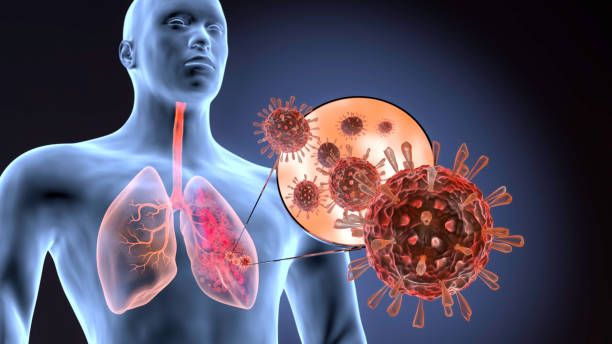
Millions of people around the world struggle daily with allergies and breathing problems that can affect their quality of life. From seasonal pollen to indoor allergens, or chronic conditions like asthma and COPD, managing these health concerns requires awareness, prevention strategies, and proper medical care.
This guide is designed to help you understand the causes of breathing difficulties, recognize common allergy triggers, and adopt effective techniques to manage your respiratory health.
Understanding Allergies
Allergies occur when your immune system reacts to a foreign substance—like pollen, dust, or pet dander—as if it were harmful. This immune response can lead to a variety of symptoms, including:
Sneezing
Runny or congested nose
Watery or itchy eyes
Skin rashes
Breathing difficulties
Common Allergens Include:
Pollen from trees, grass, and weeds (seasonal)
Dust mites commonly found in bedding and upholstery
Mold spores in damp environments
Pet dander from cats, dogs, and other furry animals
Certain foods like nuts, shellfish, and dairy
Insect stings or bites
Recognizing Breathing Issues
Breathing issues can range from mild congestion to severe respiratory disorders. They may be triggered by allergies, pollution, infections, or chronic conditions. Common breathing disorders include:
Asthma: Chronic inflammation of the airways that causes wheezing, chest tightness, and shortness of breath.
Chronic Obstructive Pulmonary Disease (COPD): A group of diseases, including chronic bronchitis and emphysema, that block airflow and make breathing difficult.
Allergic Rhinitis: Often called hay fever, this is an allergic reaction that affects the nasal passages.
Sinusitis: Inflammation of the sinuses that can cause breathing problems and headaches.
Prevention and Management Strategies
1. Identify and Avoid Triggers
Understanding your specific allergens is the first step in managing symptoms. Work with an allergist to identify triggers and minimize exposure.
2. Keep Indoor Air Clean
Use HEPA filters in air purifiers and HVAC systems.
Vacuum frequently using a vacuum with a HEPA filter.
Wash bedding weekly in hot water.
Avoid smoking indoors.
Reduce humidity to prevent mold growth.
3. Medication and Treatment Options
Antihistamines for seasonal allergies
Decongestants for short-term relief
Inhalers and bronchodilators for asthma
Steroid nasal sprays to reduce inflammation
Allergy shots (immunotherapy) for long-term relief
Nebulizers to deliver medication directly into the lungs
Always consult a healthcare provider before starting or changing medication.
4. Lifestyle Changes
Maintain a healthy diet rich in antioxidants and omega-3 fatty acids.
Exercise regularly to strengthen your lungs.
Stay hydrated to keep mucus thin and easy to clear.
Manage stress, which can trigger asthma or worsen symptoms.
Breathing Techniques and Exercises
Practicing proper breathing techniques can help improve lung function and manage shortness of breath:
Pursed-Lip Breathing: Inhale through the nose and exhale slowly through pursed lips.
Diaphragmatic Breathing: Focus on belly movement rather than chest expansion.
Controlled Coughing: Helps clear mucus from the lungs.
Breath-Holding Exercises: Can increase lung capacity over time.
These techniques are especially beneficial for people with COPD or recovering from respiratory infections.