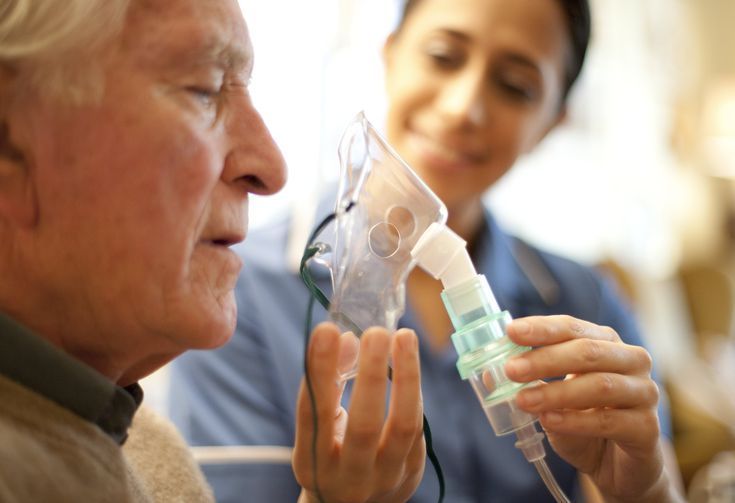





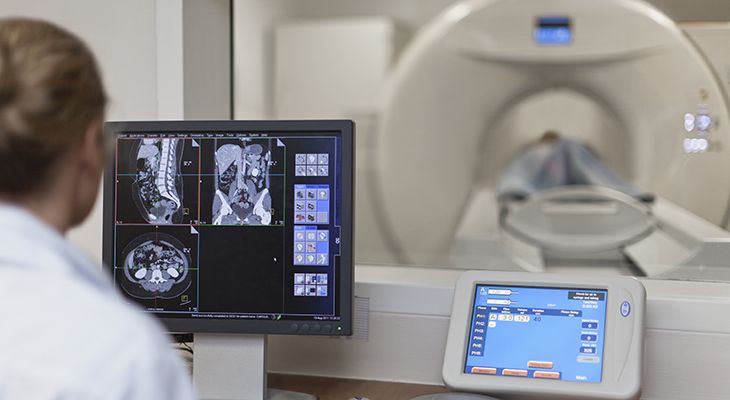
Lung diseases, ranging from asthma to chronic obstructive pulmonary disease (COPD) to lung cancer, continue to affect millions of people worldwide. In recent years, significant strides have been made in the research and treatment of various lung conditions. With advancements in medical technology, genetics, and personalized medicine, the future of lung treatment looks more promising than ever. Let’s take a closer look at the latest developments in lung treatment research.
1. Innovative Approaches to Lung Cancer Treatment
Lung cancer remains one of the leading causes of cancer-related deaths globally, with early detection being a significant challenge. However, ongoing research is focused on improving both early diagnosis and treatment options.
Immunotherapy: One of the most significant advancements in recent years has been immunotherapy. Unlike traditional chemotherapy that attacks both healthy and cancerous cells, immunotherapy works by enhancing the body’s immune system to specifically target and destroy cancer cells. Research into immune checkpoint inhibitors, such as PD-1 and PD-L1 inhibitors, has shown significant promise in treating non-small cell lung cancer (NSCLC).
Targeted Therapy: Personalized medicine has entered the world of lung cancer treatment through targeted therapies that focus on specific genetic mutations. Researchers have identified mutations in genes like EGFR, ALK, ROS1, and KRAS that can be targeted with specific drugs, improving patient outcomes and reducing side effects.
Liquid Biopsy: Liquid biopsies, which involve analyzing blood samples to detect cancer markers, are paving the way for non-invasive testing methods. This research is important for lung cancer patients as it allows for earlier diagnosis and monitoring of the disease.
2. Breakthroughs in COPD Treatment
Chronic obstructive pulmonary disease (COPD) is a progressive lung disease that affects millions globally, leading to breathing difficulties. While there is no cure, recent research has significantly improved treatments and quality of life for patients.
Biologic Therapies: Research into biologics has made significant progress, especially in reducing inflammation in the airways. Drugs targeting specific immune cells (like interleukin inhibitors) and proteins involved in inflammation are showing promising results. These therapies may slow the progression of COPD and reduce flare-ups.
Regenerative Medicine and Stem Cells: Stem cell research has shown potential in regenerating damaged lung tissue, offering hope for COPD patients. Scientists are exploring the use of stem cells to repair the damage caused by long-term smoking and other environmental factors.
Gene Therapy: Another avenue of research is gene therapy, which could potentially alter the genes responsible for lung damage. By targeting the defective genes involved in COPD, researchers are investigating ways to correct the underlying causes of the disease.
3. Advancements in Asthma Treatment
Asthma is a chronic respiratory condition that causes the airways to become inflamed and narrowed, making it difficult to breathe. The latest research in asthma treatment focuses on more effective medications, as well as personalized approaches based on genetic profiles.
Biologic Medications: Biologic therapies, such as monoclonal antibodies, are increasingly used for severe asthma cases. These drugs target specific molecules involved in the inflammatory process, helping to prevent asthma attacks and reducing the need for steroids. Researchers are working to identify which patients will benefit the most from these treatments.
Personalized Asthma Management: With advances in genetic testing and biomarkers, asthma treatments are becoming more personalized. Researchers are developing tools to identify subtypes of asthma and select the most effective therapies for individual patients, reducing the trial-and-error approach.
Bronchial Thermoplasty: A novel procedure known as bronchial thermoplasty uses heat to reduce the smooth muscle in the airways, preventing them from constricting and causing asthma attacks. This is an exciting area of research that may offer a more lasting solution for patients with severe asthma.
4. Pulmonary Hypertension: New Insights and Treatments
Pulmonary hypertension (PH) is a condition characterized by high blood pressure in the arteries of the lungs, leading to shortness of breath, fatigue, and, in severe cases, heart failure. The latest research focuses on new treatments that can manage the condition and even reverse some of the damage.
Targeted Therapies: Several new medications are being developed to target specific pathways involved in pulmonary hypertension. For example, drugs that work by inhibiting certain enzymes (like endothelin receptor antagonists or phosphodiesterase inhibitors) have been shown to lower blood pressure in the lungs and improve symptoms.
Gene Therapy and Stem Cells: Research in gene therapy and stem cells holds great promise for pulmonary hypertension. Scientists are working on genetic modifications that can correct the dysfunctional pathways responsible for the disease. Stem cell therapies may help regenerate damaged lung tissue and improve lung function.
Personalized Medicine: As with other lung diseases, the trend towards personalized medicine is gaining momentum. By tailoring treatment to an individual’s genetic makeup and the specific cause of their pulmonary hypertension, researchers hope to improve outcomes and reduce the risk of complications.
5. Advancements in Pulmonary Rehabilitation
Pulmonary rehabilitation is a crucial part of managing chronic lung diseases, especially for conditions like COPD and post-surgical recovery. Recent research has focused on enhancing rehabilitation methods through innovative technologies and approaches.
Telemedicine and Remote Monitoring: The use of telemedicine has grown significantly in recent years, especially for chronic disease management. In pulmonary rehabilitation, remote monitoring tools that track lung function, activity levels, and symptoms have shown to improve outcomes and adherence to rehabilitation programs.
Virtual Reality (VR): Virtual reality has been introduced into pulmonary rehabilitation programs as a tool to engage patients and provide exercises that mimic real-world situations. Studies suggest VR can improve both physical function and mental well-being for individuals with chronic lung conditions.
Exercise-Based Programs: Research continues to show that structured exercise programs can significantly improve lung function and overall quality of life in people with lung diseases. Exercise helps reduce shortness of breath, improve endurance, and enhance mental health.
6. Innovations in Artificial Intelligence (AI) and Machine Learning
The integration of artificial intelligence (AI) and machine learning in lung disease research is another groundbreaking development. Researchers are using AI to analyze vast amounts of data from lung scans, genetic information, and patient records to improve diagnosis, treatment plans, and drug discovery.
AI in Diagnostics: AI is being used to analyze chest X-rays, CT scans, and other diagnostic tools to detect early signs of lung diseases, including lung cancer and COPD. This technology can help physicians make faster and more accurate diagnoses, even in the earliest stages of disease.
Predictive Models for Treatment: Machine learning algorithms are being developed to predict how patients will respond to various treatments based on their unique health profiles. These predictive models can help physicians select the most effective treatments and reduce trial-and-error approaches.