



Introduction
Japan and South Korea, two of East Asia’s most developed and influential nations, share a complex and often strained relationship shaped by historical grievances, territorial disputes, and conflicting national interests. Despite their close proximity and shared democratic values, their diplomatic relations have been marred by deep-seated tensions that date back to Japan’s colonization of Korea from 1910 to 1945.
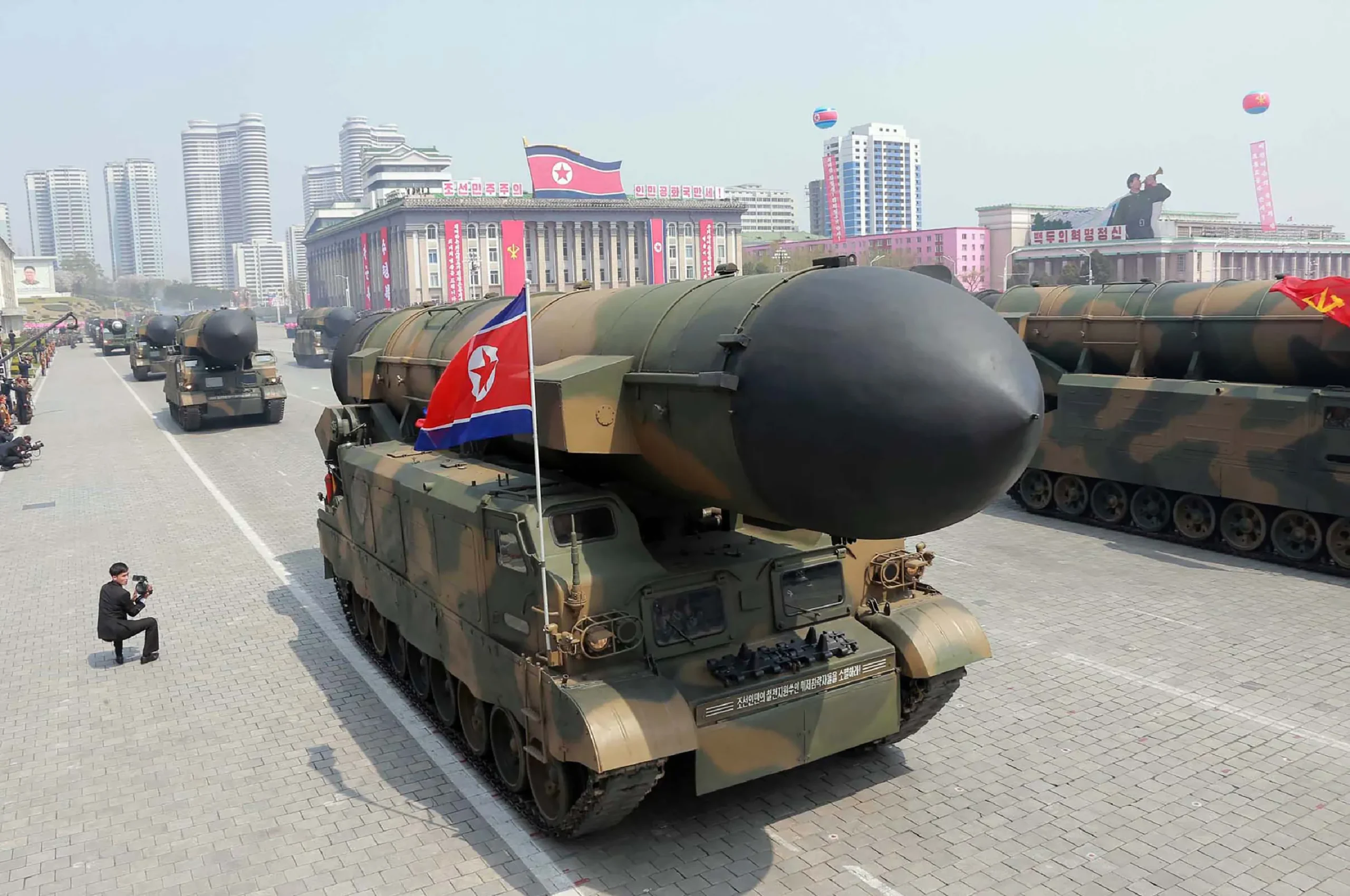
While both countries are important allies of the United States and share common strategic goals, particularly in addressing regional security challenges posed by North Korea and China, their historical disputes continue to impede cooperation and stability in the region. This article explores the roots of Japan-South Korea tensions, their modern-day manifestations, and the prospects for improving relations between these two crucial Asian powers.
The Historical Roots of Japan-South Korea Tensions
The historical backdrop of Japan-South Korea relations is dominated by the period of Japanese colonial rule over Korea. From 1910 to 1945, Korea was subjected to harsh Japanese rule that saw widespread exploitation, forced labor, and the infamous issue of “comfort women” – women who were forced into sexual slavery by the Japanese military during World War II.
1. Korean Independence Movement and Japan’s Colonial Rule:
During Japan’s colonization, the Korean people suffered severe oppression, including forced assimilation, cultural suppression, and economic exploitation. The Japanese government imposed its language and culture on the Koreans, while stripping them of political autonomy and economic control. The harsh treatment led to resistance movements, which were often met with brutal force by Japanese authorities.
The end of World War II and Japan’s subsequent defeat in 1945 marked the end of its colonial rule over Korea. However, the scars left by the occupation continue to affect relations between Japan and South Korea, with many Koreans feeling that Japan has not fully acknowledged or atoned for the suffering endured during that period.
2. The Comfort Women Issue:
One of the most contentious issues between Japan and South Korea is the treatment of Korean women forced into sexual slavery by the Japanese military during World War II. Estimates suggest that tens of thousands of women, many from Korea, were coerced into serving in military brothels under horrific conditions.
Although Japan issued a formal apology in 1993 through the Kono Statement and a 2015 agreement was made between the two governments, many South Koreans feel that Japan has not taken sufficient responsibility or offered proper reparations. The comfort women issue remains a significant source of national anger in South Korea, with regular protests and calls for Japan to offer a more sincere apology.
3. Territorial Disputes:
Another point of tension is the territorial dispute over the Dokdo/Takeshima islands, which are controlled by South Korea but claimed by Japan. The islands are located in the Sea of Japan (East Sea), and both nations assert historical ownership over them. South Korea refers to them as Dokdo, while Japan calls them Takeshima. This territorial dispute has become a symbol of national pride for both countries, with frequent diplomatic clashes over sovereignty and the use of the islands.
Modern-Day Diplomatic Tensions
While historical issues form the foundation of Japan-South Korea tensions, modern-day diplomatic challenges have further exacerbated the situation. These tensions often manifest in economic disputes, trade restrictions, and differences over regional security and international alliances.
1. Trade Disputes and Economic Sanctions:
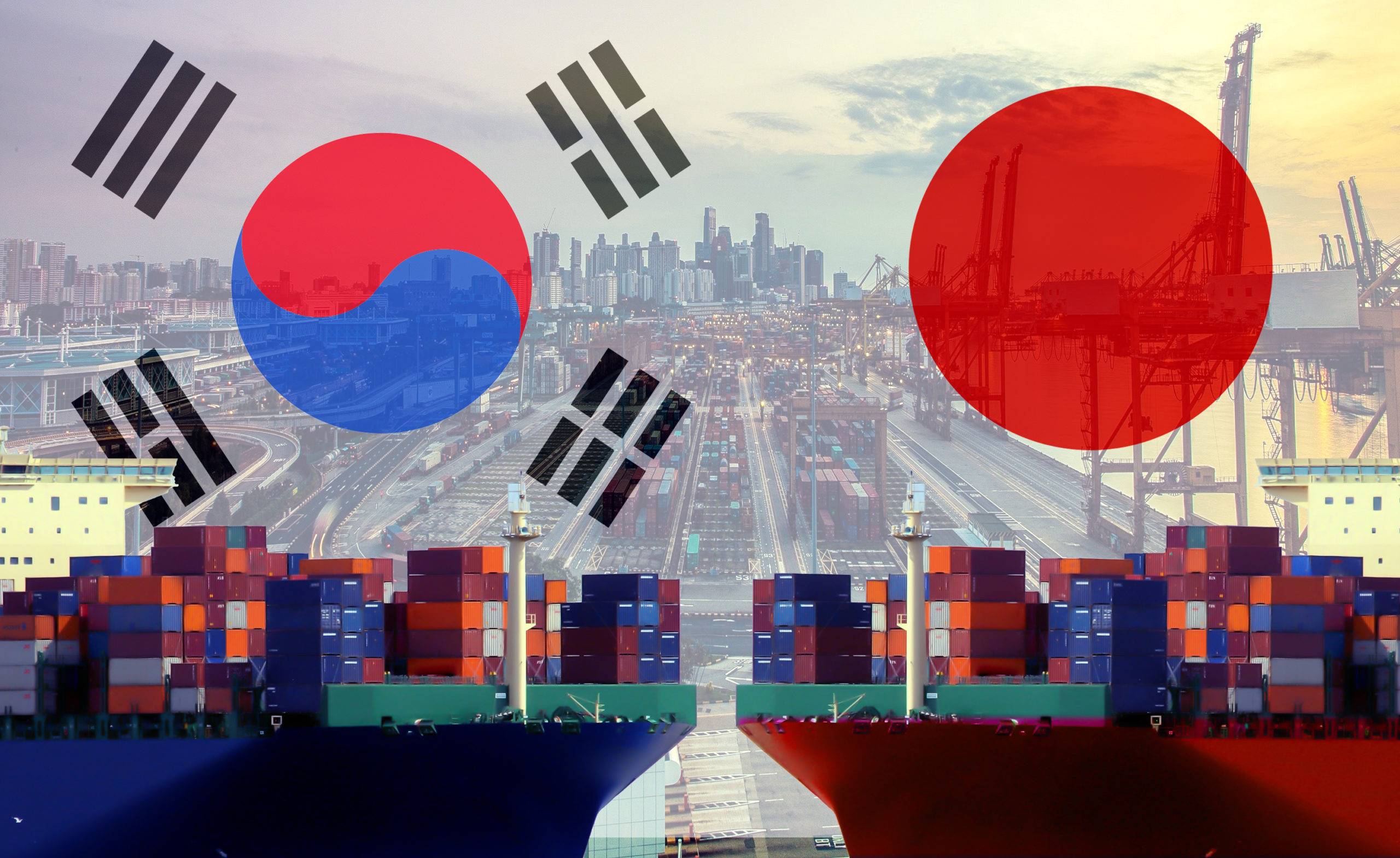
In recent years, Japan and South Korea have been involved in a bitter trade dispute. In 2019, Japan imposed export restrictions on key materials essential for South Korea’s semiconductor industry, a move that was widely perceived as retaliation for a 2018 South Korean court ruling that ordered Japanese companies to compensate Korean victims of forced labor during the colonial era.
The trade restrictions sparked a major diplomatic crisis, with South Korea accusing Japan of using economic pressure to resolve historical issues. In response, South Korea took the matter to the World Trade Organization (WTO), further intensifying the trade dispute.
2. The “Comfort Women” Issue in the Modern Era:
Despite the 2015 agreement between Japan and South Korea regarding the comfort women issue, the implementation of the deal has faced significant setbacks. In 2018, the South Korean government decided to review the agreement, citing public dissatisfaction and the lack of genuine resolution for the survivors.
This decision reignited tensions, with Japan accusing South Korea of breaching the agreement. Additionally, the presence of comfort women statues in South Korea, placed near Japanese embassies and consulates, has become a flashpoint in bilateral relations. Japan views these statues as an affront to its dignity and a reminder of unresolved grievances.
3. Security Alliances and Diverging Priorities:
While Japan and South Korea both share concerns about North Korea’s nuclear ambitions and the growing influence of China in the region, their security priorities and approaches often diverge. South Korea’s strong alliance with the United States has led to cooperation in military drills and missile defense systems, including the Terminal High Altitude Area Defense (THAAD) system. However, Japan has expressed concern over the environmental impact and potential security risks of the THAAD system being deployed in South Korea.
Moreover, while both countries are members of key international organizations, such as the United Nations and the G20, they have not always been able to align on regional security issues. Japan’s pacifist constitution, which limits its military activities, also complicates its ability to take a more proactive role in regional defense, while South Korea is increasingly focused on maintaining its military deterrence against North Korea.
The Role of China and the United States
Both China and the United States play pivotal roles in the dynamics of Japan-South Korea relations. The United States is a key ally of both nations, having military bases in both Japan and South Korea, and is committed to ensuring regional security in East Asia. However, the U.S. has sometimes found it challenging to mediate between its two allies, particularly as tensions have escalated over trade and historical issues.
China, as a rising power and regional rival to both Japan and South Korea, has been a complicating factor in the relationship. Both countries are concerned about China’s growing influence in the region, but they have different approaches to dealing with Beijing. South Korea has focused more on economic cooperation with China, while Japan has taken a more cautious stance, particularly in light of China’s growing assertiveness in the East China Sea and South China Sea.
The Path to Reconciliation: Can Japan and South Korea Find Common Ground?
Despite the deep-rooted historical and contemporary tensions, there are avenues for reconciliation between Japan and South Korea. Diplomatic efforts aimed at finding common ground have been made, and the potential for improved relations remains, especially in light of the shared security threats in the region.
1. Acknowledging History:
For meaningful reconciliation to occur, Japan must take more concrete steps in acknowledging its historical wrongs, particularly with regard to the comfort women issue. A more genuine apology and reparations could help heal the wounds of the past and foster a climate of trust.
2. Strengthening Economic Cooperation:
Economic cooperation has long been a pillar of the Japan-South Korea relationship. Despite trade disputes, both nations are economically intertwined, with Japan being South Korea’s third-largest trading partner and South Korea being Japan’s fourth-largest. Strengthening economic ties through dialogue and mutual understanding could serve as a foundation for broader cooperation.
3. Regional Security Cooperation:
Both Japan and South Korea share common security concerns, particularly regarding North Korea’s nuclear threat. While past disagreements over military cooperation have complicated matters, greater collaboration on defense issues and a unified stance on regional security could help bridge divides and provide a more robust response to regional challenges.