

Introduction
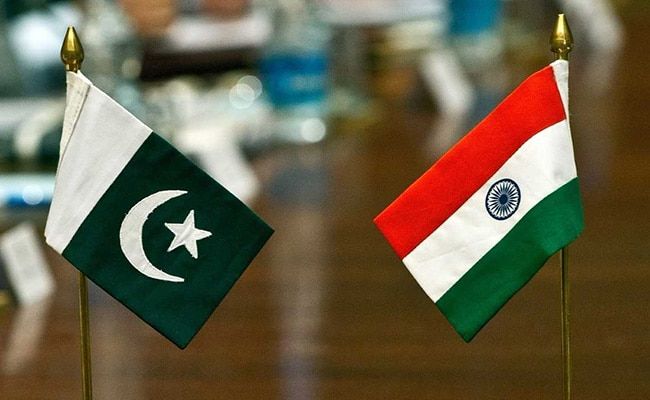
India and Pakistan share a long and complex history that has been defined by both cooperation and conflict. The partition of British India in 1947 led to the creation of two independent nations, India and Pakistan, and sowed the seeds of what has become one of the most enduring and contentious rivalries in modern history. The relationship between these two nuclear-armed neighbors has been marked by territorial disputes, wars, cross-border terrorism, and attempts at diplomacy.
Despite the numerous efforts at peace, the India-Pakistan relationship remains fragile, with periods of intense conflict interspersed with diplomatic breakthroughs. This article delves into the historical, political, and security dimensions of India-Pakistan relations, examining the root causes of their rivalry, the key issues at stake, and the potential for future cooperation or conflict.
The Origins of the India-Pakistan Rivalry
The roots of the India-Pakistan conflict lie in the partition of British India in 1947. The British decision to divide India along religious lines created two separate nations: India, with a Hindu majority, and Pakistan, created as a homeland for Muslims. The partition was accompanied by widespread violence, mass displacement, and deep-seated animosities between Hindus and Muslims, which laid the foundation for the rivalry between India and Pakistan.
The partition also left unresolved issues, most notably the status of Jammu and Kashmir. Both India and Pakistan claim the region, and this territorial dispute has been a key point of tension in their relationship ever since.
Key Areas of Conflict
Several core issues have defined the India-Pakistan relationship over the decades, leading to recurring cycles of tension and conflict.
1. The Kashmir Dispute:
The dispute over the region of Jammu and Kashmir is the most enduring and central issue in India-Pakistan relations. The princely state of Jammu and Kashmir, which was predominantly Muslim, chose to accede to India in 1947, a decision that was contested by Pakistan. Since then, both countries have fought three major wars (1947, 1965, and 1971) and numerous skirmishes over Kashmir, with both countries administering parts of the region.
The situation became further complicated in 2019, when India revoked the special status of Jammu and Kashmir, a move that was met with protests and condemnation from Pakistan. This decision has escalated tensions, and Kashmir remains a flashpoint for potential conflict between the two countries.
2. Terrorism and Cross-Border Militancy:
Another significant source of tension between India and Pakistan is the issue of terrorism and cross-border militancy. India accuses Pakistan of supporting and harboring terrorist groups that operate in Kashmir and other parts of India. The 2001 Indian Parliament attack and the 2008 Mumbai attacks, both of which were carried out by Pakistan-based militant groups, have fueled distrust and hostility between the two countries.
Pakistan, on the other hand, argues that it is the victim of Indian aggression, and it often points to India’s alleged involvement in Baloch separatism and other regional conflicts within Pakistan. The presence of militant groups and the inability of both countries to fully address these concerns have perpetuated a cycle of violence and mistrust.
3. Nuclear Arms Race:
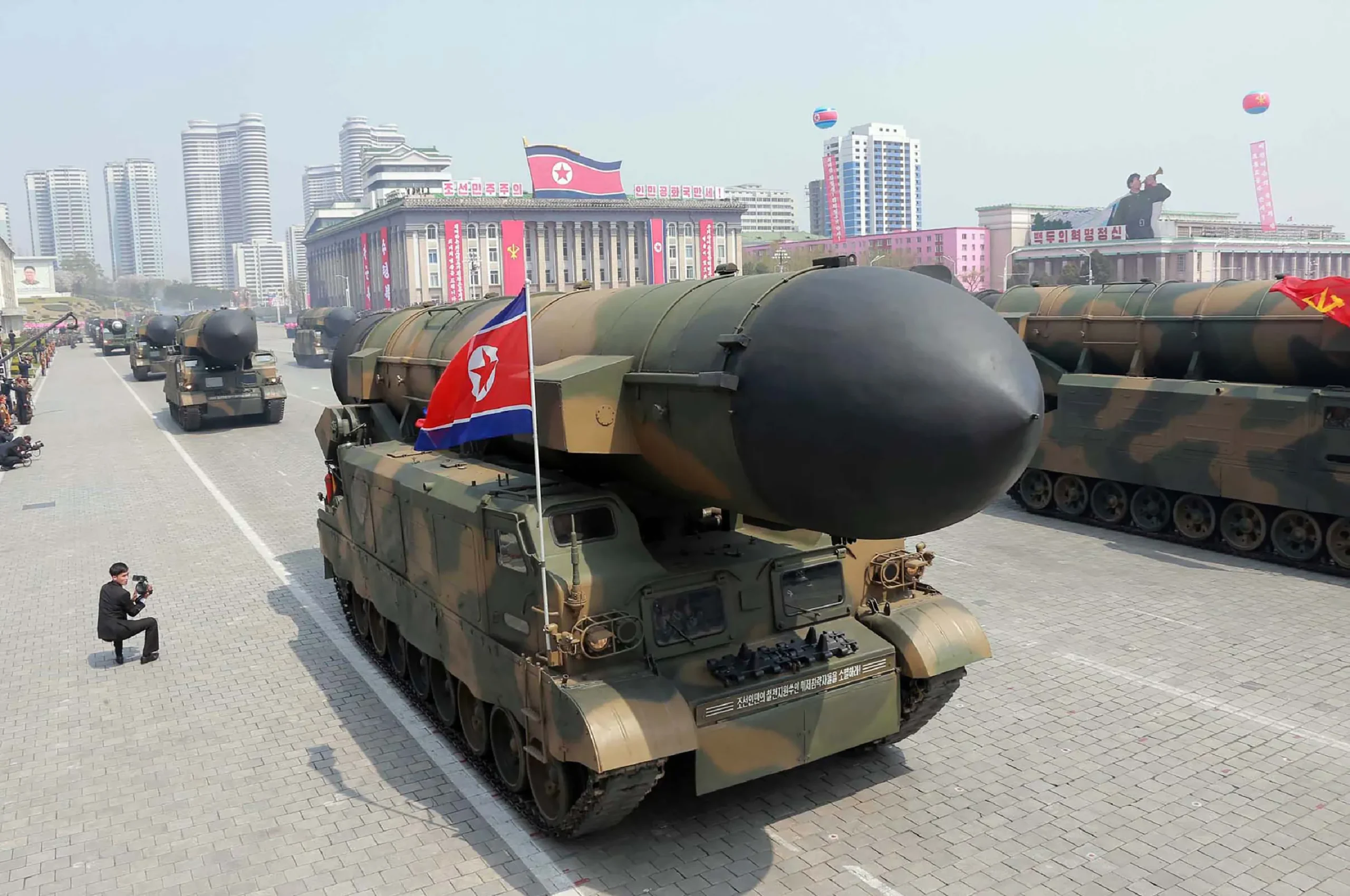
The nuclearization of India and Pakistan in 1998 added a dangerous dimension to their rivalry. Both countries possess nuclear weapons, and this has led to concerns about the possibility of a full-scale war escalating into a nuclear conflict. The nuclear capabilities of both nations have altered the security dynamics of South Asia, making conventional wars less likely but increasing the risk of limited conflicts, miscalculations, and the potential use of nuclear weapons.
Despite this nuclear deterrent, both India and Pakistan continue to engage in military standoffs, border skirmishes, and other forms of aggression. The nuclear arms race has also made it difficult to find a lasting peace solution, as both countries maintain that their security interests are deeply tied to their military capabilities.
4. The Role of the International Community:
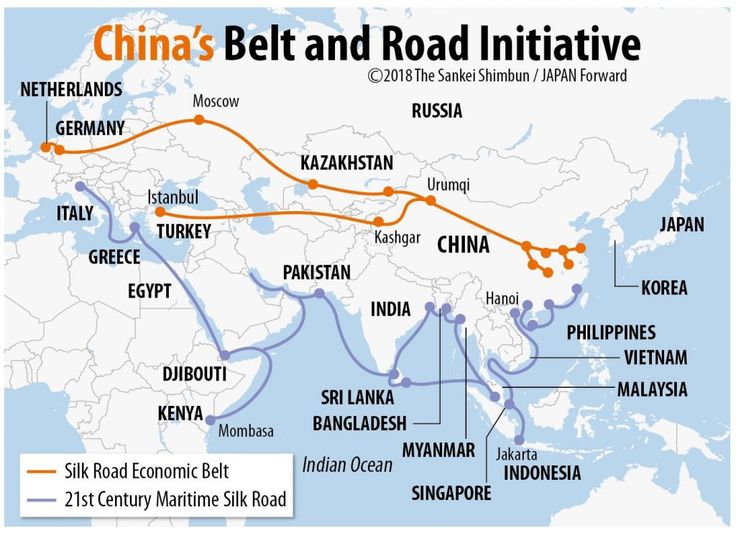
The involvement of global powers has further complicated India-Pakistan relations. The United States, China, and other countries have often played roles in either supporting one side or attempting to mediate peace efforts. China, in particular, is an important factor in the relationship, as it has a close strategic partnership with Pakistan, providing military and economic support. India, on the other hand, has increasingly strengthened its ties with the United States, particularly in the areas of defense and trade.
These external alliances have added layers of complexity to the conflict, with international interests often influencing the dynamics of India-Pakistan relations.
Diplomacy and Attempts at Peace
Despite the prolonged history of conflict, both India and Pakistan have attempted to engage in peace processes on multiple occasions. There have been numerous dialogues, summits, and peace initiatives aimed at resolving their disputes. Some notable attempts at diplomacy include:
1. The Shimla Agreement (1972):
After the 1971 war, India and Pakistan signed the Shimla Agreement, which outlined the principles for bilateral relations and emphasized the importance of resolving disputes through peaceful means. However, the Kashmir dispute remained unresolved, and subsequent violations of the agreement have hindered its long-term success.
2. The Lahore Declaration (1999):
In 1999, Indian Prime Minister Atal Bihari Vajpayee visited Lahore, where he and Pakistani Prime Minister Nawaz Sharif signed the Lahore Declaration, reaffirming the commitment to resolving the Kashmir issue peacefully. However, this initiative was short-lived, as the Kargil conflict broke out later that year, leading to a collapse of the peace process.
3. The Composite Dialogue (2004–2007):
The Composite Dialogue process, initiated in 2004, included discussions on key issues such as Kashmir, terrorism, and military confidence-building measures. While progress was made in some areas, the dialogue ultimately broke down due to terrorist attacks, most notably the 2008 Mumbai attacks.
4. The 2015 and 2016 Peace Talks:
There were further attempts at dialogue between the two countries, particularly during the tenure of Indian Prime Minister Narendra Modi and Pakistani Prime Minister Nawaz Sharif. However, these talks have been interrupted by military skirmishes, terrorist attacks, and a lack of mutual trust.
Current State of Relations and the Path Forward
The India-Pakistan relationship remains in a fragile state, with both countries navigating complex domestic and international pressures. In recent years, the focus has shifted toward regional security and the evolving geopolitical dynamics in South Asia. While the nuclear deterrent has prevented full-scale wars, both nations continue to engage in indirect forms of conflict, such as proxy wars, cyberattacks, and diplomatic isolation.
The possibility of peace hinges on several factors:
Leadership: Strong political will and leadership are needed on both sides to break the cycle of mistrust and initiate meaningful dialogue.
Kashmir: Finding a resolution to the Kashmir issue remains critical for long-term peace. A peaceful settlement that respects the aspirations of the people of Kashmir is essential.
Terrorism: Both countries must address cross-border terrorism in a way that fosters trust and cooperation rather than hostility.
Regional Cooperation: Greater regional cooperation, particularly between India, Pakistan, and Afghanistan, could help reduce tensions and encourage stability in South Asia.