





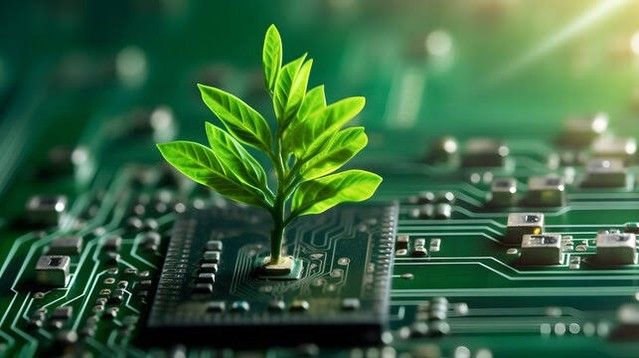
In the face of climate change, environmental degradation, and the growing demand for energy, the world is shifting toward green energy technologies—innovative solutions that provide sustainable, eco-friendly alternatives to traditional fossil fuels. Green Energy Tech, also known as clean tech, is at the heart of this global transition, driving a revolution in how we generate, store, and consume energy.
This comprehensive guide delves into the core concepts, cutting-edge technologies, global trends, and future potential of green energy. Whether you’re a policy-maker, entrepreneur, student, or eco-conscious consumer, understanding green energy tech is key to building a resilient, low-carbon future.
⚡ What is Green Energy Technology?
Green energy technology refers to energy sources and systems that have minimal environmental impact, typically derived from renewable resources such as sunlight, wind, water, biomass, and geothermal heat. These technologies aim to reduce greenhouse gas emissions, combat global warming, and promote energy independence.
Core characteristics of green energy tech include:
Sustainability – harnesses naturally replenishing sources.
Low environmental impact – emits little to no pollutants.
Scalability – applicable from household to industrial scale.
Efficiency & innovation – often supported by digital tech (IoT, AI, blockchain).
☀️ Types of Green Energy Technologies
1. Solar Power Technologies
Solar energy is one of the most accessible and widely adopted green technologies.
Photovoltaic (PV) Panels: Convert sunlight directly into electricity. Now used in homes, businesses, and large-scale solar farms.
Solar Thermal Systems: Use sunlight to heat water or air for residential, commercial, or industrial use.
Concentrated Solar Power (CSP): Uses mirrors or lenses to focus sunlight onto a small area to generate heat, which then drives a turbine.
2. Wind Energy Technologies
Wind turbines convert kinetic energy from wind into electricity.
Onshore Wind Farms: Located on land; cheaper but affected by terrain and local weather.
Offshore Wind Farms: Built in oceans or lakes, where winds are stronger and more consistent.
3. Hydropower and Ocean Energy
Hydropower: Generates electricity using the flow of water through dams or run-of-the-river systems.
Tidal Energy: Harnesses the rise and fall of ocean tides.
Wave Energy: Captures energy from surface waves on oceans and seas.
4. Geothermal Energy
This form of energy taps into heat from beneath the Earth’s surface to generate electricity or provide direct heating.
Geothermal Power Plants: Use steam from underground to turn turbines.
Geothermal Heat Pumps: Regulate indoor temperatures in homes and buildings.
5. Bioenergy and Biomass Technologies
Bioenergy is derived from organic materials like wood, agricultural waste, algae, or even garbage.
Biomass Power Plants: Burn organic materials to produce heat and electricity.
Biofuels (Ethanol, Biodiesel): Used for transportation.
Biogas: Produced by anaerobic digestion of organic matter (e.g., in waste treatment).
🔋 Energy Storage & Smart Grid Integration
Green energy is intermittent (e.g., solar at night or wind during calm weather), making energy storage and smart grids essential to ensure reliability.
Battery Storage Systems: Store surplus electricity for use during demand peaks (e.g., lithium-ion, flow batteries, solid-state batteries).
Pumped Hydroelectric Storage: Pumps water uphill when energy is abundant and releases it to generate power later.
Smart Grids: Use digital communication to manage electricity supply and demand dynamically, reducing waste and improving efficiency.
🏙️ Urban & Industrial Applications of Green Energy
Green tech is not limited to power plants—it’s transforming cities, homes, and factories too:
Green Buildings: Equipped with solar panels, energy-efficient HVAC, and intelligent energy management.
Eco-Cities: Smart urban planning integrates renewable energy, green transportation, and sustainable construction.
Industrial Decarbonization: Green hydrogen, electric boilers, and carbon capture help factories reduce emissions.
🌍 Global Trends and Initiatives
Governments and organizations around the world are pushing the envelope on clean energy tech:
Net Zero Goals: Over 130 countries have pledged to reach net-zero carbon emissions by 2050.
Green Tech Startups: Innovators are disrupting traditional energy models with AI, blockchain, and IoT.
International Agreements: The Paris Agreement promotes a global shift to renewables.
Investment Boom: Clean energy investment surpassed $1.7 trillion globally in 2023, outpacing fossil fuels.
🧠 Role of AI, IoT, and Digital Twins in Green Energy
AI & Machine Learning: Used to predict energy demand, optimize generation, and detect faults.
IoT Sensors: Monitor energy flows and equipment health in real-time.
Digital Twins: Simulate entire power grids or wind farms to test improvements before real-world implementation.
🛠️ Challenges Facing Green Energy Tech
Despite rapid growth, green energy tech must overcome several hurdles:
Intermittency & Storage: Balancing supply and demand remains complex.
High Upfront Costs: Installation can be expensive without subsidies.
Land Use Conflicts: Solar farms and wind projects may compete with agriculture or conservation.
Regulatory Barriers: Varying policies and red tape slow adoption.
🌟 Future of Green Energy: What’s Coming?
Green Hydrogen: A clean fuel made by electrolyzing water using renewable electricity.
Perovskite Solar Cells: Promising higher efficiency and lower cost than silicon-based panels.
Nuclear Fusion: Potentially limitless, clean energy (still experimental but advancing).
Carbon Capture & Utilization (CCU): Converts CO₂ emissions into usable products like fuels or building materials.
AI-Driven Smart Homes: Self-optimizing energy usage based on weather and habits.