





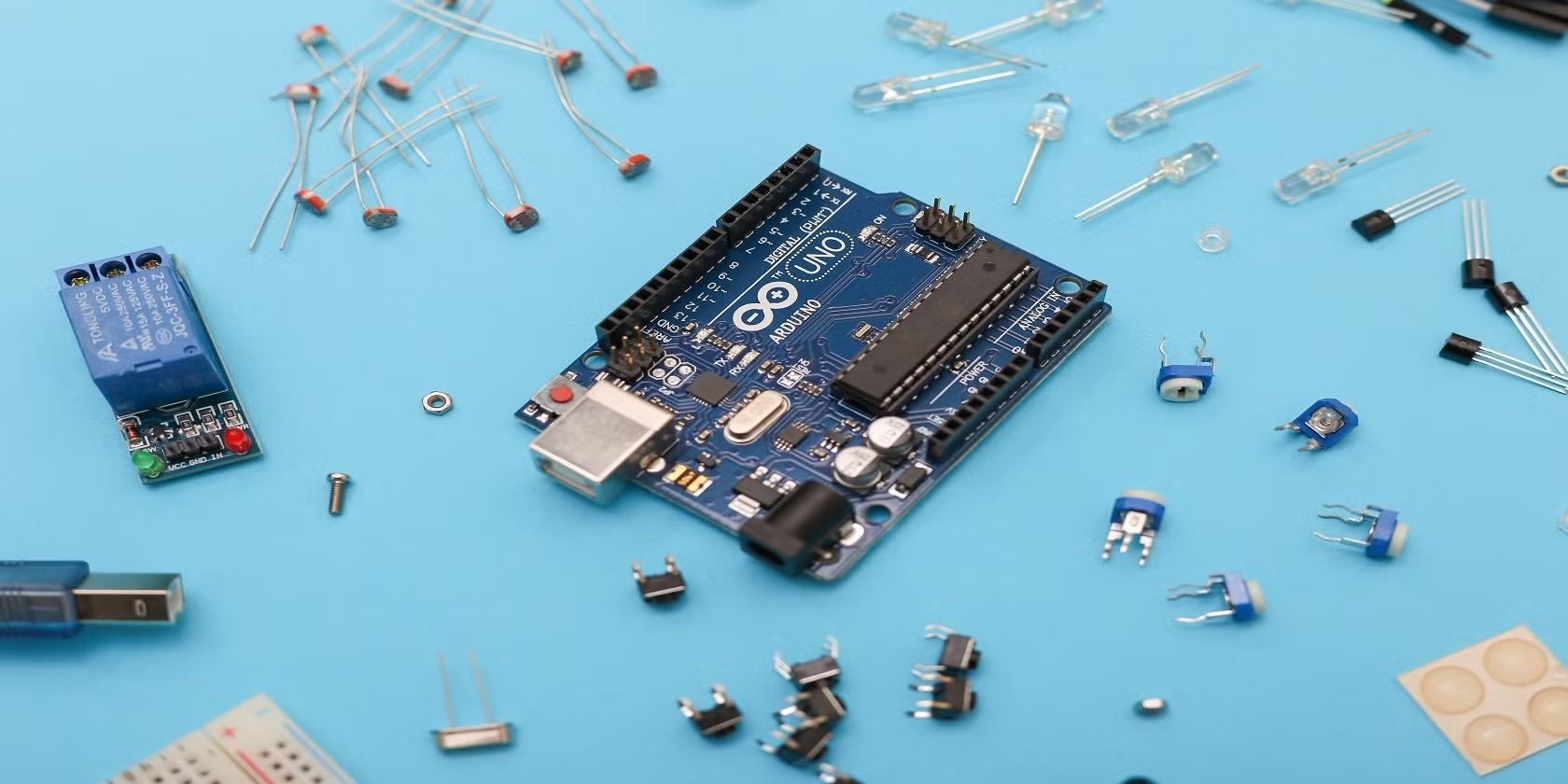
In today’s rapidly evolving digital world, technology isn’t just something we use—it’s something we can build, modify, and personalize. The do-it-yourself (DIY) tech movement empowers individuals to move beyond passive consumption and become creators of innovative, custom solutions. Whether you’re a student, hobbyist, engineer, or lifelong learner, DIY tech projects offer a hands-on way to explore, understand, and shape the future of technology.
This guide dives deep into the world of DIY tech, highlighting inspiring ideas, tools you’ll need, and practical tips to bring your own tech creations to life.
Why DIY Tech Projects?
The beauty of DIY technology lies in its accessibility and endless possibility. From building a smart home assistant to customizing a gaming keyboard or coding your own mobile app, there’s something for everyone. Key benefits include:
Skill Development: Learn coding, electronics, hardware integration, design thinking, and problem-solving.
Creativity: Turn ideas into real, working products.
Cost Efficiency: Build high-value tools or gadgets for a fraction of the commercial price.
Sustainability: Reuse old tech components, reduce e-waste, and extend device life.
Personal Satisfaction: Experience the joy of making something with your own hands.
Popular Categories of DIY Tech Projects
1. Home Automation Projects
Control your lights, fans, or appliances using smartphones or voice commands.
Smart Light Control System using Arduino or Raspberry Pi
Voice Assistant Integration with Amazon Alexa or Google Assistant
Home Security System with motion sensors and live video streaming
Smart Door Lock controlled by app or fingerprint scanner
2. Raspberry Pi & Arduino Builds
These microcontrollers are the heart of many DIY projects thanks to their versatility and affordability.
Retro Gaming Console with Raspberry Pi and EmulationStation
Weather Station using sensors and cloud dashboards
Automatic Plant Watering System for smart gardening
RFID Attendance Tracker or electronic voting machine
3. Wearable Tech DIY
Create custom wearables that blend fashion, function, and innovation.
Heart Rate Monitor using Arduino + pulse sensor
Smartwatch Clone with step tracking and notifications
LED-Embedded Apparel for events, performances, or safety
Fitness Tracker Band to log calories and movement
4. PC Mods and Customizations
Upgrade your desktop rig, enhance performance, or build from scratch.
Build a Gaming PC with custom RGB lighting
Create a Custom Mechanical Keyboard with hot-swappable switches
Liquid Cooling Loop Installation for quieter and cooler systems
VR Headset Stand or dedicated gaming desk setup
5. Mobile App & Web Projects
Use no-code tools or programming languages like JavaScript, Python, or Swift.
To-Do List or Habit Tracker App
Budget Planner or Expense Tracker
IoT Dashboard Interface for real-time device control
Augmented Reality (AR) Filters or Effects
Tools & Resources to Get Started
Hardware Essentials
Microcontrollers: Arduino Uno, Raspberry Pi 4, ESP8266
Sensors & Modules: Temperature, humidity, PIR motion sensors, relays, RFID
Breadboards & Jumper Wires for prototyping
Soldering Kit: Soldering iron, wire, desoldering pump
Multimeter for electrical diagnostics
Basic Tools: Screwdrivers, pliers, wire cutters
Software & Platforms
Arduino IDE or PlatformIO for coding microcontrollers
Visual Studio Code, PyCharm, or Thonny for general programming
TinkerCAD or Fritzing for circuit design
MIT App Inventor, Thunkable for drag-and-drop mobile apps
Fusion 360 or Blender for 3D design
Online Learning Resources
YouTube Channels: GreatScott!, TechBuilder, Paul McWhorter
Courses: Coursera, Udemy, edX (electronics, robotics, programming)
Forums & Communities: Arduino.cc, Stack Overflow, Hackaday.io, Reddit r/DIY
Advanced Projects for Ambitious Makers
Ready to level up? Try these high-complexity builds:
3D Printed Robot Arm controlled via Bluetooth
Drone with FPV Camera and custom flight controller
AI-Powered Pet Feeder using TensorFlow Lite
Blockchain Voting System using Raspberry Pi nodes
Smart Mirror that displays calendar, weather, and news
Safety Tips for DIY Tech Work
Work in a Ventilated Area when soldering or using 3D printers.
Double Check Connections to avoid short circuits.
Use a Surge Protector for powering hardware projects.
Wear Eye Protection when working with power tools.
Respect Voltage Levels—understand AC vs. DC risks.