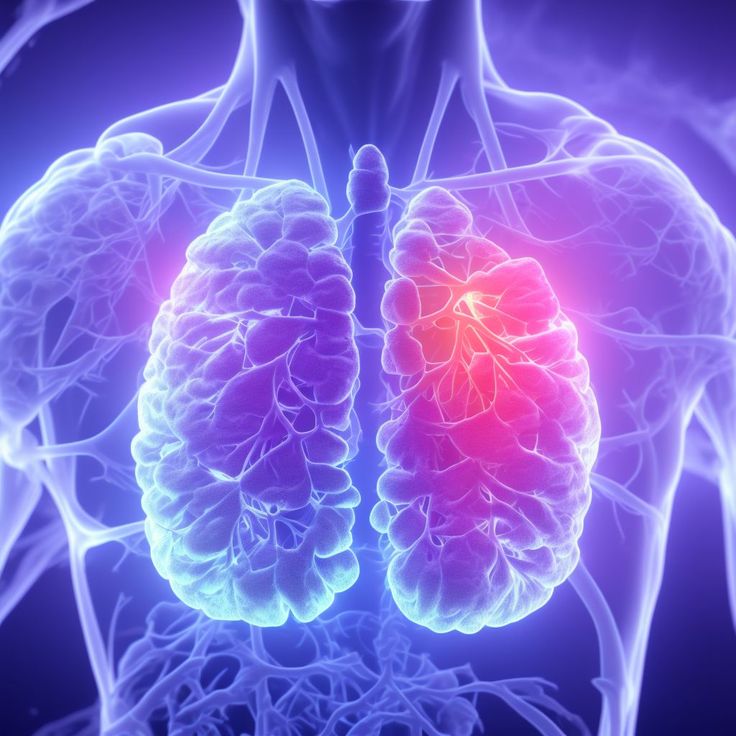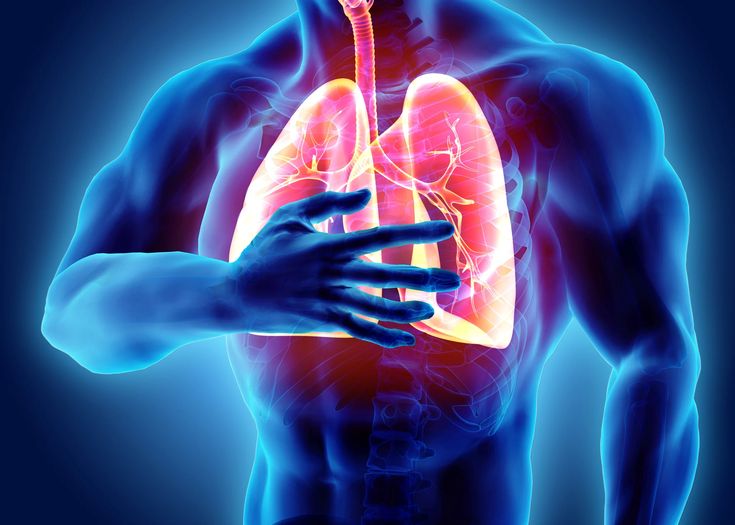






Asthma is a chronic respiratory condition that affects millions of people worldwide. Proper asthma management is essential to control symptoms, prevent attacks, and maintain a good quality of life. This guide covers everything you need to know about asthma management, including symptoms, triggers, treatment options, and lifestyle adjustments.
1. Understanding Asthma
What is Asthma?
Asthma is a chronic inflammatory disease of the airways that causes:
Swelling and narrowing of the bronchial tubes
Increased mucus production
Wheezing, coughing, and shortness of breath
Common Asthma Symptoms
Wheezing (a whistling sound when breathing)
Shortness of breath
Chest tightness
Persistent coughing (especially at night or early morning)
Types of Asthma
Allergic Asthma – Triggered by allergens like pollen, dust mites, or pet dander.
Non-Allergic Asthma – Caused by stress, cold air, smoke, or infections.
Exercise-Induced Asthma – Symptoms triggered by physical activity.
Occupational Asthma – Caused by workplace irritants like chemicals or fumes.
Severe (Refractory) Asthma – Difficult to control with standard medications.
2. Asthma Triggers & Prevention
Common Asthma Triggers
Allergens: Pollen, mold, pet dander, dust mites
Irritants: Smoke, air pollution, strong odors
Respiratory Infections: Colds, flu, sinus infections
Weather Changes: Cold air, humidity, thunderstorms
Physical Activity: Exercise-induced asthma
Stress & Strong Emotions: Anxiety, laughter, crying
How to Avoid Triggers
✔ Use allergen-proof mattress and pillow covers.
✔ Keep indoor humidity below 50% to prevent mold.
✔ Avoid smoking and secondhand smoke.
✔ Stay indoors on high pollen or pollution days.
✔ Get a yearly flu vaccine to prevent infections.
3. Asthma Diagnosis & Monitoring
Diagnostic Tests
Spirometry – Measures lung function.
Peak Flow Test – Tracks airflow obstruction.
Allergy Testing – Identifies allergic triggers.
FeNO Test – Measures airway inflammation.
Asthma Action Plan
An asthma action plan (created with your doctor) includes:
✅ Green Zone (Well-Controlled) – No symptoms, peak flow 80-100%.
✅ Yellow Zone (Caution) – Mild symptoms, peak flow 50-80%.
✅ Red Zone (Medical Alert) – Severe symptoms, peak flow below 50%.
4. Asthma Treatment Options
Quick-Relief Medications (Rescue Inhalers)
Short-acting beta-agonists (SABAs) – Albuterol (Ventolin, ProAir).
Anticholinergics – Ipratropium (Atrovent).
Long-Term Control Medications
Inhaled Corticosteroids (ICS) – Fluticasone (Flovent), Budesonide (Pulmicort).
Leukotriene Modifiers – Montelukast (Singulair).
Long-acting Beta Agonists (LABAs) – Salmeterol (Serevent).
Biologic Therapies (For Severe Asthma)
Omalizumab (Xolair) – For allergic asthma.
Mepolizumab (Nucala) – For eosinophilic asthma.
5. Lifestyle & Home Remedies for Asthma
Breathing Exercises
Pursed-Lip Breathing – Helps slow breathing and reduce shortness of breath.
Diaphragmatic Breathing – Strengthens the diaphragm for better airflow.
Diet & Nutrition
Anti-inflammatory foods: Fatty fish, leafy greens, berries.
Vitamin D-rich foods: Eggs, fortified milk, sunlight exposure.
Avoid sulfites: Found in wine, dried fruits, processed foods.
Exercise & Physical Activity
Best exercises: Swimming, walking, yoga.
Warm up before workouts to prevent exercise-induced asthma.
6. Managing Asthma in Children
Recognize early symptoms (coughing at night, fatigue after play).
Ensure proper inhaler technique (use a spacer if needed).
Inform teachers & coaches about the child’s asthma action plan.
7. Emergency Asthma Care
Recognizing Severe Asthma Attacks
🚨 Seek emergency help if:
Lips or fingernails turn blue.
Struggling to speak or walk.
No improvement after using a rescue inhaler.
What to Do During an Attack
Stay calm and sit upright.
Use a rescue inhaler (1 puff every 30-60 seconds, up to 10 puffs).
Call emergency services if symptoms worsen.