





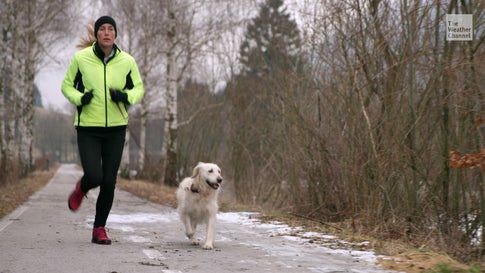
As winter blankets the world in chilly winds and falling temperatures, it’s not just your hands and feet that feel the sting—your lungs do too. Cold weather can be more than uncomfortable; for those with respiratory conditions, it can become a genuine health hazard.
Whether you have asthma, COPD, or just experience occasional breathlessness in cold air, understanding how colder temperatures affect your lungs is essential to staying healthy all season long.
🌬️ How Cold Air Affects Your Lungs
Cold air is often dry, and when we breathe it in, it can irritate our airways. For healthy individuals, this might just cause minor discomfort. But for those with lung issues, it can trigger serious symptoms.
Here’s what happens when cold air hits your lungs:
Constriction of Airways: Cold temperatures can cause bronchospasm, where the muscles around your airways tighten, making it harder to breathe.
Dryness: Cold air typically has less moisture, which dries out the respiratory tract and can cause coughing or throat irritation.
Increased Mucus Production: To protect the airways, your body may produce more mucus, which can clog air passages.
Reduced Immune Function: Cold weather weakens your immune response, making you more susceptible to infections like colds, flu, or pneumonia.
🫁 Who Is Most at Risk?
While everyone can feel the impact of cold air on their lungs, some groups need to be extra cautious:
People with asthma
Individuals with COPD or bronchitis
Seniors
Young children
People recovering from respiratory infections
Smokers or those with a history of smoking
⚠️ Symptoms to Watch For
If your lungs aren’t reacting well to the cold, your body may be sending warning signs. Don’t ignore these symptoms:
Shortness of breath, especially during activity
Wheezing or tightness in the chest
Persistent coughing
Increased mucus or phlegm
Sore throat or dry, irritated airways
Fatigue or difficulty sleeping due to breathing issues
If these symptoms worsen or persist, especially if you have an existing lung condition, seek medical attention.
🧤 How to Protect Your Lungs in Cold Weather
1. Bundle Up
Wear a scarf or breathable mask over your nose and mouth to warm and humidify the air before it reaches your lungs.
2. Breathe Through Your Nose
Nasal breathing warms and filters the air better than mouth breathing.
3. Stay Indoors When It’s Extremely Cold
Limit time outdoors during icy temperatures, high winds, or when pollution levels are high.
4. Warm Up Before Exercise
Cold air + sudden exertion can trigger symptoms. Do light indoor warm-ups before stepping outside.
5. Use a Humidifier Indoors
Combat dry air in your home by using a humidifier, especially at night.
6. Avoid Smoke and Pollution
Wood-burning stoves and car exhaust can worsen lung irritation in cold weather.
💊 Managing Lung Conditions During Winter
If you have a chronic lung disease, it’s crucial to take extra care in colder months:
Keep Medications Handy: Always carry your rescue inhaler or prescribed treatments.
Follow Your Action Plan: If you have a written asthma or COPD management plan, stick to it closely.
Get Vaccinated: Flu and pneumonia vaccines can prevent respiratory complications.
Stay Hydrated: Fluids help thin mucus, making it easier to clear your airways.
Attend Regular Checkups: Don’t skip your doctor’s appointments during winter months.
🏠 Winter-Proof Your Living Space
A safe and healthy home environment is key for lung health:
Seal Drafts: Prevent cold air from leaking into your home.
Clean Regularly: Dust, pet dander, and mold can worsen symptoms.
Avoid Overheating: High indoor heat can dry out the air—keep it comfortable, not stifling.
Ventilate Properly: Ensure good air circulation without exposing yourself to harsh outdoor air.
🥣 Nutrition and Immunity
Your diet can support your lung function and immune response during winter:
Vitamin C & D: Boost immune health—citrus fruits, leafy greens, and fortified dairy are great choices.
Omega-3 Fatty Acids: Found in fish and nuts, they help reduce inflammation.
Warm Fluids: Herbal teas, broths, and soups soothe the throat and keep you hydrated.


