


What is COPD?
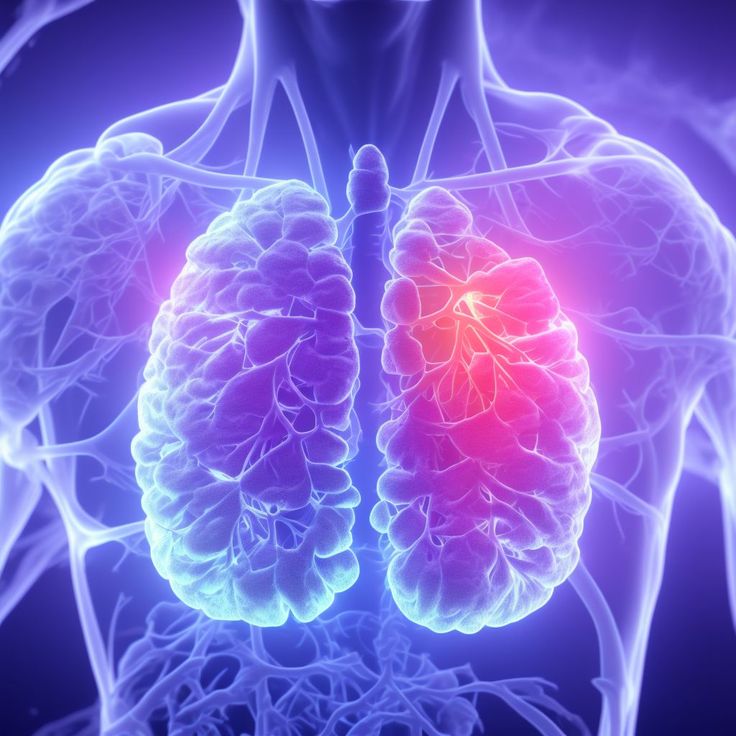
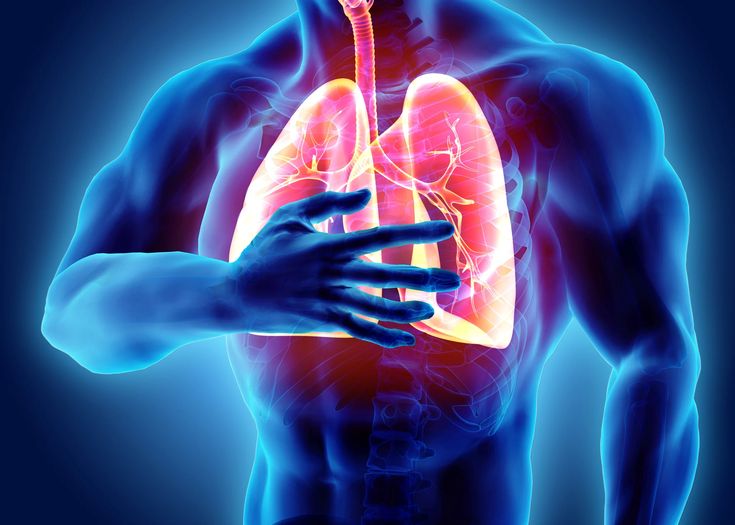
Chronic Obstructive Pulmonary Disease (COPD) is a progressive lung disease that makes it difficult to breathe. It includes two main conditions:
Chronic Bronchitis – Long-term inflammation of the airways, leading to excessive mucus and coughing.
Emphysema – Damage to the air sacs (alveoli) in the lungs, reducing their elasticity and causing shortness of breath.
COPD worsens over time and is a leading cause of disability and death worldwide. However, with proper management, people with COPD can improve their quality of life.
Causes & Risk Factors of COPD
The primary cause of COPD is long-term exposure to lung irritants, including:
1. Smoking (Primary Cause)
Cigarette smoking is responsible for 85-90% of COPD cases.
Pipe, cigar, and secondhand smoke also contribute.
2. Environmental & Occupational Exposure
Air pollution (dust, chemicals, fumes)
Biomass fuel exposure (burning wood, coal)
Industrial pollutants (coal mining, construction, textile industries)
3. Genetic Factors (Alpha-1 Antitrypsin Deficiency)
A rare genetic disorder that increases the risk of COPD, even in non-smokers.
4. Other Risk Factors
Asthma & Chronic Respiratory Infections
Aging (Most cases occur after age 40)
Frequent Lung Infections (Pneumonia, bronchitis)
Symptoms of COPD
Symptoms develop gradually and worsen over time:
Early Symptoms
Persistent cough (often called “smoker’s cough”)
Increased mucus production (clear, white, yellow, or green)
Mild shortness of breath, especially during physical activity
Advanced Symptoms
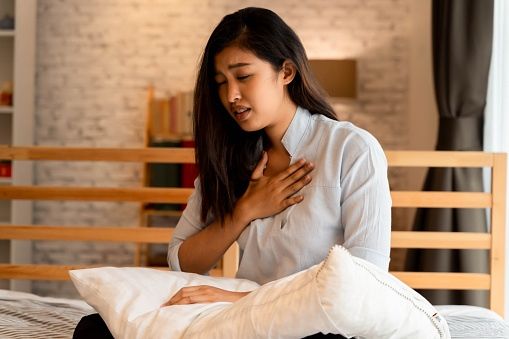
Wheezing (whistling sound while breathing)
Tightness in the chest
Frequent respiratory infections (cold, flu, pneumonia)
Fatigue & low energy
Unintended weight loss (in later stages)
Swelling in ankles, feet, or legs (due to heart complications)
COPD Exacerbations (Flare-Ups)
Sudden worsening of symptoms due to infections or pollution, leading to hospitalization in severe cases.
Diagnosis of COPD
If you have symptoms, a doctor may recommend:
1. Spirometry (Lung Function Test)
Measures how much air you can exhale and how quickly.
Confirms airflow obstruction (key diagnostic test).
2. Imaging Tests
Chest X-ray – Rules out other lung conditions.
CT Scan – Detects emphysema and lung cancer.
3. Other Tests
Arterial Blood Gas Test – Checks oxygen and CO₂ levels.
Alpha-1 Antitrypsin Test – For genetic deficiency.
Treatment & Management of COPD
While COPD has no cure, treatments can slow progression and improve symptoms.
1. Lifestyle Changes
Quit Smoking – Most critical step to prevent further damage.
Avoid Pollutants – Stay indoors on high-pollution days.
Exercise & Pulmonary Rehabilitation – Strengthens lungs and muscles.
2. Medications
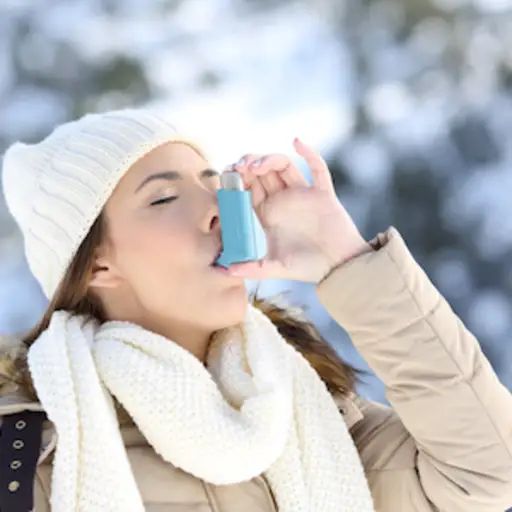
Bronchodilators (Inhalers) – Relax airway muscles (e.g., albuterol, tiotropium).
Steroids – Reduce inflammation (e.g., fluticasone).
Antibiotics – Treat lung infections.
Vaccinations – Flu & pneumonia shots to prevent complications.
3. Oxygen Therapy
For severe cases with low blood oxygen levels.
4. Surgery (In Severe Cases)
Lung Volume Reduction Surgery – Removes damaged lung tissue.
Lung Transplant – For end-stage COPD.
Prevention of COPD
Stop smoking (or never start).
Wear protective masks in polluted or dusty environments.
Improve indoor air quality (avoid smoke, use air purifiers).
Exercise regularly to maintain lung function.
Get vaccinated against flu and pneumonia.