


Introduction
Launched in 2013 by Chinese President Xi Jinping, the Belt and Road Initiative (BRI) represents one of the most ambitious global development projects of the 21st century. Often described as a modern-day Silk Road, the BRI seeks to connect countries across Asia, Africa, Europe, and beyond through a network of trade routes, infrastructure projects, and economic partnerships. With an estimated investment of over $8 trillion, the initiative aims to foster economic growth, enhance trade, and improve connectivity between participating nations.
However, the BRI is not without its controversies. While it offers significant opportunities for infrastructure development and economic cooperation, it also raises concerns about debt sustainability, geopolitical influence, and environmental impact. In this article, we explore the key components of the Belt and Road Initiative, its objectives, its global implications, and the challenges it faces.
The Core Objectives of the Belt and Road Initiative
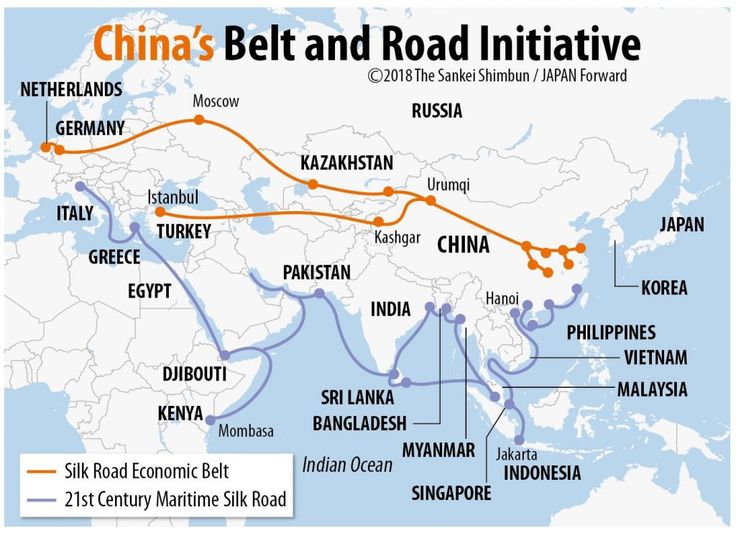
The Belt and Road Initiative is composed of two main components: the Silk Road Economic Belt and the 21st Century Maritime Silk Road. Together, these initiatives aim to create an integrated and efficient network for trade and investment, promoting global economic growth and cooperation.
1. Infrastructure Development:
The heart of the BRI lies in infrastructure development. The initiative focuses on building roads, railways, ports, airports, and energy pipelines to enhance connectivity between participating countries. Infrastructure development is seen as a critical element for stimulating economic growth, particularly in developing countries that lack the resources to fund large-scale infrastructure projects.
2. Trade and Investment:
By improving transportation and logistics, the BRI seeks to lower trade costs and increase the flow of goods between China and the rest of the world. The initiative aims to enhance trade connectivity and create new markets for Chinese products, while also encouraging foreign investment in participating countries.
3. Economic Cooperation and Growth:
Through financial support and collaborative projects, the BRI seeks to stimulate economic growth in countries along the routes. By providing loans, grants, and investment opportunities, China aims to promote industrialization, reduce poverty, and enhance the economic resilience of participating nations. The initiative also encourages partnerships between Chinese companies and local businesses, creating jobs and fostering local development.
The Geographic Scope of the Belt and Road Initiative
The Belt and Road Initiative spans more than 140 countries and regions, with the goal of fostering connectivity between Asia, Europe, Africa, and beyond. The BRI is divided into several key regions:
1. The Silk Road Economic Belt:
The Silk Road Economic Belt is a network of land-based routes that connects China to Europe, Central Asia, the Middle East, and Africa. This land route passes through several countries, including Kazakhstan, Russia, Iran, and Turkey, facilitating trade between China and Europe. The goal is to revive the historic Silk Road trade routes that once connected East and West.
2. The 21st Century Maritime Silk Road:
The Maritime Silk Road focuses on creating sea-based trade routes between China and Southeast Asia, South Asia, Africa, and Europe. Key infrastructure projects, such as deep-water ports and shipping lanes, are being developed to facilitate maritime trade. This maritime route is designed to enhance global shipping and transportation networks, linking ports in China with those in countries like Sri Lanka, Kenya, and Greece.
3. Regional Connectivity:
The BRI also includes a focus on regional connectivity, with investments in railways, highways, and energy infrastructure in countries such as Pakistan, Nepal, and Mongolia. This regional emphasis aims to strengthen economic integration and cooperation within specific regions, promoting cross-border trade and investment.
Economic and Geopolitical Implications
The Belt and Road Initiative has significant economic and geopolitical implications, both for China and for the countries involved in the project.
1. Economic Growth and Development:
The BRI has the potential to transform the economies of developing countries by providing access to much-needed infrastructure and investment. Projects such as new railways, highways, and energy pipelines can spur industrial development, create jobs, and enhance connectivity. In regions like Sub-Saharan Africa and Southeast Asia, the BRI offers a chance to close the infrastructure gap and unlock economic potential.
2. Enhancing China’s Global Influence:
The BRI is seen by many as a strategic initiative for China to expand its global influence. By financing large-scale infrastructure projects and creating economic partnerships, China is positioning itself as a central player in the global economy. The initiative also allows China to increase its political and diplomatic influence by fostering closer ties with participating countries.
3. Shifting Global Trade Routes:
The BRI is reshaping global trade routes by creating new corridors for the movement of goods. By enhancing connectivity between Asia, Europe, and Africa, the BRI is likely to alter the traditional flow of trade, with China at the center of these new trade networks. The initiative has the potential to reshape the global supply chain and strengthen China’s role in international trade.
4. Geopolitical Rivalries:
The BRI has also sparked concerns among Western countries, particularly the United States and the European Union, about China’s growing geopolitical influence. Critics argue that the BRI could lead to China’s dominance in key regions and increase its control over critical infrastructure. In response, the U.S. and some European nations have launched competing initiatives aimed at offering alternatives to the BRI.
Challenges and Controversies
While the Belt and Road Initiative has significant potential for economic growth and development, it also faces a number of challenges and controversies.
1. Debt Sustainability:
One of the most significant concerns surrounding the BRI is the issue of debt sustainability. Many countries participating in the initiative have taken on significant loans from China to fund infrastructure projects. While these projects have the potential to boost economic growth, the heavy debt burden could lead to financial instability, particularly in countries that struggle to repay the loans. Some critics argue that China’s lending practices could trap countries in a cycle of debt dependency, giving China undue influence over their economies.
2. Environmental Impact:
Large-scale infrastructure projects, such as dams, highways, and ports, can have significant environmental consequences. Critics of the BRI have raised concerns about the environmental impact of these projects, including deforestation, habitat destruction, and pollution. There are also concerns about the long-term sustainability of some of the projects, particularly those that rely on fossil fuels or disrupt local ecosystems.
3. Transparency and Governance:
There have been concerns about the transparency and governance of the BRI. Critics argue that many of the projects lack sufficient oversight, which could lead to corruption and mismanagement. The lack of clear guidelines and accountability mechanisms has raised doubts about the effectiveness of some of the infrastructure projects and their ability to deliver long-term benefits to the countries involved.
4. Geopolitical Tensions:
The Belt and Road Initiative has also become a point of tension in global geopolitics. Countries like India and Japan have expressed concerns about China’s growing influence in the Indo-Pacific region, while the U.S. and European nations have raised questions about the strategic motives behind the BRI. Some nations fear that the initiative could shift the balance of power in favor of China, particularly in regions where China has strategic interests.