


1. Introduction to Respiratory Infections
Respiratory infections like bronchitis and pneumonia affect millions worldwide. While they share some symptoms, they differ in causes, affected lung areas, and treatment approaches. Understanding these differences helps in early detection and proper care.
Key Differences at a Glance
Bronchitis: Inflammation of bronchial tubes (airways), usually viral, often milder
Pneumonia: Infection of lung air sacs (alveoli), can be bacterial/viral/fungal, potentially severe
2. Bronchitis: Types, Causes, and Risk Factors
Types of Bronchitis
Acute Bronchitis
Temporary inflammation (1-3 weeks)
Often follows cold/flu
Highly contagious
Chronic Bronchitis
Long-term condition (COPD)
Persistent cough for ≥3 months/year over 2+ years
Progressive and irreversible
Primary Causes
Viral infections (90% of cases): Rhinovirus, influenza, RSV
Bacterial infections: Mycoplasma, Bordetella pertussis (whooping cough)
Environmental irritants: Tobacco smoke, air pollution, chemical fumes
Risk Factors
Smoking/vaping (main risk for chronic bronchitis)
Weak immune system
GERD (acid reflux irritating airways)
Frequent respiratory infections
Occupational exposure (construction, mining, textile workers)
3. Bronchitis Symptoms and Complications
Common Symptoms
Persistent cough (dry or productive)
Thick mucus (clear, white, yellow, or green)
Wheezing/whistling breathing sounds
Low-grade fever (<100.4°F/38°C)
Chest tightness/discomfort
Fatigue and mild shortness of breath
Potential Complications
Secondary bacterial infection
Pneumonia (if infection spreads deeper)
Chronic bronchitis progression (with repeated episodes)
Respiratory failure (in severe COPD cases)
4. Diagnosing Bronchitis: Tests and Procedures
Doctors typically diagnose bronchitis through:
Medical History & Physical Exam
Listening to lung sounds (crackles/wheezes)
Checking for fever/swollen lymph nodes
Diagnostic Tests
Sputum culture (if bacterial infection suspected)
Chest X-ray (to rule out pneumonia)
Pulse oximetry (oxygen level check)
Pulmonary function tests (for chronic cases)
5. Bronchitis Treatment and Home Remedies
Medical Treatments
Antiviral meds (if flu-related)
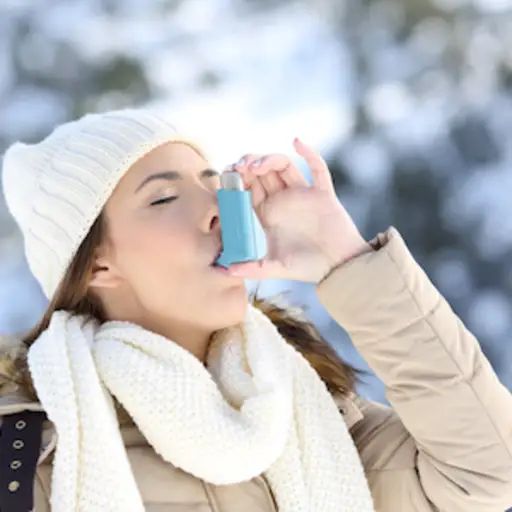
Bronchodilators (albuterol inhaler for wheezing)
Expectorants (guaifenesin to loosen mucus)
Antibiotics (only for confirmed bacterial cases)
Effective Home Remedies
Steam inhalation (with eucalyptus oil)
Honey & warm tea (soothes throat)
Saltwater gargle (reduces throat irritation)
Hydration (thins mucus secretions)
Rest (allows immune system recovery)
Recovery Timeline
Acute bronchitis: 1-3 weeks
Chronic bronchitis: Ongoing management needed
6. Pneumonia: Types and Causes
Classification by Location
Lobar pneumonia (affects one lung lobe)
Bronchopneumonia (patchy areas in both lungs)
Walking pneumonia (mild, atypical cases)
7. Pneumonia Symptoms and Severity Levels
Symptom Progression
Early Stage (24-48 hrs)
Sudden high fever (102°F+/39°C+)
Chills and shaking
Productive cough (rust-colored sputum in bacterial cases)
Advanced Stage
Sharp pleuritic chest pain (worsens with breathing)
Rapid, shallow breathing
Confusion (especially in elderly)
Bluish lips/nails (hypoxia sign)
Risk Groups for Severe Pneumonia
Infants <2 years
Adults >65 years
Immunocompromised patients
Those with chronic lung/heart conditions
8. Diagnosing Pneumonia
Diagnostic Approach
Physical Exam
Crackling sounds (rales) via stethoscope
Dull percussion note over infected area
Imaging Tests
Chest X-ray (gold standard)
CT scan (for complicated cases)
Lab Tests
CBC (elevated WBC in bacterial cases)
Blood cultures
Sputum Gram stain/culture
Urinary antigen tests (for specific bacteria)
9. Pneumonia Treatment Options
Medical Management
Bacterial Pneumonia
First-line: Amoxicillin, azithromycin
Severe cases: IV antibiotics (ceftriaxone + azithromycin)
Viral Pneumonia
Antivirals (oseltamivir for flu)
Supportive care (oxygen if needed)
Hospitalization Criteria (CURB-65 Score)
Confusion
Uremia (BUN >20)
Respiratory rate ≥30
BP <90/60
Age ≥65
Recovery Timeline
Mild cases: 1-2 weeks
Severe cases: 4-6 weeks
Elderly: May take months for full recovery
10. Prevention Strategies
Vaccinations
Pneumococcal vaccines (PCV13, PPSV23)
Annual flu shot
COVID-19 boosters
Hib vaccine (for children)
Lifestyle Measures
Smoking cessation programs
Hand hygiene (frequent washing/sanitizing)
Mask-wearing in high-risk settings
Healthy diet (vitamin C/D, zinc-rich foods)
Regular exercise (improves lung capacity)