




Introduction
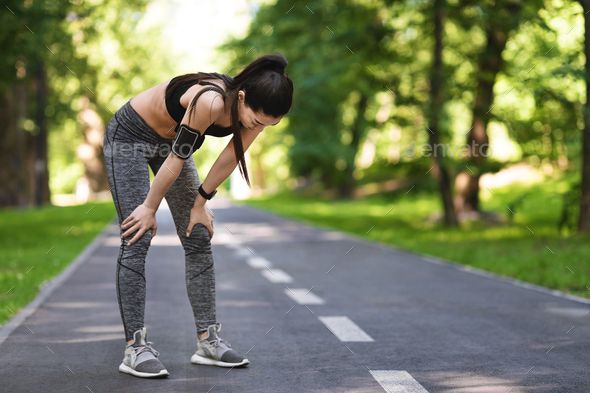
Breathing may be an automatic function of the body, but when it comes to endurance sports like running and swimming, how you breathe can significantly impact your performance, stamina, and recovery. For runners and swimmers alike, mastering the art of efficient breathing is a game-changer. In this article, we explore the best breathing techniques tailored specifically for runners and swimmers, helping you unlock better endurance, control, and overall physical efficiency.
Why Breathing Matters in Endurance Sports
While breathing seems like the simplest part of your workout, it’s often the most overlooked. Efficient breathing:
Enhances oxygen delivery to muscles
Improves cardiovascular performance
Reduces the risk of side stitches and cramps
Increases mental focus
Helps regulate heart rate under stress
Boosts recovery post-exercise
Whether you’re pounding the pavement or slicing through water, the right breathing technique supports your rhythm and overall movement.
Breathing Techniques for Runners
1. Rhythmic Breathing
Also known as patterned breathing, rhythmic breathing coordinates your breath with your foot strikes. A popular pattern is 3:2 breathing — inhale for three steps, exhale for two.
Benefits:
Reduces the impact on one side of the body
Distributes muscular stress
Helps maintain consistent pace
2. Belly (Diaphragmatic) Breathing
Instead of shallow chest breathing, runners are encouraged to use their diaphragm. This method allows deeper, fuller breaths and better oxygen exchange.
How to Practice:
Lie flat and place a hand on your stomach
Breathe in deeply through the nose so your belly rises
Exhale through the mouth and let the belly fall
Practice while walking, then incorporate it into your run
3. Nasal Breathing
Breathing through your nose can be challenging at first but is beneficial for steady-state runs. It filters air, regulates intake, and can improve lung capacity over time.
4. Breath Control Drills for Runners
Box breathing (Inhale 4 seconds – Hold 4 – Exhale 4 – Hold 4) before a run for focus
Controlled exhalation during intervals to avoid hyperventilation
Breathing Techniques for Swimmers
Breathing in water is a very different challenge, often dictating rhythm and performance. Swimmers must synchronize strokes with breathing while preventing water from entering the airways.
1. Bilateral Breathing
Breathing alternately on both sides (every 3rd or 5th stroke) balances body position and symmetry in freestyle swimming.
Benefits:
Improves technique and posture
Reduces over-reliance on one side
Helps maintain a streamlined form
2. Exhale Underwater
One of the most crucial techniques in swimming is continuous exhalation while the face is in the water, followed by a quick inhale during the stroke.
How to Practice:
Inhale quickly when you rotate your head
Exhale completely through your nose or mouth while submerged
Avoid holding your breath – this builds CO2 and causes fatigue
3. Timing and Breath Control
Each stroke (freestyle, breaststroke, butterfly) has unique breathing timing:
Freestyle: inhale every 3–5 strokes
Breaststroke: inhale during the stroke’s pull phase
Butterfly: breathe every stroke or every other, based on intensity
4. Breath Holding & Hypoxic Training
Swimmers often train to tolerate lower oxygen levels using hypoxic sets (e.g., swimming a lap while breathing every 5 or 7 strokes). This trains lung efficiency and mental resilience but must be done under supervision.
Common Mistakes and How to Avoid Them
For Runners:
Mouth breathing only: leads to shallow breaths — combine nose and mouth breathing for better oxygenation
Irregular patterns: can disrupt rhythm — adopt consistent breathing patterns
Overstriding: increases exertion — maintain a natural pace
For Swimmers:
Holding breath underwater: increases CO2, leading to panic — always exhale underwater
Lifting head too high: disrupts alignment — rotate head minimally to breathe
Breathing too late: causes rushed inhales — coordinate breath with stroke timing
Training Tips to Improve Breathing
Yoga & Pranayama
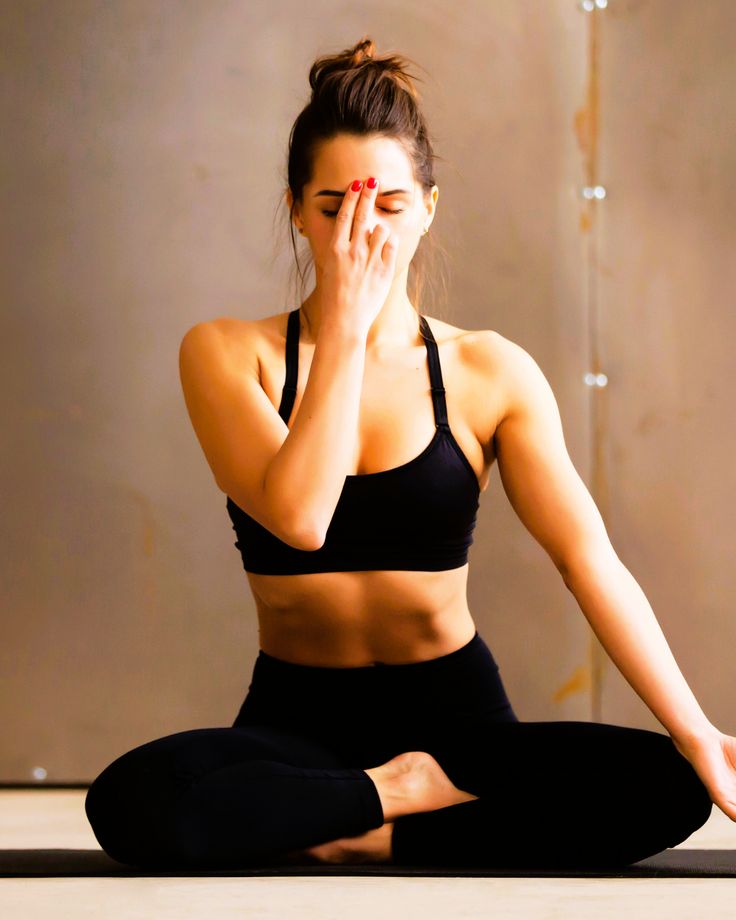
Yoga breathing exercises like Anulom-Vilom, Kapalabhati, and Ujjayi enhance lung function, control, and mindfulness — beneficial for both swimmers and runners.
Strengthening Respiratory Muscles
Incorporate breathing resistance devices or practice pursed-lip breathing to build endurance.
HIIT Workouts
High-Intensity Interval Training helps condition the lungs to handle rapid breathing under stress.