





Introduction: Why Breathing Matters
In the fast-paced rhythm of modern life, stress and anxiety have become constant companions for many. While medication, therapy, and lifestyle changes help, one of the most powerful—and often overlooked—tools for managing mental health lies within us: our breath.
Breathing is not just a survival function; it’s a bridge between the mind and body. Learning to control your breath can calm your nervous system, reduce anxiety, improve sleep, and boost overall well-being.
How Breathing Affects the Mind and Body
When you’re anxious or stressed, your body goes into “fight or flight” mode. This causes shallow, rapid breathing which further signals the brain that you’re in danger. This feedback loop intensifies anxiety symptoms like:
Racing heart
Tight chest
Dizziness
Muscle tension
But here’s the good news: you can interrupt this loop through conscious breathing techniques. By breathing slowly and deeply, you activate your parasympathetic nervous system—your body’s natural relaxation response.
Benefits of Breathing Techniques for Stress Relief
✔ Reduces cortisol levels (stress hormone)
✔ Lowers heart rate and blood pressure
✔ Enhances mental clarity and focus
✔ Improves mood and emotional regulation
✔ Promotes restful sleep
✔ Boosts immunity over time
Popular Breathing Techniques for Anxiety & Stress Relief
1. Box Breathing (4-4-4-4)
A simple and powerful technique used by Navy SEALs and athletes.
Steps:
Inhale for 4 seconds
Hold for 4 seconds
Exhale for 4 seconds
Hold for 4 seconds
Repeat 4–6 times.
2. 4-7-8 Breathing
Great for falling asleep or calming nerves.
Steps:
Inhale through your nose for 4 seconds
Hold the breath for 7 seconds
Exhale slowly through the mouth for 8 seconds
Do this for 3–4 rounds.
3. Diaphragmatic (Belly) Breathing
Encourages full oxygen exchange and activates relaxation.
Steps:
Sit or lie down comfortably
Place one hand on your belly, one on your chest
Inhale deeply through the nose, letting the belly rise
Exhale slowly through the mouth
Practice for 5–10 minutes daily.
4. Alternate Nostril Breathing (Nadi Shodhana)
A yogic practice that balances the nervous system.
Steps:
Close the right nostril, inhale through the left
Close the left, exhale through the right
Inhale through the right, exhale through the left
Continue for 1–2 minutes.
When to Practice Breathing Techniques
🕒 Morning – to start your day with calm and clarity
🕒 During work breaks – to reset your mind and reduce tension
🕒 Before sleep – to help transition into restful sleep
🕒 During anxiety attacks – to regain control and ground yourself
🕒 Before public speaking or stressful events – to stay composed
Breathing + Mindfulness = Superpower
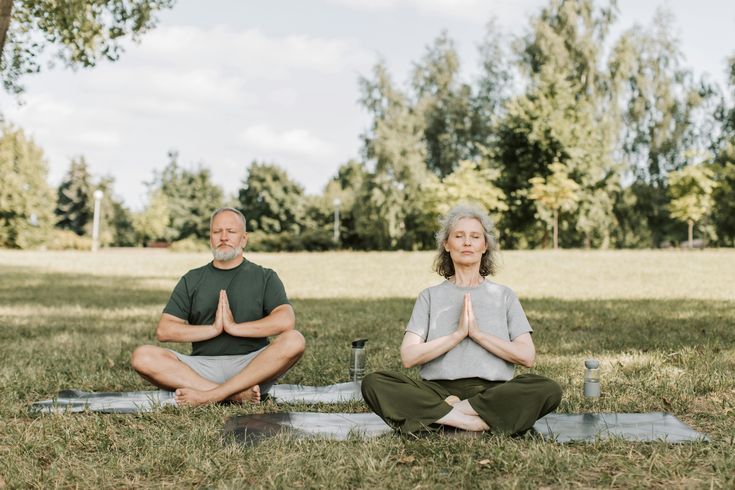
Combining breathing with mindfulness or meditation magnifies the benefits. Focusing on your breath helps anchor you to the present moment, keeping worries and racing thoughts at bay. You don’t need hours—a few mindful breaths a day can change how you respond to stress.
Scientific Backing
Harvard Health notes that slow breathing stimulates the vagus nerve, reducing anxiety.
Studies in the Journal of Clinical Psychology show that regular breathing exercises significantly improve mood and resilience.
The American Institute of Stress recognizes controlled breathing as a first-line defense against anxiety and burnout.
Quick Grounding Exercise (Try Now!)
Sit up straight and close your eyes.
Inhale slowly for 4 seconds.
Hold for 2 seconds.
Exhale gently for 6 seconds.
Repeat 3 times.
Notice how your body feels—more at ease, more present.