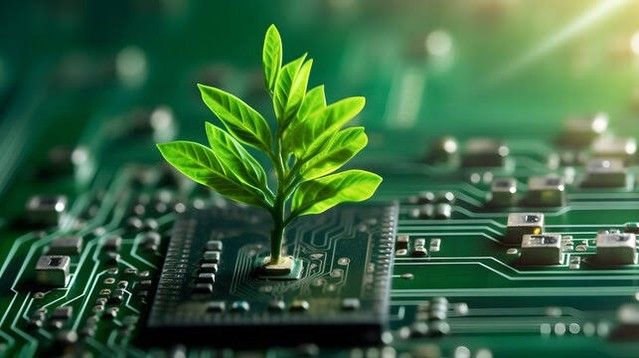






Biotechnology and health technology are rapidly evolving fields that are reshaping the way we approach health, medicine, and even our understanding of the human body. With groundbreaking advancements ranging from genetic engineering and personalized medicine to wearable health monitors and AI-powered diagnostics, these sectors are poised to revolutionize global healthcare in the 21st century.
This comprehensive guide explores how Biotech and Health Tech are transforming the healthcare landscape, improving patient outcomes, enabling earlier diagnoses, streamlining treatments, and ultimately extending human life.
🔬 What Is Biotechnology?
Biotechnology involves using living organisms, biological systems, or their derivatives to develop products and technologies for a range of applications. While its roots go back to ancient practices like fermentation, modern biotech has exploded in complexity and potential thanks to advances in molecular biology, genomics, and biochemical engineering.
Key areas of biotech include:
Genetic Engineering (CRISPR)
Biopharmaceuticals
Stem Cell Therapy
Synthetic Biology
Agricultural Biotechnology
In the health sector, biotech is vital for:
Developing vaccines and therapies
Designing personalized treatments
Curing genetic diseases
Creating lab-grown organs and tissues
💡 What Is Health Tech?
Health technology, or HealthTech, refers to the use of technology—especially digital tools and data—to improve the delivery, efficiency, and personalization of healthcare services. From mobile health apps and telemedicine platforms to robotic surgeries and AI diagnostics, HealthTech is making healthcare more accessible, efficient, and patient-centric.
Key innovations in HealthTech include:
Wearable Devices (e.g., smartwatches, ECG patches)
Remote Monitoring Systems
Telehealth Platforms
AI for Diagnostics & Imaging
Electronic Health Records (EHRs)
Digital Therapeutics (DTx)
🧪 Major Breakthroughs in Biotechnology
1. CRISPR and Gene Editing
The development of CRISPR-Cas9 gene-editing technology has been a landmark in biotechnology. It allows scientists to precisely modify DNA, offering hope for curing genetic disorders like sickle cell anemia, cystic fibrosis, and even certain cancers. This technology is also being explored to potentially eliminate inherited diseases before birth and improve crop resistance in agriculture.
2. Personalized Medicine
Biotech enables tailored treatment plans based on an individual’s genetic makeup, lifestyle, and environment. By analyzing DNA, doctors can predict how a patient will respond to certain medications or therapies, minimizing side effects and improving outcomes. This is particularly effective in oncology, where tumor DNA can guide treatment choices.
3. Regenerative Medicine and Stem Cells
Biotechnology is also leading advancements in regenerative medicine, which aims to repair or replace damaged tissues and organs. Stem cell therapy has shown promise in treating spinal cord injuries, heart diseases, and degenerative conditions like Parkinson’s. Research is also underway in creating lab-grown organs for transplantation, potentially ending donor shortages.
4. Biopharmaceuticals and Monoclonal Antibodies
Biotech companies are producing complex drugs made from living organisms, known as biopharmaceuticals. These include monoclonal antibodies, gene therapies, and immunotherapies, used to treat autoimmune disorders, cancers, and rare diseases. These drugs are often more targeted and effective than traditional small-molecule medications.
🧠 Key Innovations in Health Technology
1. AI and Machine Learning in Healthcare
Artificial Intelligence is transforming diagnostics, treatment recommendations, and patient care. AI algorithms can:
Detect cancers from radiology scans more accurately than human radiologists
Predict disease outbreaks using big data
Personalize drug prescriptions based on data analysis
2. Wearable Health Devices
Smartwatches and biosensors can now monitor vital signs in real-time—heart rate, oxygen levels, sleep quality, glucose levels, and more. Devices like Fitbit, Apple Watch, and continuous glucose monitors (CGMs) empower users to take control of their health while enabling doctors to monitor patients remotely.
3. Telemedicine and Virtual Care
Telehealth platforms enable patients to consult with healthcare providers remotely. This is especially useful for rural areas, elderly patients, and during pandemics. HealthTech companies are now integrating AI-driven chatbots, video consultations, and e-prescriptions to streamline virtual care.
4. Robotics and Minimally Invasive Surgery
Advanced surgical robots, like the Da Vinci Surgical System, allow for extremely precise procedures with minimal incisions. This results in faster recovery times, reduced hospital stays, and lower infection risks. Robotics is also being used in elder care and rehabilitation.
🌐 Biotech + Health Tech: The Convergence
Biotechnology and HealthTech are increasingly intersecting to create synergistic solutions. For example:
AI-guided gene editing
Wearables integrated with biotech-based biosensors
Digital platforms tracking stem cell therapy progress
Biotech data feeding real-time into health monitoring apps
This convergence is leading to hyper-personalized medicine, precision diagnostics, and early detection systems that can prevent diseases before they start.
🏥 Real-World Applications and Startups
Several companies are at the forefront of these innovations:
23andMe & AncestryDNA – Consumer DNA testing and personalized health insights
Moderna & BioNTech – mRNA vaccine developers for COVID-19
Grail – Blood tests for early cancer detection using genomic data
Tempus – AI-powered precision oncology tools
Butterfly Network – Portable ultrasound devices powered by AI
Zocdoc – Online healthcare appointment and consultation platform
⚖️ Challenges and Ethical Considerations
With great power comes great responsibility. Both biotech and health tech must navigate:
Privacy and data protection (especially with genetic data)
Ethical dilemmas in gene editing (e.g., designer babies)
AI transparency and accountability
Regulatory hurdles for new therapies
Access and affordability across global populations
The global health tech and biotech ecosystems must build equitable frameworks to ensure innovation benefits all segments of society, not just the privileged few.
🔮 The Future of Biotech & HealthTech
The next decade will see exponential growth in these sectors:
Lab-on-a-chip devices for real-time blood analysis
Digital twins that model your body for drug testing and diagnostics
Brain-computer interfaces for neurological conditions
Bioengineered tissues and 3D-printed organs
AI-powered home diagnostics and smart toilets
Together, biotechnology and health technology are poised to extend human life, enhance quality of care, and redefine our relationship with health and biology.