




What is Asthma?
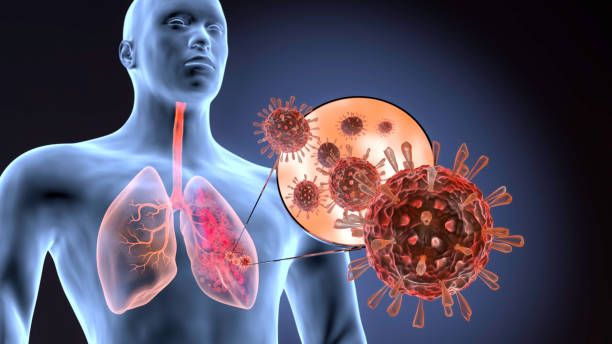
Asthma is a chronic respiratory condition that affects the airways in the lungs, causing them to become inflamed and narrowed. This makes it difficult to breathe and can lead to episodes of wheezing, coughing, chest tightness, and shortness of breath. Asthma in children is one of the most common long-term health conditions and can range from mild to severe.
Understanding Asthma in Children
Asthma can begin at any age, but it often starts in childhood. Children with asthma have sensitive airways that react to certain triggers like allergens, cold air, exercise, or infections. When exposed to these triggers, their airways swell, fill with mucus, and the surrounding muscles tighten, making it hard for air to move in and out of the lungs.
Causes and Triggers
While the exact cause of asthma isn’t fully understood, several factors contribute to its development in children:
1. Genetics
Children with a family history of asthma or allergies are more likely to develop asthma themselves.
2. Environmental Factors
Exposure to pollutants, cigarette smoke, dust mites, pet dander, mold, and cockroach droppings can increase the risk.
3. Respiratory Infections
Frequent respiratory infections during early childhood can damage the developing lungs and lead to asthma.
4. Allergens
Pollen, dust, animal fur, and certain foods can act as allergens that trigger asthma symptoms.
5. Weather Conditions
Cold air, sudden temperature changes, or high humidity can worsen asthma symptoms.
6. Exercise
Physical activity can sometimes trigger asthma, especially when the air is dry and cold.
Common Symptoms of Asthma in Kids
Recognizing asthma symptoms in children early is crucial for effective management. Symptoms may include:
Frequent coughing, especially at night
Wheezing or whistling sound when breathing
Shortness of breath
Tightness or pain in the chest
Fatigue during play or exercise
Trouble sleeping due to breathing issues
Rapid breathing
In some children, a persistent cough might be the only symptom, especially at night or after physical activity.
Diagnosing Asthma in Children
Diagnosing asthma in kids, especially under the age of 5, can be challenging. The pediatrician may:
Review the child’s medical history
Ask about family history of allergies or asthma
Conduct a physical exam
Use lung function tests (for children old enough to perform them)
Recommend allergy tests
Observe the child’s response to asthma medications
Asthma Management and Treatment
While asthma can’t be cured, it can be effectively managed. The goal is to keep symptoms under control, reduce flare-ups, and help the child lead a normal, active life.
1. Medications
There are two main types of asthma medications:
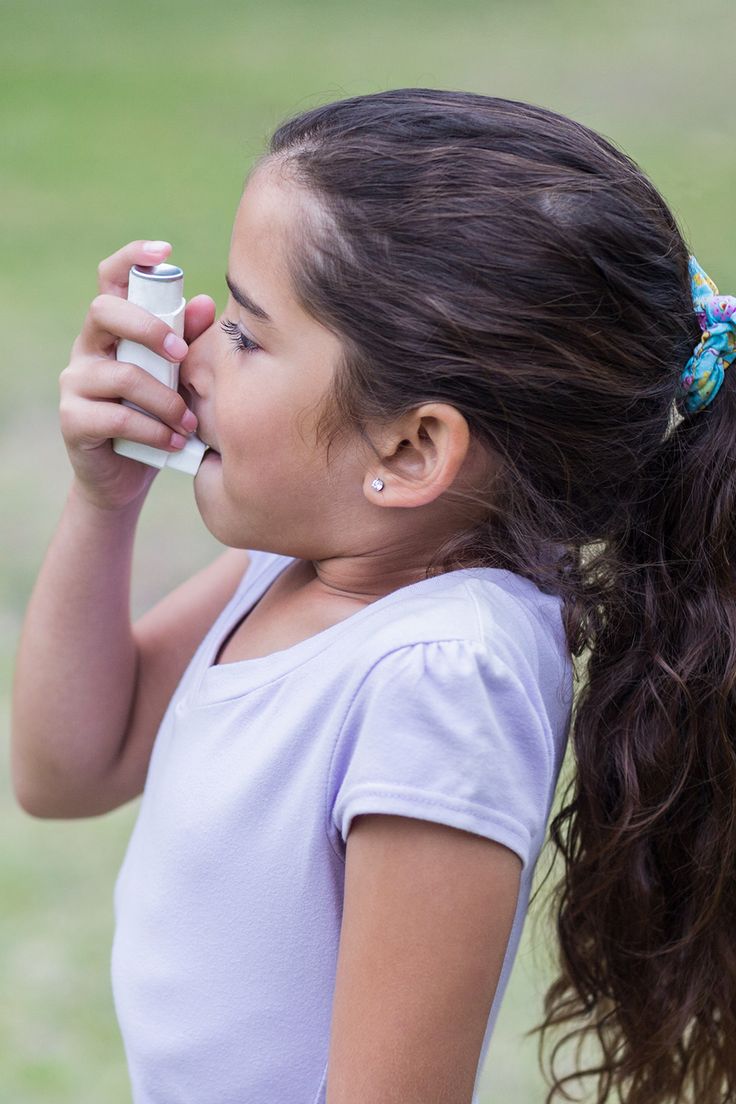
Quick-relief (rescue) medications: Like albuterol, used during an asthma attack to open airways quickly.
Long-term control medications: Such as inhaled corticosteroids, used daily to reduce inflammation and prevent symptoms.
2. Asthma Action Plan
An asthma action plan is a personalized plan that outlines:
Daily management strategies
How to identify worsening symptoms
What to do during an asthma attack
When to seek emergency help
3. Trigger Avoidance
Avoiding known asthma triggers is critical. This may include:
Using allergen-proof mattress covers
Keeping pets out of the child’s bedroom
Regularly cleaning and vacuuming the house
Avoiding exposure to smoke and pollution
Managing seasonal allergies
4. Monitoring and Follow-up
Regular follow-ups with the pediatrician or asthma specialist are essential to adjust medication doses and monitor lung function.
Asthma Emergencies: When to Seek Help
Call emergency services if your child:
Is struggling to breathe
Has bluish lips or fingernails
Has difficulty speaking
Doesn’t improve after using a rescue inhaler
Becomes lethargic or confused
Early recognition of asthma emergencies can save lives.
Living Well with Asthma
With the right treatment and precautions, children with asthma can live healthy, active lives. Encourage:
Regular physical activity (with medical guidance)
Adherence to the prescribed medication schedule
Open communication about symptoms and feelings
Emotional support to help them cope with any fears or limitations
Asthma doesn’t have to limit a child’s potential. With awareness, education, and the right care, your child can thrive.
Tips for Parents and Caregivers
Educate yourself about asthma and its management
Inform teachers, babysitters, and school nurses about your child’s condition
Ensure the child always has access to their inhaler
Teach the child to recognize symptoms early
Keep a symptom diary to track triggers and effectiveness of treatments