





Our lungs are vital organs that work tirelessly every moment to ensure our body receives the oxygen it needs. But in today’s world, exposure to pollutants, allergens, smoking, and unhealthy diets can cause inflammation in the lungs, which contributes to chronic respiratory conditions like asthma, COPD, and bronchitis. Thankfully, nature has provided us with an abundance of anti-inflammatory foods that can help support lung health and reduce inflammation.
Let’s explore how you can support your respiratory system naturally through diet.
🫁 What Is Lung Inflammation?
Lung inflammation is the body’s response to harmful stimuli such as pathogens, irritants, or toxins. While inflammation is a natural defense mechanism, chronic inflammation can damage lung tissue and make breathing difficult. Symptoms may include shortness of breath, wheezing, chest tightness, and fatigue.
🍎 How Diet Affects Lung Health
A diet rich in anti-inflammatory foods can help soothe irritated lung tissue, improve oxygen flow, and support immune defense. These foods work by reducing oxidative stress, neutralizing free radicals, and calming the immune system’s overactive response.
Let’s look at the top anti-inflammatory foods that can help protect and heal your lungs.
🥦 Top 12 Anti-Inflammatory Foods for Lungs
1. Turmeric
Turmeric contains curcumin, a powerful compound known for its anti-inflammatory and antioxidant properties. Curcumin helps reduce lung swelling and supports respiratory function. Add it to warm milk, soups, or smoothies for daily lung support.
2. Ginger
Ginger helps in clearing airways and reducing inflammation caused by allergies or infections. It also helps break down mucus and improves circulation in the lungs.
3. Garlic
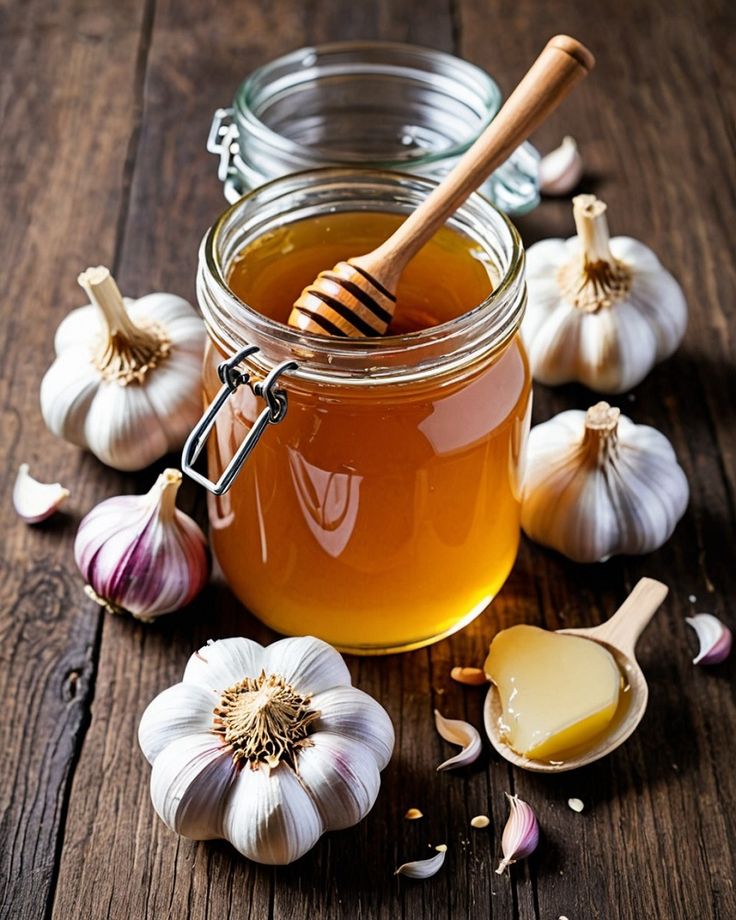
Garlic is known for its immune-boosting properties. It contains allicin, a compound that fights inflammation and acts as a natural antibiotic for the lungs.
4. Leafy Greens
Spinach, kale, and Swiss chard are packed with chlorophyll, antioxidants, and fiber. They help detoxify the lungs and reduce inflammation by fighting oxidative stress.
5. Berries
Blueberries, strawberries, raspberries, and blackberries are rich in antioxidants like anthocyanins. These compounds help neutralize harmful free radicals and reduce inflammation in lung tissue.
6. Fatty Fish
Salmon, sardines, and mackerel are rich in omega-3 fatty acids which are known to decrease the production of inflammatory compounds. They can reduce the symptoms of asthma and other chronic lung diseases.
7. Apples
Apples are high in quercetin, an antioxidant that helps regulate immune response and reduce lung inflammation. Studies suggest that people who eat apples regularly have better lung function.
8. Green Tea
Green tea is packed with polyphenols and antioxidants that can help reduce inflammation and improve lung elasticity. It also has antimicrobial properties.
9. Beets
Beets are rich in nitrates, which help open blood vessels, reduce blood pressure, and improve oxygen intake in the lungs. They are great for athletes and anyone seeking better respiratory performance.
10. Nuts and Seeds
Almonds, walnuts, flaxseeds, and chia seeds contain healthy fats and vitamin E, which protect lung cells from oxidative damage and support immune function.
11. Citrus Fruits
Oranges, lemons, limes, and grapefruits are high in vitamin C, which strengthens the immune system, protects against respiratory infections, and reduces inflammation in the airways.
12. Broccoli
This cruciferous vegetable contains sulforaphane, a compound that may help reduce lung inflammation and protect against diseases like asthma and COPD.
🥗 Sample Anti-Inflammatory Meal Plan for Lung Health
Breakfast:
Green tea
Oatmeal with blueberries and chia seeds
Lunch:
Grilled salmon with quinoa and steamed broccoli
Fresh orange slices
Snack:
Apple with almond butter
Dinner:
Ginger-garlic stir-fried spinach with brown rice
Beetroot salad
Before Bed:
Warm turmeric milk or herbal tea
🧘♀️ Lifestyle Tips to Support Lung Health
Stay Hydrated: Water helps thin mucus and keeps airways clear.
Avoid Smoking: Tobacco smoke severely inflames and damages lungs.
Exercise Regularly: Cardio activities like walking and swimming improve lung capacity.
Practice Deep Breathing: Yoga and breathing exercises enhance oxygen intake.
Limit Processed Foods: Processed foods trigger inflammation and suppress immune response.