Understanding Asthma & COPD: Why Breathing Exercises Help
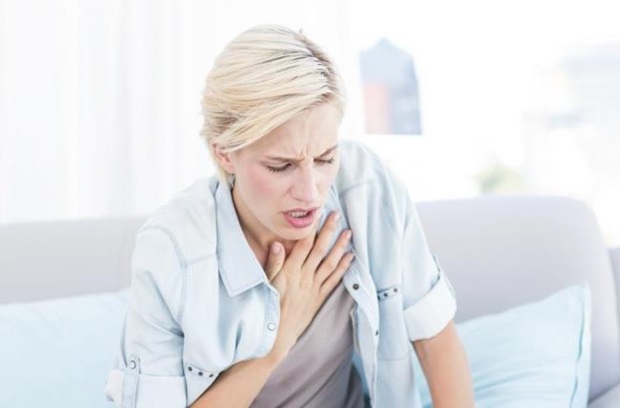
Chronic respiratory conditions like asthma and COPD (Chronic Obstructive Pulmonary Disease) affect millions worldwide, causing symptoms like:
Shortness of breath (dyspnea)
Wheezing and chest tightness
Chronic coughing
Reduced exercise tolerance
Medical research shows that targeted breathing exercises can:
✔ Reduce rescue inhaler use by up to 30% (European Respiratory Journal)
✔ Improve FEV1 scores (forced expiratory volume) by 15-25%
✔ Decrease hospital readmissions for COPD patients by 40%
✔ Enhance quality of life scores significantly
Top 7 Evidence-Based Breathing Exercises
1. Pursed-Lip Breathing (Gold Standard for COPD)
How to Do It:
Inhale slowly through nose for 2 seconds
Purse lips like whistling
Exhale slowly for 4-6 seconds (2-3x longer than inhale)
Proven Benefits:
Prevents air trapping in lungs
Reduces dynamic hyperinflation
Improves oxygen saturation by 3-5%
2. Diaphragmatic Breathing (Belly Breathing)
Technique:
Place hand on belly, other on chest
Inhale deeply through nose → belly rises
Exhale fully → belly falls inward
Chest should remain still
Clinical Benefits:
Strengthens diaphragm muscle
Increases tidal volume by 20%
Reduces respiratory rate from 15→8 breaths/min
3. Buteyko Method (For Asthma Control)
Key Exercises:
Control Pause: Exhale → hold breath until first urge to inhale
Reduced Breathing: Shallow breaths through nose
Walking Breath Holds: Gentle breath retention while walking
Research Findings:
Decreases asthma symptoms by 70%
Reduces bronchodilator use by 50%
Improves bronchial hyperresponsiveness
4. Active Cycle of Breathing (ACBT)
Three Phases:
Breathing Control: Relaxed diaphragmatic breathing
Thoracic Expansion: Deep breaths with hold
Forced Expiration: Huff coughing to clear mucus
Best For:
COPD patients with chronic mucus
Post-operative lung expansion
Preventing atelectasis
5. Inspiratory Muscle Training (IMT)
Using Devices Like:
POWERbreathe
Ultrabreathe
Threshold IMT
Protocol:
30 breaths daily at 30-50% max pressure
Gradually increase resistance
Documented Results:
Increases inspiratory strength by 35%
Improves 6-minute walk distance
Reduces dyspnea scores
6. Yoga Pranayama Techniques
Most Effective Methods:
Bhramari (Bee Breath): Humming exhalations
Ujjayi (Ocean Breath): Constricted throat breathing
Nadi Shodhana: Alternate nostril breathing
Study Outcomes:
Improves FEV1/FVC ratio
Enhances exercise tolerance
Lowers inflammatory markers
7. PEP Therapy (Positive Expiratory Pressure)
Devices Used:
Acapella
Flutter
Cornet
How It Works:
Breathe in normally
Exhale against resistance
Creates backpressure to open airways
Clinical Advantages:
Clears mucus plugs
Prevents alveolar collapse
Improves gas exchange
Customized Exercise Plans
For Asthma Patients
Morning Routine:
Buteyko Control Pause (5 reps)
Diaphragmatic breathing (5 mins)
Bhramari pranayama (3 mins)
Before Exercise:
Pursed-lip breathing warm-up
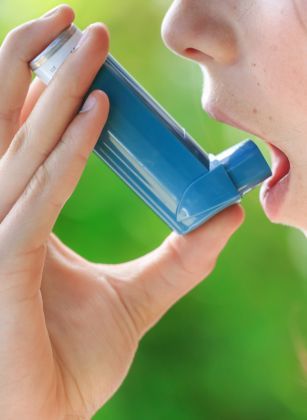
Pepper spray inhaler as needed
For COPD Patients
Daily Protocol:
ACBT cycle (10 mins)
IMT training (5 mins)
Walking with pursed-lip breathing
During Flare-ups:
Forward-leaning position
Prolonged exhale breathing
PEP device if prescribed
Scientific Evidence & Clinical Studies
Key Research Findings
GOLD Guidelines 2024: Recommends breathing exercises as Grade A treatment for COPD
Cochrane Review: Shows 36% reduction in exacerbations with daily breathing exercises
American Thoracic Society: Confirms improved quality of life in asthma patients
Mechanisms of Action
Reduces Airway Resistance
Improves Mucociliary Clearance
Enhances Respiratory Muscle Efficiency
Optimizes Ventilation-Perfusion Ratio
Safety Precautions & Contraindications
When to Avoid Certain Exercises
❌ Breath-holding during acute asthma attacks
❌ Forced expiration with active hemoptysis
❌ High-resistance IMT for severe pulmonary hypertension
Warning Signs to Stop
Dizziness or lightheadedness
Chest pain or palpitations
SpO2 drops below 88%
Integrating with Medical Treatment
With Inhalers & Medications
30-minute gap after bronchodilators
Peak flow monitoring before/after
Pulmonary rehab coordination
With Oxygen Therapy
Adjust techniques for nasal cannula
Monitor oxygen saturation closely
Avoid breath holds on high-flow O2