Introduction
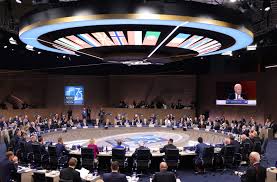
The world is constantly shifting, and with this change comes a complex web of political, economic, and social issues. Diplomatic crises have a profound impact on international relations, often leading to long-term consequences that affect global security, trade, and governance. From military confrontations to economic sanctions and ideological clashes, diplomatic crises can rapidly escalate, causing widespread instability.
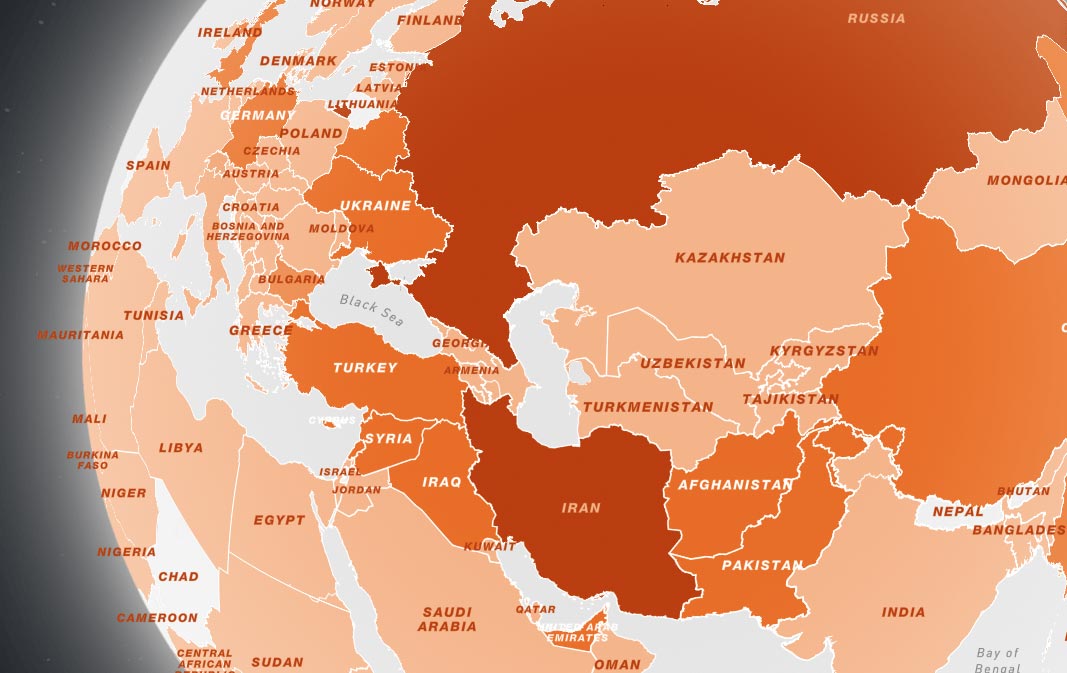
This tracker offers a comprehensive overview of current diplomatic crises around the globe, tracking key events and analyzing their potential impact on regional and global stability.
Russia-Ukraine Conflict: A Deepening Geopolitical Divide
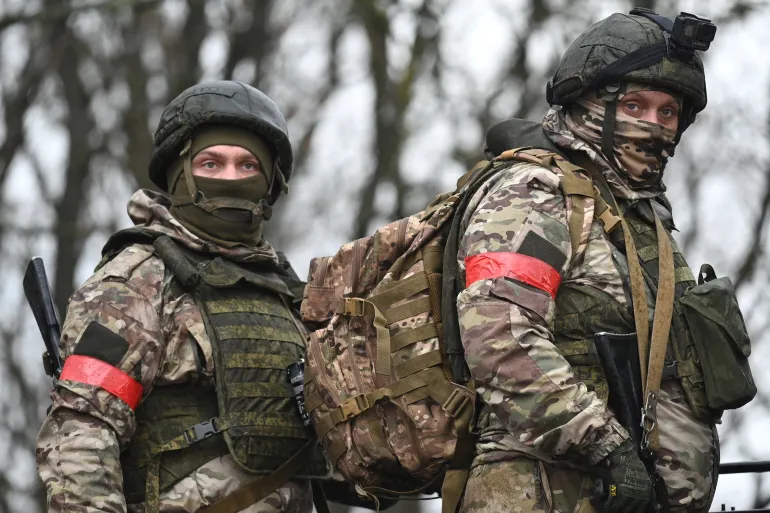
Since the beginning of the Russia-Ukraine war in 2022, the international community has witnessed a dramatic shift in geopolitics. The war has not only created a massive humanitarian crisis but has also redefined power structures in Europe and beyond. NATO’s role in supporting Ukraine, particularly through arms supplies and military exercises, has intensified tensions with Russia, which sees the alliance’s expansion as a direct threat to its sphere of influence.
Key Developments:
The United States and the European Union have imposed strict sanctions on Russia, targeting its economy, energy exports, and high-ranking officials.
NATO has increased its presence in Eastern Europe, particularly in the Baltic States, to counter Russian aggression.
The global energy market has been deeply affected, with Russia cutting gas supplies to Europe in retaliation for sanctions.
Impact:
This ongoing conflict has far-reaching consequences, not only for the region but for global security and economics. The energy crisis, rising food prices, and potential spillover into neighboring countries are significant risks that could alter the balance of power on the continent.
South China Sea Tensions: Strategic Competition in the Indo-Pacific
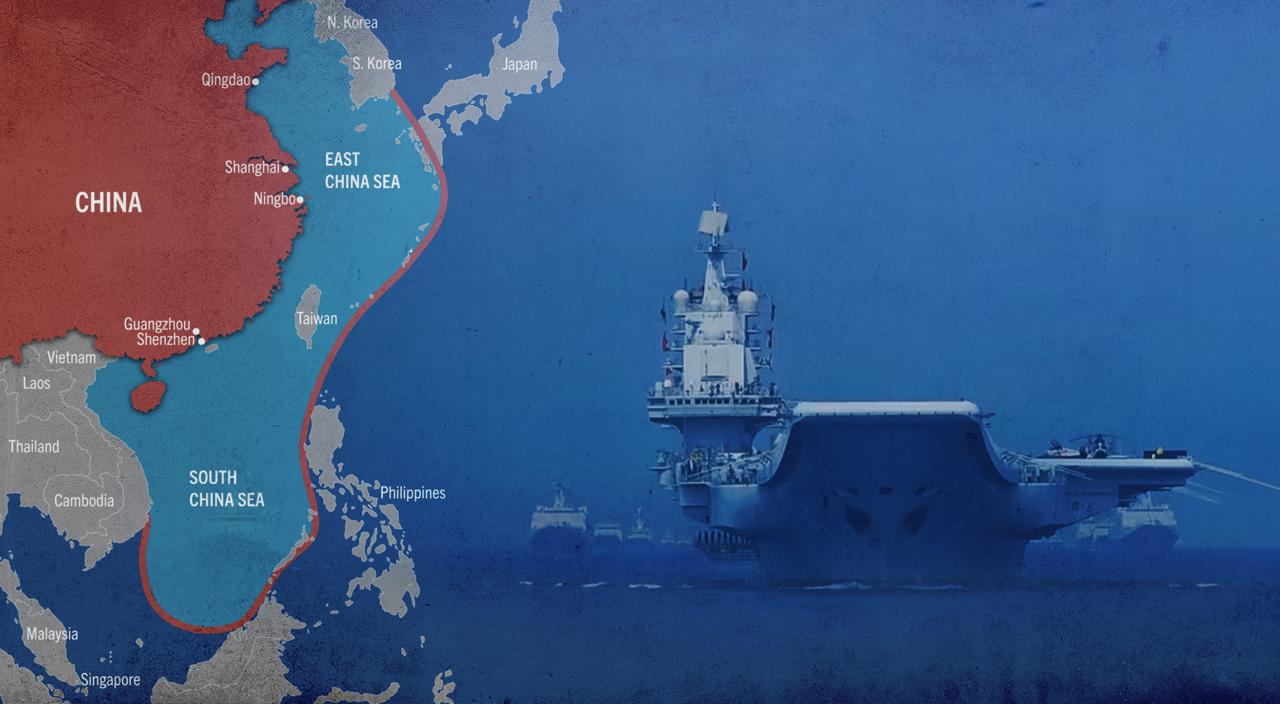
The South China Sea is another region fraught with diplomatic tensions. The area is a critical shipping route, rich in natural resources, and claimed by multiple nations, including China, the Philippines, Vietnam, Malaysia, and Brunei. China’s aggressive expansion and militarization of disputed territories have led to frequent confrontations with other claimants and a growing involvement of external powers, including the United States.
Key Developments:
China has constructed military facilities on artificial islands in the South China Sea, despite objections from neighboring countries and international legal rulings.
The United States, Japan, Australia, and other nations have conducted freedom of navigation operations to challenge China’s claims and ensure unimpeded access to international waters.
Tensions have escalated between China and the Philippines, particularly after several naval skirmishes in contested waters.
Impact:
The South China Sea dispute has implications not just for regional security but also for global trade and naval power dynamics. With growing U.S.-China competition, this conflict could shape future international maritime laws and potentially lead to military confrontations.
Middle East: Shifting Alliances and Regional Realignments
The Middle East remains a hotbed of diplomatic crises, driven by long-standing conflicts, ideological divides, and shifting alliances. Key issues include the Iran nuclear deal, the ongoing Israeli-Palestinian conflict, and tensions surrounding the Syrian Civil War.
Key Developments:
Iran’s nuclear ambitions continue to stir tensions with the West, particularly the United States and Israel, as Tehran pushes to advance its nuclear program amid stalled international negotiations.
The Saudi-Iran rivalry has led to proxy conflicts throughout the region, particularly in Yemen, Syria, and Iraq.
The Abraham Accords, which normalized relations between Israel and several Arab states, have reshaped Middle Eastern alliances but also deepened divisions between Israel and the Palestinians.
Impact:
The Middle East’s complex geopolitical dynamics often lead to unpredictable escalations. The regional arms race, growing involvement of external powers like Russia and the U.S., and the rise of non-state actors pose ongoing challenges to stability.
North Korea: A Nuclear Standoff in East Asia
North Korea’s continued development of nuclear weapons and missile technology remains a major diplomatic challenge, particularly for the United States, South Korea, Japan, and China. The ongoing deadlock in negotiations and North Korea’s defiance of international sanctions have led to a sense of frustration and helplessness in diplomatic circles.
Key Developments:
North Korea has conducted numerous missile tests, claiming technological advancements in nuclear-capable weapons, raising alarm in neighboring countries.
Diplomatic efforts, including the denuclearization talks, have stalled, with North Korea demanding security guarantees in exchange for disarmament.
The U.S. and South Korea continue to maintain a strong military presence on the Korean Peninsula, increasing tensions with the North.
Impact:
The risk of military conflict in the Korean Peninsula remains high, with potential nuclear escalation being a significant concern. The ongoing crisis also affects broader regional security and the effectiveness of international non-proliferation efforts.
The Iran Nuclear Deal: A Deadly Game of Diplomacy
The Joint Comprehensive Plan of Action (JCPOA), commonly known as the Iran Nuclear Deal, was signed in 2015 as an agreement between Iran and several world powers to curb Iran’s nuclear program in exchange for sanctions relief. However, the 2018 U.S. withdrawal from the deal under President Trump, followed by Iran’s gradual violations of the agreement, has led to a major diplomatic impasse.
Key Developments:
Iran has resumed uranium enrichment activities and has restricted access to IAEA inspectors, signaling a shift away from its nuclear commitments.
Talks to revive the JCPOA have stalled, with both sides accusing each other of bad faith negotiations.
The U.S. and European allies are considering new sanctions and diplomatic pressure to curb Iran’s nuclear ambitions.
Impact:
The potential for a nuclear-armed Iran is a primary concern for Israel, Saudi Arabia, and other regional actors. A breakdown of the JCPOA could lead to regional instability, a renewed arms race, and a possible military confrontation in the Middle East.
Diplomatic Strategies and Global Stability
As we track these global diplomatic crises, it is essential to recognize the strategies employed by nations and international organizations. Some of the primary diplomatic tools include:
Sanctions and Economic Pressures: Countries often use sanctions to deter actions that threaten regional stability or international law. However, these measures can also backfire, hurting civilian populations and exacerbating conflicts.
Mediation and Peace Talks: International organizations, such as the United Nations, often step in to mediate peace talks and ceasefire agreements. The effectiveness of these talks, however, is limited by the willingness of parties to negotiate in good faith.
Military Alliances and Intervention: NATO, the United Nations Peacekeeping forces, and regional organizations play critical roles in intervening diplomatically or militarily in crisis zones. The balance between military action and diplomacy often defines the outcomes of these conflicts.